Drone Attacks Put Russian Oil Infrastructure Risk Back in Market Focus
Fires reported near oil facilities in Rostov and Tatarstan renew investor scrutiny of Russian energy supply and transport risks.
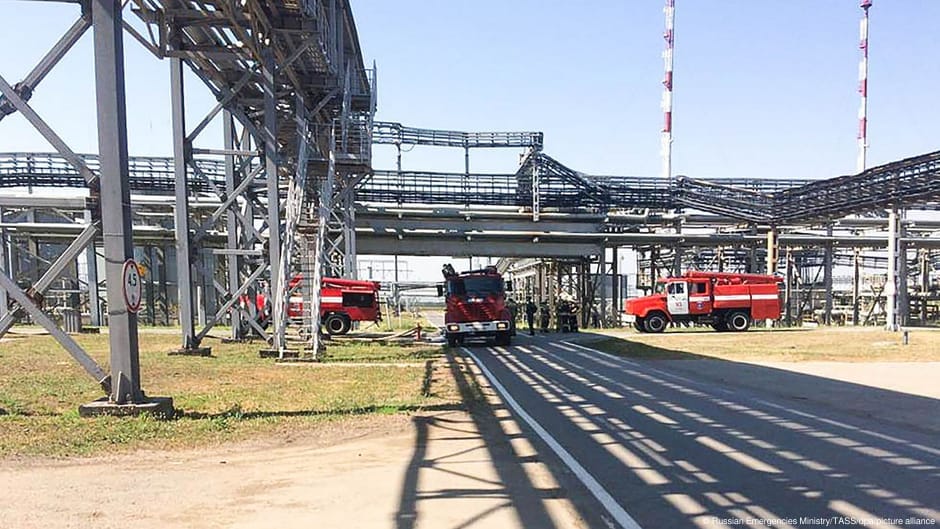
A large fire broke out near oil-related facilities in Novoshakhtinsk in Russia’s Rostov region after Ukrainian drones attacked the area for several hours overnight into Monday, Nov. 23, according to an open-source intelligence analysis by the Russian outlet Astra.
The reported incident places renewed attention on the operational risks facing Russian refining, storage and fuel logistics assets. For capital-markets investors, attacks on energy infrastructure can influence expectations for refinery throughput, domestic fuel availability, crude-export flows and the financial performance of companies connected to Russia’s oil sector.
Astra said it analyzed videos recorded by local residents and geolocated the fire to an area around the Novoshakhtinsk petroleum products plant and a company engaged in fuel trading, storage and logistics. The publication identified the facilities as the Novoshakhtinsk Oil Products Plant, known by its Russian abbreviation NZNP, and TATA-GAZ LLC.
NZNP is an oil-refining enterprise connected to the Sukhodolnaya-Rodionovskaya pipeline, according to the report. The source article did not provide information about damage, casualties, production disruptions or the duration of the fire. It also did not cite an immediate reaction in equities, bonds, oil prices or foreign-exchange markets.
Pipeline Reports Add to Supply-Risk Questions
A separate possible strike was reported in Tatarstan, widening the focus from refining and fuel logistics to crude-oil transportation infrastructure. Astra reported that a drone alert was declared in Almetyevsk at midnight on Nov. 23.
A local resident told the publication there had been a “powerful impact” and several hits on “Druzhba.” Astra suggested the account could refer to the Kaleykino oil pumping station, located in the village of the same name. The station is one of the nodes supplying crude oil to the Druzhba pipeline.
Confirmation of a strike on the Kaleykino pumping station was not available when the original report was published.
Ukrainian monitoring channels Exilenova+ and Supernova+ published video that they said showed a fire at the station. Those posts do not by themselves establish the location, cause or extent of any damage, and the reported incident remained unconfirmed at the time of publication.
The distinction is material for investors. A temporary fire without significant equipment damage would generally present a different operational risk from a verified outage at a pumping station feeding a major pipeline. Until operators or authorities provide details, it is not possible to determine whether crude flows, refinery activity or fuel deliveries were affected.
Investors Watch for Operational Disruption
The immediate market relevance centers on whether the incidents caused measurable reductions in refining capacity or pipeline throughput. Evidence of sustained disruption could add a risk premium to exposed energy assets, while a rapid return to normal operations would limit the fundamental effect.
Equity investors are likely to focus on potential repair costs, lost processing volumes and interruptions to fuel sales. Bondholders may pay closer attention to liquidity, insurance coverage and the capacity of affected businesses to absorb repeated operational shocks. However, the source report contained no financial disclosures from the companies involved and no assessment of damage sufficient to quantify those risks.
The Kaleykino station has reportedly faced drone attacks before. Astra said the facility caught fire after a drone strike in February 2026 and was most recently targeted overnight into Nov. 19. The recurrence of reported attacks may reinforce market concerns about the vulnerability of fixed oil infrastructure, even when individual incidents do not result in lasting supply losses.
Repeated disruptions can also affect investor assumptions beyond the directly targeted assets. Refining outages may alter domestic product balances, while damage to pumping infrastructure can complicate crude routing and export logistics. The scale of any market impact depends on verified outages, available spare capacity and the ability to redirect flows—details that were not available in the source material.
For now, the reports represent an infrastructure-risk signal rather than confirmed evidence of a broader oil-supply interruption. Investors will be looking for official statements, satellite imagery, operator updates and pipeline-flow data to determine whether the fires had a material effect on output or transportation.
Without such confirmation, any conclusions about energy prices, Russian oil-linked securities or regional supply conditions remain provisional. The central issue for markets is whether the reported attacks caused physical damage substantial enough to constrain operations, rather than the occurrence of fire alone.



