EU Extends Ukraine Training Mission With Nearly €300 Million Budget
The two-year extension reinforces Europe’s long-term defense commitments as investors assess fiscal spending and security risks.
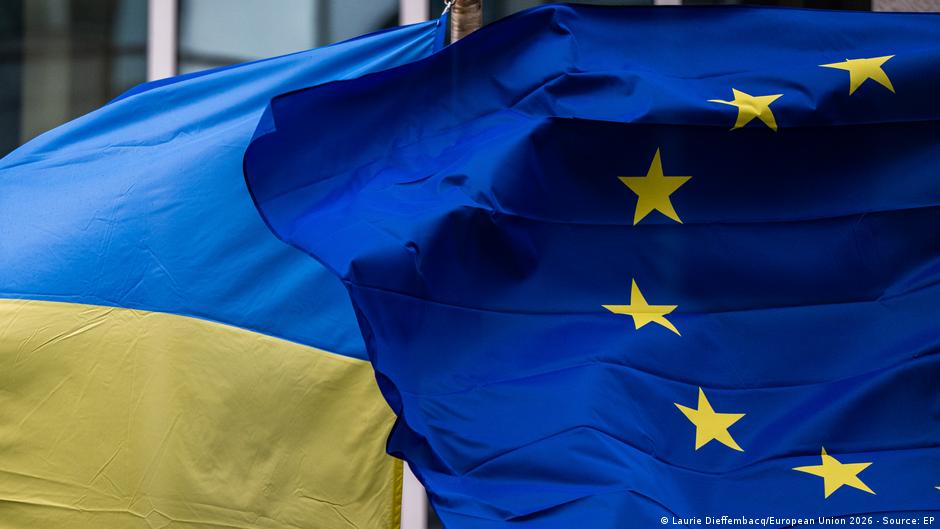
The European Union has extended its military training mission for Ukraine by two years and allocated nearly €300 million to the program, reinforcing a long-term defense commitment that remains relevant to investors tracking European budgets, defense equities and regional risk.
The Council of the European Union renewed the mandate of the EU Military Assistance Mission in support of Ukraine, known as EUMAM Ukraine, through Nov. 15, 2028. The decision, announced in a Council press release published Monday, Nov. 9, also provides for the creation of a mission office in Ukraine to improve coordination with the country’s authorities and armed forces.
More than 100,000 Ukrainian service members have been trained in EU countries under the mission since it was established in October 2022 at Kyiv’s request. EUMAM was created to strengthen Ukraine’s military capacity to defend its territorial integrity and sovereignty and protect civilians against Russia’s armed aggression.
Long-Term Spending Signal for Defense Markets
For capital markets, the extension adds another element of visibility to Europe’s multiyear defense commitments. The nearly €300 million mission budget is limited relative to the bloc’s broader public finances, but the two-year mandate signals that military training, coordination and operational support will remain embedded in EU spending plans.
That continuity is pertinent for investors in European defense companies and their supply chains, particularly as governments fund weapons, ammunition and joint procurement alongside training. The decision may support expectations of sustained public-sector demand, although the announcement does not identify individual contractors or specify purchases linked to the mission.
The mission’s scope will be expanded to emphasize lessons learned from combat operations and to strengthen military training in support of Ukraine’s defense capabilities. EUMAM will also continue working with partner countries outside the EU, including the United States, the United Kingdom, Canada and Norway, as well as NATO and the international Coalition of the Willing.
The extension gives investors another indication that European security spending is being planned across several years rather than treated solely as a short-term emergency response.
For sovereign-bond investors, the immediate fiscal effect of the mission’s nearly €300 million budget is modest. The broader significance lies in the accumulation of defense-related commitments across EU institutions and member states. Continued military assistance, weapons reimbursement and joint procurement can influence national borrowing requirements and the composition of public expenditure, especially where governments are already balancing security needs against other budget priorities.
Billions in Related EU Funding
The EUMAM extension follows movement on substantially larger pools of European support. In late September, EU foreign policy chief Kaja Kallas said member states had agreed to unblock €6.6 billion from the European Peace Facility after Hungary had vetoed the release of the funds since 2023.
Of that amount, €4.7 billion is designated to reimburse EU countries for weapons and ammunition already supplied to Ukraine. A further €1 billion is intended for joint purchases of new weapons, while €900 million is allocated to finance EUMAM. Those sums provide a wider frame for investors assessing the pace and direction of European defense expenditure.
On Nov. 5, the European Commission transferred €4.36 billion to Kyiv under the Ukraine Support Loan program. That payment included €658 million earmarked for Ukraine’s defense needs. The combination of lending, reimbursements and mission funding illustrates the multiple channels through which European institutions are supporting Ukraine.
Equity investors may view the joint-procurement allocation as the component with the clearest potential connection to defense manufacturers, while reimbursements could help member states absorb costs for equipment already delivered. The source announcement, however, provides no breakdown by company, security type or national market, limiting the basis for attributing a specific share-price reaction to the measures.
Security Risk Remains Central to Valuations
The policy decision comes as European countries deepen coordination over Ukraine’s longer-term security. On Nov. 9, the first joint military exercises involving members of the Coalition of the Willing began in Poland under French and British leadership.
About 2,800 military personnel from 11 countries, including Germany, are participating. The exercises are intended to test mechanisms for providing Ukraine with long-term security after the war and are scheduled to continue through Nov. 22.
For investors, the combined developments reinforce two competing considerations. Sustained defense commitments can provide multiyear demand visibility for military suppliers and related industries. At the same time, the continuing requirement for training, exercises and security funding underscores the geopolitical uncertainty that can affect European equities, currencies, energy markets and sovereign risk premiums.
The extension does not by itself alter the near-term outlook for those asset classes. It does, however, confirm that EU institutions are budgeting for military support through late 2028, a horizon that investors can incorporate into assessments of defense-sector revenues, government spending pressures and the persistence of regional security risk.



