France-Taliban Migrant Talks Add Political Risk to Investor Outlook
Technical negotiations on Afghan deportations raise human-rights and policy concerns without signaling formal recognition of Taliban rule.
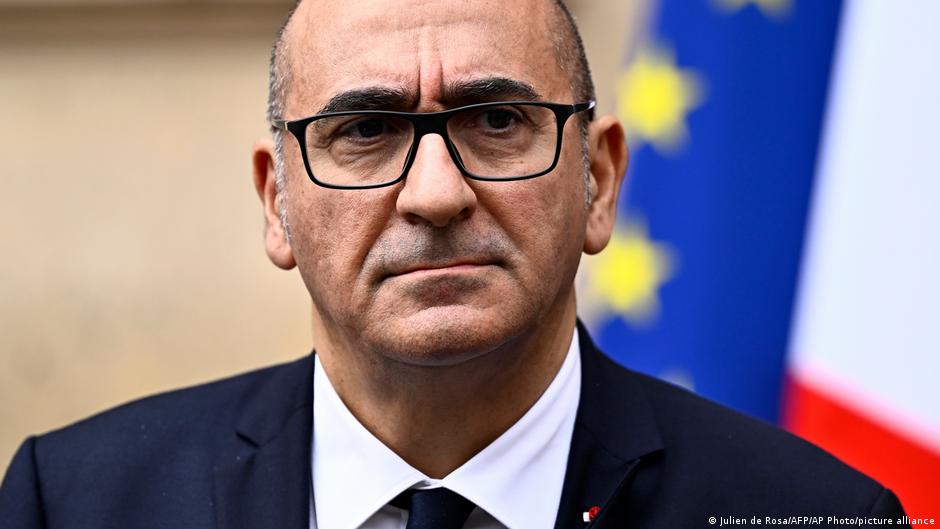
France is holding technical talks with representatives of the Taliban over the possible return of some Afghan migrants who lack legal residency, opening a politically sensitive policy channel despite Paris having no diplomatic relations with the authorities in Kabul.
French Interior Minister Laurent Nuñez disclosed the discussions during an appearance in parliament on Monday, November 2. He said the government was seeking a mechanism to return a certain number of Afghans who are living in France illegally and characterized the contacts as technical rather than diplomatic.
“We are trying to secure the possibility of returning a certain number of Afghans who are in the country illegally. These are technical discussions,” Nuñez said, according to AFP.
The minister added that other European countries, including Germany, maintain similar contacts with the Taliban. France does not formally recognize the Taliban government established after the movement returned to power in 2021 and has no diplomatic relations with it.
Policy Risk Enters the Investor Calculus
The talks do not, by themselves, constitute a direct catalyst for French equities or sovereign bonds. They nevertheless add another politically charged issue to the broader risk assessment facing investors in France and Europe. Migration policy can influence parliamentary stability, relations among EU governments and the domestic debate over public security, human rights and the limits of engagement with unrecognized regimes.
For capital markets, the immediate relevance lies less in the number of prospective deportations than in the potential for political confrontation. Opposition criticism could increase scrutiny of the government’s immigration agenda, while coordination among European states may bring the issue onto the EU policy calendar. Investors in French assets typically monitor such disputes for signs that they could complicate legislative priorities or deepen political fragmentation.
No specific reaction in French equities or bonds was reported in connection with Nuñez’s remarks. The development is therefore best viewed as a policy-risk signal rather than evidence of a change in market pricing. Its financial significance would increase if the negotiations developed into a broader diplomatic shift, triggered a sustained parliamentary dispute or produced disagreements among EU members.
France is among roughly 20 EU countries, including Germany, Belgium and Sweden, seeking to accelerate the return of Afghan citizens, particularly people convicted of crimes, according to AFP. Nuñez said some Afghans in France may pose a threat to public order, making their deportation a government priority.
Opposition Warns of Taliban Normalization
The negotiations drew criticism from the opposition. Léa Balage El Mariky, a lawmaker from the Ecologists party, accused the French government of beginning a normalization of diplomatic relations with the Taliban regime. She said the movement commits crimes against humanity through a policy described as “gender apartheid.”
The dispute highlights the tension between the government’s public-order objectives and the legal and reputational risks associated with engagement with the Taliban. France is attempting to distinguish operational contacts concerning removals from formal recognition, but critics argue that even technical negotiations could confer legitimacy on Kabul’s rulers.
Human-rights concerns also create potential obstacles. In September, UN High Commissioner for Human Rights Volker Türk called for an end to forced returns to Afghanistan, citing the continuing humanitarian crisis and deterioration in the country’s human-rights situation.
Since returning to power, the Taliban has imposed a series of restrictions on women and girls, including bans preventing most of them from receiving secondary and higher education. The International Criminal Court has previously issued arrest warrants for several senior Taliban representatives over allegations of crimes against humanity connected to the persecution of women and girls.
For investors, the episode underscores how migration, security and foreign policy are becoming increasingly intertwined across Europe. The near-term market effect appears limited, but the talks could contribute to political volatility if they intensify opposition pressure or expose divisions over whether deportation goals justify direct dealings with the Taliban. French stocks and government bonds are more likely to respond materially only if the controversy begins to affect government cohesion, fiscal decision-making or wider EU coordination.



