Kallas Sees No Russian Peace Signal as Investors Weigh Geopolitical Risk
The EU foreign policy chief called for greater pressure on Moscow after a G20 meeting that offered no indication of progress toward peace.
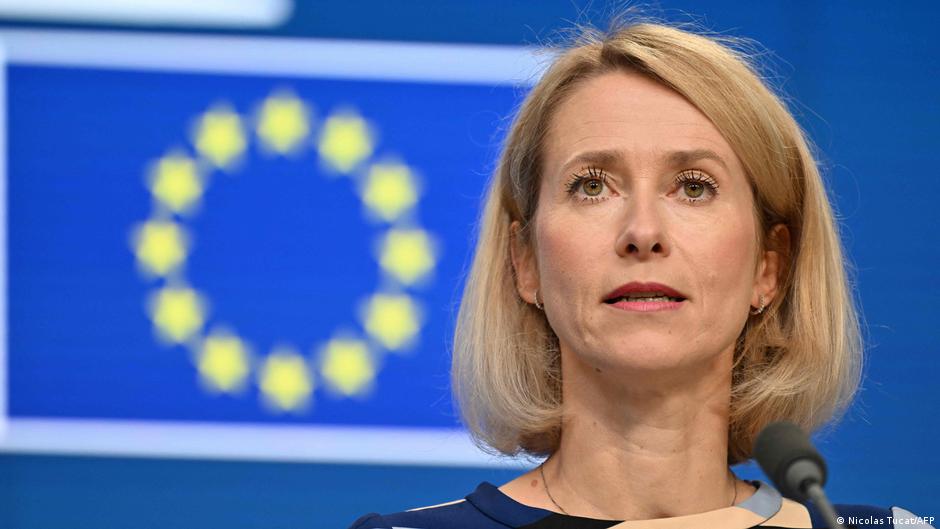
European Union foreign policy chief Kaja Kallas said Russian Foreign Minister Sergei Lavrov gave no indication at a meeting of Group of 20 foreign ministers in the United States that Moscow was prepared to enter peace negotiations over Ukraine, leaving investors with no sign of an easing in one of the world’s most consequential geopolitical risks.
Kallas, the EU’s high representative for foreign affairs and security policy, made the comments on Friday, October 30, after the gathering of G20 foreign ministers in Atlanta. Asked by an AFP journalist whether Lavrov had signaled a willingness to make concessions to end the war, she replied that he had not.
“Even if they claimed otherwise in words, their actions say something else,” Kallas said.
She said Russia must demonstrate through its actions that it is ready for negotiations. Kallas also noted that July, August and September had been the deadliest months for Ukrainian civilians, citing the human cost of a conflict that continues to resist diplomatic resolution.
No diplomatic catalyst for markets
For capital markets, the absence of a negotiating signal means the conflict remains an unresolved source of uncertainty rather than a potential near-term catalyst for a repricing of risk. The G20 meeting produced no reported breakthrough that would justify changing assumptions about the war’s duration, the sanctions environment or the broader political divide between Russia and Europe.
That matters to investors because credible progress toward peace could affect expectations across European equities, sovereign and corporate bonds, currencies, commodities and defense-related assets. In the absence of such progress, market participants must continue to account for the possibility of prolonged hostilities and sustained economic pressure on Moscow. The meeting itself did not provide evidence of a change in those conditions.
Kallas said Lavrov had presented “many lies” and “many distorted facts” that European officials were subsequently able to refute. Her remarks illustrated the depth of the dispute not only over policy but also over the basic account of the war, making the path toward substantive negotiations appear more difficult.
She also called for increased pressure on Moscow. While she did not specify new measures in the reported comments, the appeal keeps the prospect of additional political and economic action in view. For bond and equity investors, any future escalation of pressure would be assessed for its effects on companies with regional exposure, government financing requirements and the wider European growth outlook. No new sanctions package or market measure was announced in the source account.
European ministers underline Russia’s isolation
The diplomatic atmosphere at the Atlanta meeting was also reflected in a symbolic decision by European participants. German Foreign Minister Johann Wadephul said European foreign ministers had declined to join a group photograph with Lavrov because of the continuing war in Ukraine.
“There are no normal relations with Russia,” Wadephul said.
The German minister acknowledged that contacts with the Russian side remained necessary to discuss disagreements. He stressed, however, that such engagement should not create the impression that relations were returning to their customary format.
That distinction is relevant for investors looking for evidence of political normalization. Diplomatic contact alone does not necessarily indicate that governments are preparing to unwind restrictions, restore commercial ties or reduce geopolitical risk premiums. Wadephul’s comments instead framed communication as a practical necessity while rejecting the appearance of business as usual.
The statements from Kallas and Wadephul therefore point in the same direction: channels of communication remain open, but European officials see no basis for treating relations with Moscow as normalized. Their stance also suggests that any material shift in the investment outlook would require more than conciliatory language. Officials are seeking demonstrable action from Russia before accepting that negotiations are becoming credible.
Investor focus remains on policy and escalation risk
The meeting offered no direct data on movements in stocks, bonds or foreign-exchange markets, and no specific market reaction was reported. Its significance for portfolios lies instead in what did not happen: there was no public indication of concessions, no evidence cited of Russian readiness for peace talks and no suggestion from European ministers that relations were improving.
Investors will consequently continue to monitor diplomatic engagement for concrete changes rather than ceremonial contact. Evidence of genuine negotiations could alter assessments of European political risk and the persistence of wartime economic policies. Conversely, further pressure on Moscow or continued civilian casualties could reinforce expectations that the conflict and its financial consequences will remain part of the market landscape.
For now, the G20 encounter leaves the prevailing geopolitical framework intact. European officials remain willing to communicate with Russia, but they are also emphasizing isolation, accountability and pressure. Without actions that Kallas regards as proof of readiness to negotiate, investors have little reason from this meeting alone to price in an imminent diplomatic resolution.



