Kharkiv Language School Co-Founder Dies in Russian-Held Crimea
The reported death in detention highlights the legal and geopolitical risks investors continue to confront around Russia and occupied Ukraine.
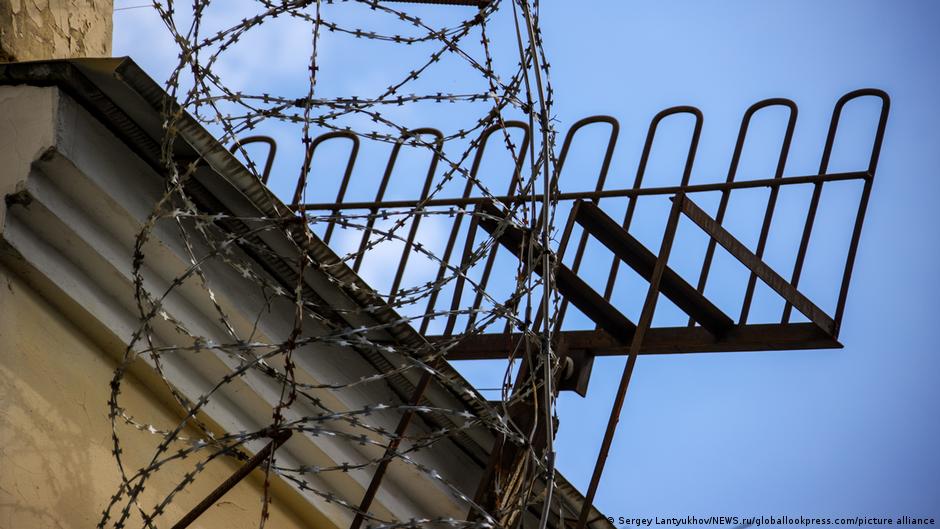
Alexandra Kazarovitskaya, the 44-year-old co-founder of the Kharkiv language school Professional, has died after being detained in Crimea, according to a Facebook post published by the school on Wednesday, November 4.
Kazarovitskaya, also known by the surname Kolesnikova, died in a pretrial detention facility in the Crimean peninsula, which Russia annexed from Ukraine. Her colleagues directly blamed Russia for her death, writing: “Russia killed her.”
The circumstances described by the school add another human-rights case to the broader risks surrounding Russia’s occupation of Ukrainian territory. For capital-markets participants, such reports reinforce the persistence of political, legal and sanctions-related uncertainty connected with exposure to Russia and the war in Ukraine. The source article provided no immediate reaction in equities, bonds, currencies or commodities, and no market figures were reported.
Detained After Traveling to Help Her Parents
According to her colleagues, Kazarovitskaya traveled to Sevastopol in the summer of 2026. They said she intended to remain there for no more than a month while helping her parents sell an apartment and relocate to Turkey.
She was subsequently detained. The school said authorities found correspondence between Kazarovitskaya and a volunteer dating back to the beginning of Russia’s full-scale invasion of Ukraine. According to the account published by her colleagues, she then spent three months in solitary confinement while awaiting trial.
“They found her correspondence with a volunteer from the beginning of the full-scale invasion. Then came three months in solitary confinement. Waiting for trial,” the school said.
Her colleagues said Russian authorities identified the cause of death as suicide. The account could not be independently established from the information in the source article. Human-rights advocates from the project Support for Political Prisoners. Memorial believe that Kazarovitskaya died in one of Simferopol’s two pretrial detention facilities.
The report did not identify the specific detention center, provide a date of death or describe the legal charges she was expected to face. It also did not include a response from Russian authorities beyond the cause of death attributed to them by Kazarovitskaya’s colleagues.
Investor Focus Remains on Geopolitical Risk
The case does not, by itself, establish a direct catalyst for a particular security or asset class. Its relevance for investors lies in what it indicates about the continuing operating environment around Russia-controlled territories: opaque detention practices, contested jurisdiction and enduring political confrontation with Ukraine.
Those conditions form part of the wider geopolitical backdrop considered by holders of regional equities and sovereign or corporate debt, as well as companies assessing compliance, counterparty and reputational risks. Reports involving detention and deaths in custody can also intensify scrutiny from governments and human-rights organizations, potentially feeding into future policy debates. No new sanctions or regulatory measures were announced in connection with this case in the source material.
Investors therefore have no reported market move to price directly from the news. The immediate implication is instead qualitative: the conflict continues to generate events that may sustain a high risk premium around assets and businesses with links to Russia or occupied Ukrainian territories. Any investment conclusion would depend on subsequent official findings, policy responses and independently verified information.
School Leader Leaves Husband and Daughter
At Professional, the Kharkiv language school she helped establish, Kazarovitskaya served as director of education. Mediazona reported that she is survived by her husband and daughter.
The school’s announcement framed her death as the outcome of her detention by Russia, while the Russian authorities’ stated explanation, as relayed by her colleagues, was suicide. The discrepancy underscores the limited transparency surrounding the case and the difficulty of independently assessing events in detention facilities located in annexed Crimea.
For markets, the episode is another reminder that headline risk from the Russia-Ukraine war extends beyond battlefield developments. Human-rights allegations, legal disputes and events in occupied territory remain capable of influencing diplomatic relations and investor perceptions, even when they produce no measurable trading reaction on the day they emerge.



