Reported Drone Strikes Put Russian Industrial Assets in Investor Focus
Unverified reports of fires at steel and chemical facilities highlight mounting operational risks for Russian industrial assets.
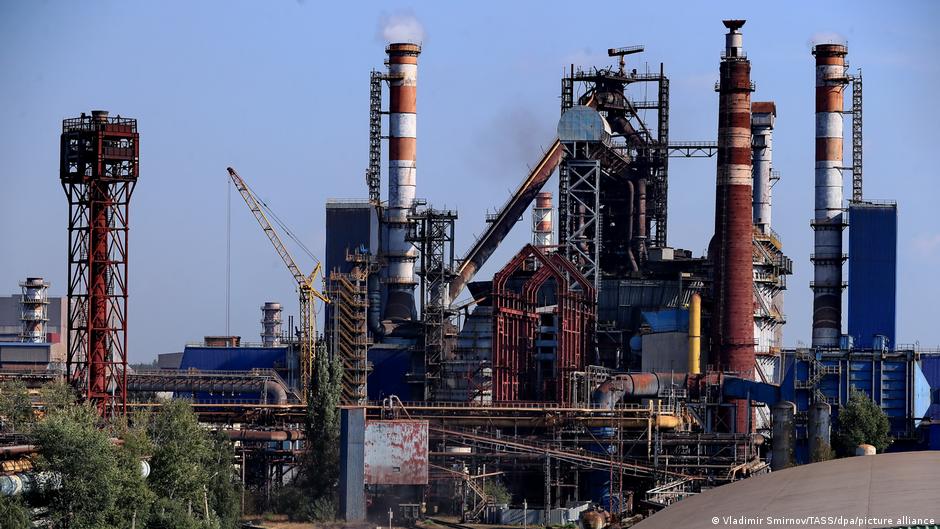
Reports of Ukrainian drone strikes near major industrial facilities in western Russia are drawing renewed attention to the physical and operational risks facing the country’s metals, chemicals and defense-linked manufacturing sectors. An Ukrainian monitoring channel, Exilenova+, said a fire broke out at the Novolipetsk Steel Works in Lipetsk following an overnight attack, while preliminary information also indicated a fire near a local military airfield.
The claims had not been confirmed by the Ukrainian military, Ukraine’s Defense Ministry or authorities in the Lipetsk region at the time of publication. For investors, that lack of official verification makes any immediate assessment of damage, production disruption or financial exposure difficult. Still, the reports underscore the expanding geographic reach of attacks against industrial sites and the potential for higher security, insurance and maintenance costs.
Steel Production Site Reportedly Affected
Exilenova+ said Lipetsk came under attack by jet-powered drones operated by the Armed Forces of Ukraine during the night of Wednesday, Oct. 28. According to the channel’s preliminary open-source intelligence analysis, a fire started in the area of the Novolipetsk metallurgical plant, also known as NLMK, partly as a result of local air-defense activity.
The plant was previously targeted in Ukrainian attacks during 2024. No information was provided about the scale of the latest fire, whether production units were damaged or whether operations had been interrupted. Those details would be central to determining any implications for steel output, company earnings, supply contracts or related securities.
Exilenova+ also reported strikes near the city’s military airfield. The channel said missile alerts had sounded in several Russian regions and that air defenses over Lipetsk engaged jet-powered targets.
“There is preliminary information about impacts and a fire in the area of the airfield,” the monitoring channel said.
The channel published photographs and eyewitness videos that it said showed air-defense systems operating. Exilenova+ described one video as capturing explosions of 30-millimeter shells fired by automatic antiaircraft guns belonging to a Russian Pantsir surface-to-air missile and gun system. It said the firing did not result in hits.
From a capital-markets perspective, the immediate issue is not only whether core production assets were struck, but also whether repeated alerts and defensive activity can disrupt logistics, labor availability and plant utilization. Even when damage is limited, recurring attacks can complicate operating forecasts for companies with concentrated production footprints.
Chemical Plant and Regional Infrastructure Risks
Exilenova+ later cited local residents as reporting an attack and subsequent fire at the Azot chemical plant in Novomoskovsk, in Russia’s Tula region. The channel offered no further details. According to Ukraine’s Foreign Intelligence Service, the facility supplies nitric acid to the Sverdlov plant in Dzerzhinsk, in the Nizhny Novgorod region, which manufactures explosives.
Tula Governor Dmitry Milyaev said regional air-defense units were repelling a drone raid. He wrote on Telegram that apartment buildings, private homes and infrastructure in an adjacent industrial zone in Novomoskovsk had sustained damage. He did not provide a financial estimate or specify the condition of the Azot plant.
The reports place chemical supply chains alongside steelmaking assets as potential areas of concern. Investors would need verified information on shutdowns, inventories, transport links and repair timelines before judging whether the incidents could affect production volumes or corporate cash flow. The events may also reinforce a broader risk premium around Russian industrial issuers and regional infrastructure, although no specific equity or bond-price reaction was reported in the available information.
Earlier Strike Targeted Battery Manufacturer
The latest claims follow an Oct. 25 Ukrainian strike on what regional officials described as Russia’s largest battery-manufacturing plant, located in Yelets in the Lipetsk region. Lipetsk Governor Igor Artamonov did not identify the company or disclose the extent of the damage.
Open-source analysis by the publication Astra identified the target as the Energia plant in Yelets’s industrial zone. Astra said the company produces batteries used in Russian drones, multiple missile systems and other weapons widely deployed by Russia in its war against Ukraine.
Exilenova+ said the facility was attacked with several Storm Shadow missiles and claimed that at least two strikes hit two plant buildings. The channel reported extensive destruction to one production building. The following day, Ukraine’s General Staff confirmed that the facility had been hit and damaged but did not identify the weapon used.
Before the Oct. 25 strike, Energia had already been targeted five times by Ukrainian forces. That pattern of repeated attacks is particularly relevant for assessing industrial credit and equity risk: recurring exposure can increase capital expenditure needs, create uncertainty around replacement capacity and reduce the reliability of forward production estimates. Until companies or regional authorities disclose verified damage and operating data, however, the financial impact of the latest incidents remains uncertain.



