Russia-Ukraine Talks Set for Abu Dhabi as Markets Assess Peace Prospects
US-mediated talks on November 10-11 will address security, de-escalation and reconstruction, with investors watching for signs of durable progress.
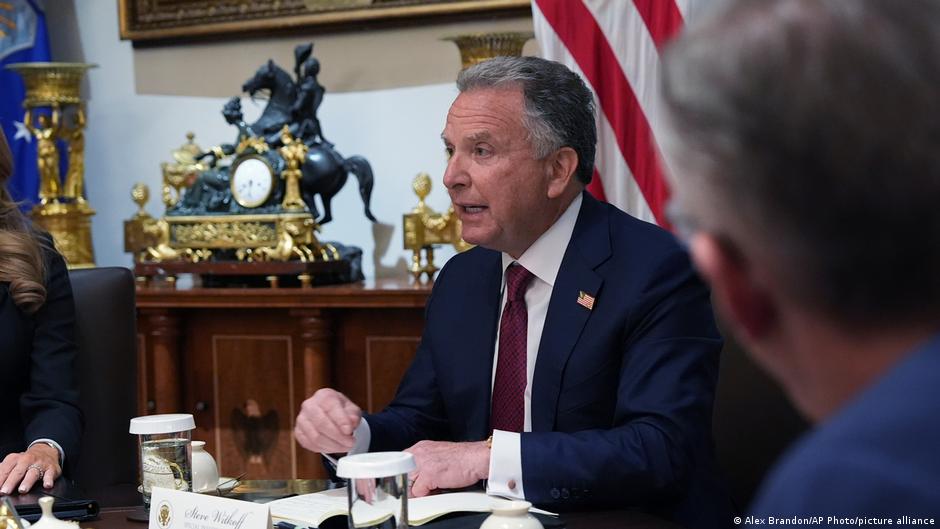
Russia and Ukraine will hold a new round of US-mediated negotiations in Abu Dhabi on November 10 and 11, creating a fresh diplomatic focal point for investors assessing geopolitical risk across European equities, sovereign bonds, currencies and commodity markets.
Steve Witkoff, US President Donald Trump’s special envoy, announced the talks on Tuesday, November 3. The negotiations in the capital of the United Arab Emirates will take place at the working-group level as part of Trump’s efforts to end Russia’s war against Ukraine.
“The discussions will focus on postwar security, de-escalation, humanitarian initiatives and the next steps toward peace,” Witkoff wrote on X.
For capital markets, the meeting’s significance will depend less on the venue than on whether the parties can translate recent diplomatic contacts into concrete steps. The agenda touches several issues with direct implications for regional risk premiums, including the durability of any security arrangements, the pace of de-escalation and the eventual financing of Ukraine’s reconstruction.
European risk assets face a new diplomatic test
Investors will be looking for evidence that the Abu Dhabi discussions can reduce the probability of prolonged conflict or renewed escalation. A credible path toward a lasting settlement could influence sentiment toward European companies with high energy costs, regional banks, transport operators and businesses exposed to Central and Eastern Europe. Conversely, limited progress would leave the geopolitical discount embedded in parts of the region’s markets largely intact.
Bond investors will also scrutinize the negotiations. Postwar security commitments and economic assistance would affect future public spending requirements for Ukraine, European governments and their allies. The structure, timing and distribution of those obligations could shape expectations for sovereign issuance, fiscal policy and defense expenditure. No financial commitments or specific reconstruction figures were disclosed in the announcement.
Witkoff said US negotiators will also meet representatives of France, Germany, the United Kingdom, the European Union and NATO in Brussels this week. Those discussions will cover security guarantees for Ukraine, Europe’s postwar security architecture and opportunities to provide economic support for Ukraine’s reconstruction.
The Brussels meetings broaden the market relevance of the diplomatic push. Investors are likely to focus on whether European governments can align around security guarantees and reconstruction support without creating unexpected pressure on national budgets. The talks may also help clarify the prospective role of multilateral institutions and private capital, although no funding mechanism has yet been announced.
Reconstruction outlook remains central for investors
Ukraine’s eventual recovery would represent a substantial, long-term capital allocation question spanning infrastructure, energy, housing and industrial assets. For now, however, Witkoff’s statement frames economic support as a subject for discussion rather than a finalized investment program. That distinction matters for companies and funds evaluating potential exposure to reconstruction-related projects.
“We hope to consolidate the progress achieved in Kyiv, Oslo and St. Petersburg on the path toward a comprehensive and lasting peace agreement that will provide long-term security for future generations,” Witkoff said.
The envoy’s reference to those cities points to a sequence of recent diplomatic engagements. In October, Witkoff met Ukrainian President Volodymyr Zelenskyy in Oslo before traveling to St. Petersburg for talks with Russian President Vladimir Putin. The Abu Dhabi round is intended to build on that activity, but the announcement did not identify specific agreements reached during the earlier meetings.
The previous round of US-mediated talks between Russia and Ukraine took place in February 2026, shortly before the start of the US and Israeli war against Iran. The gap between formal rounds underscores the complexity of the process and may temper immediate market expectations ahead of the November meetings.
For investors, the near-term signal will come from the substance of any statements issued after November 10-11. Confirmation of follow-up meetings, practical de-escalation measures or an agreed framework for security and humanitarian initiatives would provide clearer evidence of momentum. Without such details, markets may treat the event as another step in a lengthy negotiating process rather than a decisive change in the geopolitical outlook.
The talks nevertheless place diplomacy back on the calendar at a time when security policy, reconstruction costs and regional stability remain relevant to European asset valuations. Abu Dhabi will offer investors a new opportunity to judge whether political discussions are moving toward enforceable arrangements capable of reducing uncertainty over the longer term.



