Russian Conscript Death Toll Adds to Investor Scrutiny of War Risks
A verified count of at least 350 conscript deaths highlights disclosure gaps surrounding Russia’s war effort and its economic consequences.
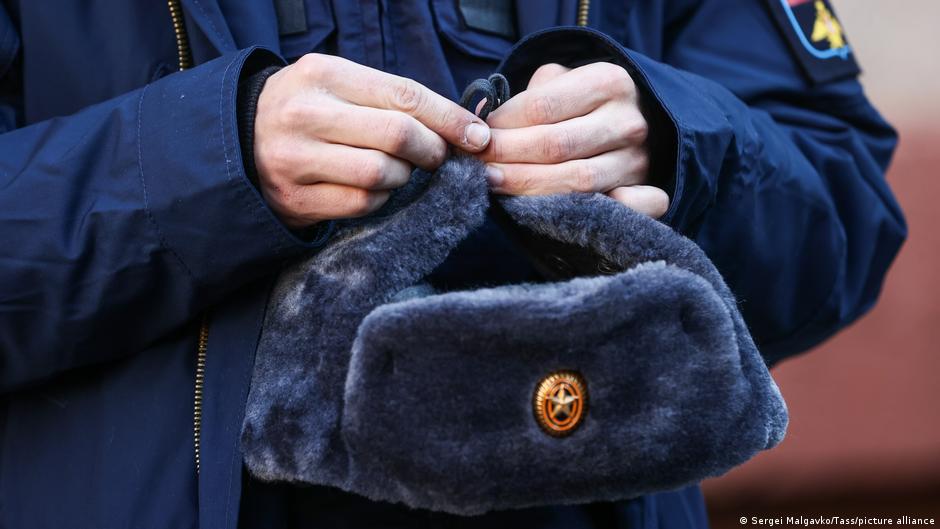
At least 350 Russian soldiers serving under compulsory conscription have died during Russia’s full-scale invasion of Ukraine, according to a joint investigation by Mediazona, the BBC Russian Service and a team of volunteers.
The finding challenges the Russian authorities’ official position that conscripts are not being sent to fight in the war. For capital markets, the discrepancy adds another data point to persistent concerns about the transparency of Russia’s military commitments, the reliability of official disclosures and the longer-term fiscal and demographic consequences of the conflict.
The investigators said at least 60 conscripts were killed during the Ukrainian armed forces’ incursion into Russia’s Kursk region in August 2024. The figures were reported on Friday, November 6.
The source material did not identify an immediate reaction in Russian equities, government bonds or the ruble. The verified deaths nevertheless matter to investors assessing geopolitical risk because they suggest that the burden of the war extends beyond professional soldiers and formally contracted personnel.
Disclosure Gap Complicates Risk Assessment
Russian officials officially deny sending conscripted servicemen to the war. However, the Russian Defense Ministry acknowledged several instances in which conscripts were present during the early phase of the invasion in February and March 2022.
“The 350 people on our list are those who had ‘conscript’ status at the time of death. A separate risk is pressure to sign a contract. They are often imposed through deception or violence,” Mediazona said.
The distinction between conscripts and contract soldiers is important because it affects how the scale and composition of Russia’s military manpower can be evaluated. The investigators established the identities of almost 700 people who signed contracts with the Russian Defense Ministry while completing compulsory military service. It remains unknown whether those decisions were voluntary.
The journalists currently do not classify those nearly 700 servicemen as a separate group and count only those who retained conscript status. They said that approach could change in the future. Any revision could affect assessments of how frequently compulsory service becomes a pathway into contracted military deployment.
For bondholders and equity investors, incomplete information about military personnel can complicate estimates of future state spending. Death benefits, compensation for wounded personnel, recruitment incentives and payments to contract soldiers all form part of the broader financial burden associated with the war, although the investigation did not provide figures for those costs.
War Data Remain Central to Russia’s Risk Premium
An updated list compiled by journalists and volunteers puts the confirmed number of Russian military personnel killed in Ukraine at 285,881. The figure represents documented deaths rather than an official Russian total.
That broader count reinforces the scale of the human losses behind Russia’s wartime economy. Investors monitoring Russian assets must weigh military developments alongside sanctions, access to international capital, government expenditure and the availability of labor. The conscript findings do not by themselves establish a direct change in any of those variables, but they provide additional evidence for evaluating the conflict’s duration and reach.
Equity investors may view the issue through its potential implications for companies exposed to state procurement, labor shortages or household demand. Bond investors are more directly focused on whether prolonged military commitments place additional pressure on public finances and domestic funding requirements. Foreign investors also face restrictions and market-access constraints that can outweigh company-specific fundamentals.
The report may also carry political significance because compulsory military service touches a wider section of Russian society than professional recruitment alone. Any shift in public perceptions, mobilization policy or recruitment practices could eventually influence economic expectations. The available findings, however, document deaths and contract signings rather than measuring public opinion or forecasting policy changes.
For markets, the principal signal is therefore one of uncertainty rather than a discrete trading catalyst. The gap between official statements and independently verified cases makes it harder to establish the full manpower and financial demands of the war. Investors pricing Russian sovereign and corporate risk are likely to continue relying on independently assembled data alongside official releases when judging the durability and cost of the country’s military campaign.



