Suspected Drone Activity at UK Air Base Raises Security Risk for Markets
The alert at RAF Lakenheath caused no reported damage but adds to investor scrutiny of geopolitical and infrastructure risks in Britain.
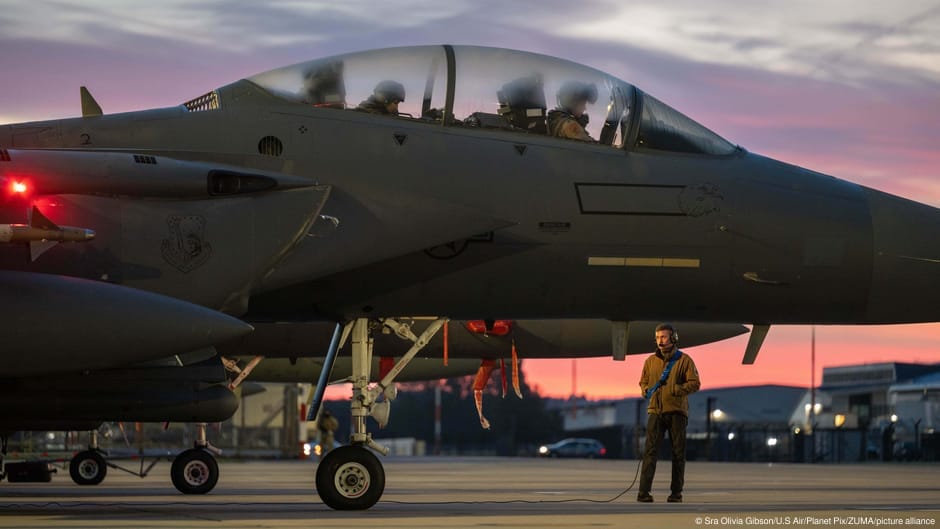
The US Air Force reported suspected unauthorized drone activity late Friday, November 13, over RAF Lakenheath, a Royal Air Force base in England that also hosts US military personnel. Service members were instructed to shelter in place, according to Sky News.
No personnel, aircraft or infrastructure were harmed, the US Air Force said in a statement. That absence of damage limits the incident's immediate financial significance, but the alert adds another security concern for investors already assessing geopolitical threats to strategically important European facilities.
US military representatives said they were continuing to work closely with British partners to protect their personnel and nearby communities. The shelter-in-place instruction was contained in a warning distributed to service members at the base and reviewed by Sky News.
Residents of a neighboring village heard sounds resembling a siren, according to the BBC. The Daily Mail also reported that people living near RAF Feltwell, around 11 kilometers from Lakenheath, heard an alarm on the evening of November 13.
Investors Watch for Escalation Beyond the Base
For capital markets, the principal question is whether the episode remains an isolated security alert or develops into evidence of a broader threat to military and transport infrastructure. The reported lack of casualties and physical damage reduces the prospect of an immediate economic disruption. However, repeated incidents could increase pressure for additional spending on counter-drone systems, surveillance and base protection.
That possibility places defense and security companies in focus, particularly businesses supplying detection equipment, electronic warfare technology and infrastructure protection. Investors may also monitor British government bonds and sterling for any wider shift in risk sentiment if authorities disclose additional incidents or attribute the activity to a foreign actor. The available reports did not identify who operated the suspected drones.
“Neither personnel, aircraft nor infrastructure were harmed,” the US Air Force said.
The alert comes amid other security-related developments involving US forces in Britain. On November 9, the United States withdrew its military refueling aircraft from RAF Mildenhall in eastern England. The following day, a senior US military officer was detained in Britain on suspicion of spying for Russia. Local police said that arrest was not connected to other counterterrorism investigations under way.
The Wall Street Journal reported that the United States relocated the aircraft because of a threat from Iran. One piece of indirect evidence cited in connection with that assessment was the US Air Force's withdrawal of B-1 bombers from RAF Fairford, another English base, in early October. Those aircraft had been used in strikes on Iran.
Security Spending Could Become a Market Theme
The sequence of events is relevant to investors because it links base security with a wider reassessment of military deployments and geopolitical exposure. If the United States and Britain conclude that their facilities require more extensive protection, procurement priorities could shift toward drone detection, perimeter monitoring and other defensive systems. Any market impact would depend on the scale, duration and official attribution of the threat.
There has also been a separate incident at RAF Fairford. Three white vans were found on the base's grounds in late September, after which police temporarily detained five suspects. British Prime Minister Andy Burnham said there were “strong indications” that Iran had played a role in those events. Tehran described the allegations as unfounded.
For equity investors, the developing situation is therefore more likely to affect sector positioning than broad corporate earnings in the near term. Defense contractors and specialist security suppliers could attract attention if London or Washington announces new procurement measures. Airlines, logistics groups and other companies dependent on uninterrupted British airspace would face greater sensitivity only if the disruption expanded beyond military installations.
Bond investors will be watching for a different transmission channel: higher defense and security expenditure could eventually add to fiscal demands, although a single incident without damage does not by itself imply a meaningful change in government borrowing. A sustained series of alerts, particularly if linked to state-backed activity, would present a more consequential test for sovereign risk assessments and European security budgets.
The immediate market signal remains contained. Operations were subject to a protective alert, but officials reported no harm to people or assets. Investors will now look to British and US authorities for evidence about the drones' origin, the duration of the activity and whether the alarm near RAF Feltwell was connected. Until those questions are answered, the event primarily represents an additional geopolitical risk marker rather than a confirmed economic shock.



