Trump Orders Democratic Party Probe After Midterm Election Defeat
The investigation order adds political risk for investors as Democrats prepare to control both chambers of Congress.
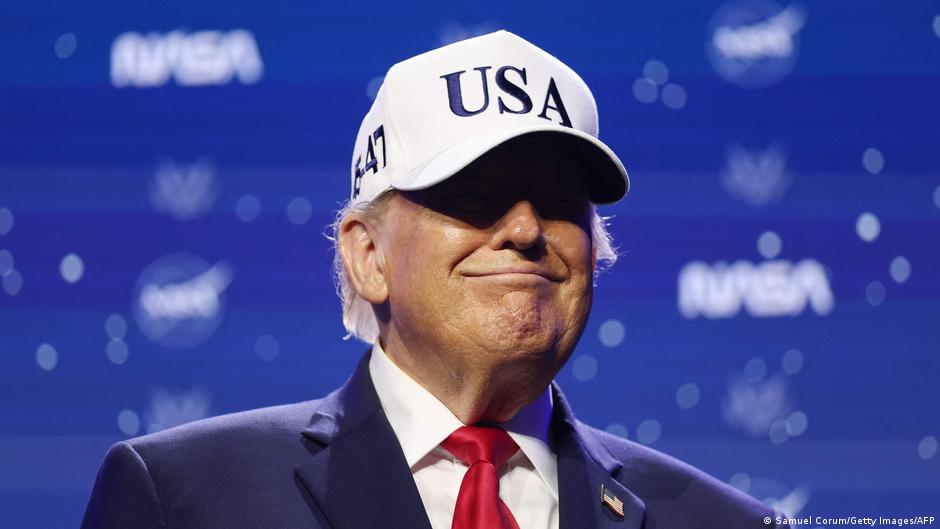
US President Donald Trump has instructed the Justice Department to investigate Democratic Party members, accusing them of using threats of impeachment and other penalties to pressure the attorney general and other government officials after their victory in the congressional midterm elections.
Trump announced the directive on Saturday, November 7, through his Truth Social platform. He alleged that Democrats were threatening the US attorney general and other officials despite lacking grounds for punitive action.
“This is blackmail at the highest level, and they must be punished,” Trump said.
The order introduces another source of political uncertainty following an election that shifted control of both the House of Representatives and the Senate to Democrats. For capital markets, the immediate question is whether escalating investigations and impeachment disputes will obstruct legislation, disrupt appointments or alter the administration’s policy agenda.
The source reporting did not specify any immediate moves in equities, Treasury bonds or the US dollar following Trump’s statement. Investors are nevertheless likely to watch whether the confrontation develops into a prolonged institutional dispute, particularly as the new congressional majority prepares parliamentary investigations of alleged abuses of power by Trump-appointed officials, including members of the president’s family.
Divided Washington raises policy-execution risks
Trump publicly accepted the midterm election results after the Democrats’ convincing victory, easing concerns among some party members that he might challenge the outcome and seek to overturn it, as he did after losing the 2020 presidential election. He also said he was prepared to cooperate with Democrats after they secured majorities in both chambers.
Those conciliatory statements now stand alongside an order for a Justice Department investigation and increasingly confrontational rhetoric. The combination points to a potentially unstable governing environment in which bipartisan cooperation may remain possible on selected measures but could be constrained by investigations, subpoenas and impeachment initiatives.
Such gridlock can have mixed implications for markets. Limits on major legislative changes may reduce uncertainty in some regulated industries, while an inability to pass budgets or address fiscal deadlines can increase volatility in government bonds and other risk assets. The source article provides no details on the incoming congressional majority’s tax, spending or regulatory plans, leaving investors to focus initially on the institutional conflict rather than a defined economic-policy shift.
Tensions have also intensified inside the White House following the Republican defeat, Reuters reported. Thomas Massie, a Republican congressman from Kentucky who has criticized Trump, said he wanted to bring a proposal to impeach Defense Secretary Pete Hegseth to a vote. The development suggests that political pressure is not limited to the new Democratic majority and could expose divisions within the Republican Party.
Investigations could broaden political uncertainty
Some Democrats have announced plans to initiate congressional investigations into alleged abuses of power by officials appointed by Trump. Their intended scrutiny includes members of the president’s family, potentially widening the scope and duration of congressional inquiries.
Trump also alleged that Democratic Party members were threatening Republican donors with prison sentences because of their political beliefs. He separately accused Michigan Senator Elissa Slotkin of planning to prosecute young Americans for supporting the Republican Party. The source provided no evidence supporting those claims, and no responses from the Democrats, Slotkin or the officials named in the dispute were included.
Investors will be assessing whether the Justice Department inquiry develops into formal legal proceedings and whether congressional investigations begin affecting senior officials’ ability to implement policy. A sustained cycle of investigations and counter-investigations could complicate decisions in areas that matter to equities and credit markets, including federal spending, regulation and executive appointments.
The political signal was reinforced by Trump’s appointment of Stephen Miller as White House chief of staff on the eve of the announcement. Miller is associated with restrictive immigration policies and a hard-line national-conservative agenda. Reuters described the appointment as a move perceived as a challenge to Democrats.
For markets, the appointment may sharpen attention on immigration policy and the administration’s capacity to pursue its agenda despite Democratic control of Congress. Restrictive migration measures can be relevant to investors through their potential implications for labor supply and business costs, although the source offered no new policy details or economic estimates tied to Miller’s appointment.
The near-term capital-markets focus will therefore remain on governability: whether Trump and the Democratic majorities can translate their stated willingness to cooperate into legislation, or whether impeachment threats, Justice Department action and internal Republican divisions dominate Washington. Until specific fiscal or regulatory proposals emerge, the political confrontation represents a risk factor rather than a clearly measurable change to the outlook for stocks, bonds or the dollar.



