Ukraine-Libya Strike Raises New Geopolitical Risks for Global Markets
Kyiv says it will not expand the war beyond Russian military assets as investors assess the risk of wider regional disruption.
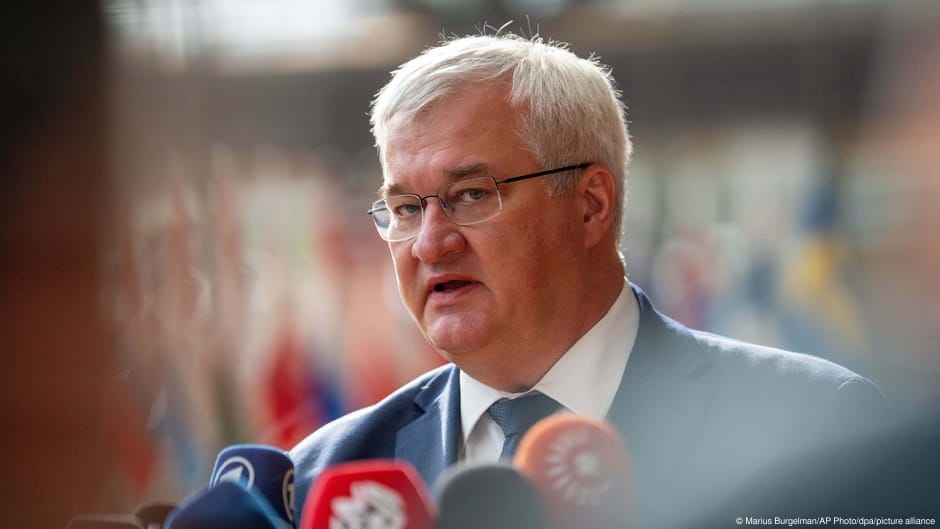
Ukraine has sought to contain the diplomatic and market fallout from a military operation near Libya that sank a Russian corvette and struck a cargo vessel, assuring Tripoli that Kyiv does not intend to transfer the war started by Russia to Libyan territory or other countries.
Ukrainian Foreign Minister Andrii Sybiha delivered the message on Thursday evening, Nov. 26, during a telephone conversation that he initiated with Taher Salem Al-Baour, Libya’s acting foreign minister. The call followed the operation near Benghazi, where eastern Libyan authorities said two Libyan service members died from their injuries.
For investors, the incident introduces another geopolitical variable into markets already sensitive to the war’s geographic scope. Libya’s importance as a North African energy producer means any escalation around its ports or competing political authorities could increase uncertainty for oil-linked assets, shipping interests and sovereign risk. The source account provided no specific market-price reaction, however, and the immediate implications depend on whether the episode remains isolated.
Kyiv stresses limited military objectives
Ukraine sank the Russian warship Mercury in Benghazi port during the night of Nov. 22 and also hit a dry cargo ship near the port, according to the account. Ukrainian President Volodymyr Zelensky described the drone operation on Nov. 23 as exemplary. He said a Ka-27 helicopter aboard the corvette was also destroyed and identified the damaged cargo vessel as the MV ANGARA, which he said Russia had used to transport weapons.
During his conversation with Al-Baour, Sybiha said Ukraine’s actions concerned only Russian military targets directly used in the war. He also expressed regret over the unintended consequences and offered sincere condolences to the Libyan people.
Sybiha said Ukraine’s actions “concerned exclusively Russian military facilities” directly used in the war.
The Ukrainian minister reaffirmed Kyiv’s full support for Libya’s sovereignty and territorial integrity, as well as efforts to reunify the divided country. That assurance is central to Kyiv’s attempt to prevent the strike from being interpreted as the opening of a broader theater of operations.
Libya remains divided between rival centers of power. The eastern authorities based in Benghazi, which reported the deaths of the two service members, are not recognized by the United Nations and maintain close relations with Russia. The internationally recognized Libyan government is based in Tripoli, and Al-Baour serves within that administration.
European divisions complicate the risk outlook
Both Libyan camps criticized the Ukrainian attacks. Eastern authorities said the operation violated Libyan sovereignty and asked the United Nations to investigate the alleged presence of Ukrainian armed forces in western Libya. The UN-recognized government in Tripoli also condemned the strikes.
European responses exposed differing views over how far Ukraine’s right to self-defense extends geographically. French Foreign Minister Jean-Noël Barrot supported Kyiv’s actions, invoked Ukraine’s right to defend itself and blamed Russia for the widening scope of the war.
Italy took a contrasting position, telling Ukraine that attacking Russian ships in Libyan waters was a mistake and warning Kyiv against spreading the conflict to new territories. German Foreign Minister Johann Wadephul similarly stressed that a geographic expansion of the war was unacceptable.
That divergence matters to capital markets because sustained European unity has been an important element of expectations surrounding sanctions, defense spending and financial assistance for Ukraine. A dispute over operations outside the established theater could complicate political coordination, although no new sanctions, funding decisions or policy changes were announced in connection with the Benghazi incident.
Investors watch energy and shipping exposure
The principal near-term market question is whether the operation proves to be a one-off strike against Russian military logistics or signals a broader campaign targeting assets far from the Black Sea theater. The former would likely keep the episode primarily within the geopolitical risk premium already attached to the Russia-Ukraine war. The latter could raise concerns about maritime security, insurance costs and commercial traffic around Mediterranean ports.
Energy markets are also likely to monitor Libyan political reactions closely. The attack occurred in a country whose rival administrations and relationships with external powers already create operational uncertainty. Any deterioration in security near ports could become relevant to oil traders, energy equities and inflation-sensitive government bonds, even though the available account does not indicate that production or exports were disrupted.
Defense companies and related equities may also remain sensitive to evidence that drone warfare is extending the reach of military operations. At the same time, sovereign bonds and broader risk assets could respond negatively if the diplomatic dispute deepens or draws additional states into confrontation.
Sybiha’s outreach appears intended to limit those escalation risks by separating Ukraine’s stated targeting of Russian military infrastructure from any challenge to Libyan sovereignty. Markets will now look for evidence that the assurances are accepted, that the UN request does not trigger a wider diplomatic rupture, and that military activity around Benghazi does not continue.



