US Considers Allowing Saudi Arabia to Enrich Uranium, Raising Market Uncertainty
Potential shift in US-Saudi nuclear cooperation stirs concerns over geopolitical risks impacting capital markets.
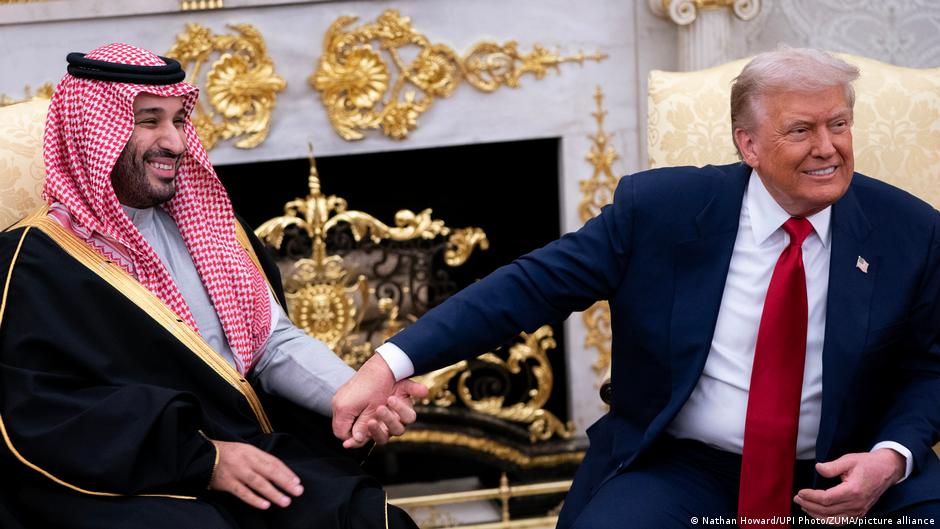
The Trump administration has reportedly agreed in principle to permit Saudi Arabia to enrich uranium without stringent International Atomic Energy Agency (IAEA) safeguards, according to sources familiar with the negotiations. This move, highlighted by CNN, could have significant implications for geopolitical stability and investor sentiment globally.
Details of the Proposed US-Saudi Nuclear Cooperation
The proposed bilateral agreement between Washington and Riyadh aims to support the development of Saudi Arabia's civilian nuclear energy program. However, unlike prior US nuclear agreements with other nations, this deal may not require Saudi Arabia to adopt the IAEA’s Additional Protocol. This protocol grants inspectors enhanced access to verify that nuclear programs are purely civilian and non-diversionary.
Experts caution that excluding these safeguards could potentially pave the way for Saudi Arabia to develop nuclear weapons capabilities. The crown prince of Saudi Arabia, Mohammed bin Salman, has previously stated that if Iran acquires nuclear weapons, Saudi Arabia would seek to do the same.
“Allowing uranium enrichment without full IAEA oversight could increase risks of nuclear proliferation in a volatile region,” experts warn.
Market Implications and Investor Considerations
From a capital markets perspective, this development heightens geopolitical risks in the Middle East, a region already sensitive due to ongoing conflicts and instability. Elevated uncertainty could prompt cautious behavior among investors, potentially affecting equities, bonds, and energy sector valuations.
Energy and defense stocks might experience increased volatility as markets price in the potential for escalated tensions between Saudi Arabia, Iran, and other regional actors. Bond markets could see fluctuations in sovereign debt yields for both Saudi Arabia and regional neighbors, reflecting perceived credit risk linked to geopolitical dynamics.
Moreover, the delay in signing the agreement—originally expected by fall 2025—linked to the recent US and Israeli military actions against Iran, adds another layer of uncertainty. Investors should monitor developments closely, as shifts in US foreign policy and Middle Eastern nuclear capabilities could influence global risk sentiment and capital flows.
Conclusion
Allowing Saudi Arabia to enrich uranium without stringent safeguards represents a significant departure in US nuclear non-proliferation policy. For investors, the move underscores the importance of factoring in geopolitical risk when assessing exposure to Middle Eastern markets and related sectors.