US Envoys Seek Russia-Europe Dialogue as Markets Track Ukraine Talks
Preparations for multilateral talks involving European representatives could shape geopolitical risk assessments across capital markets.
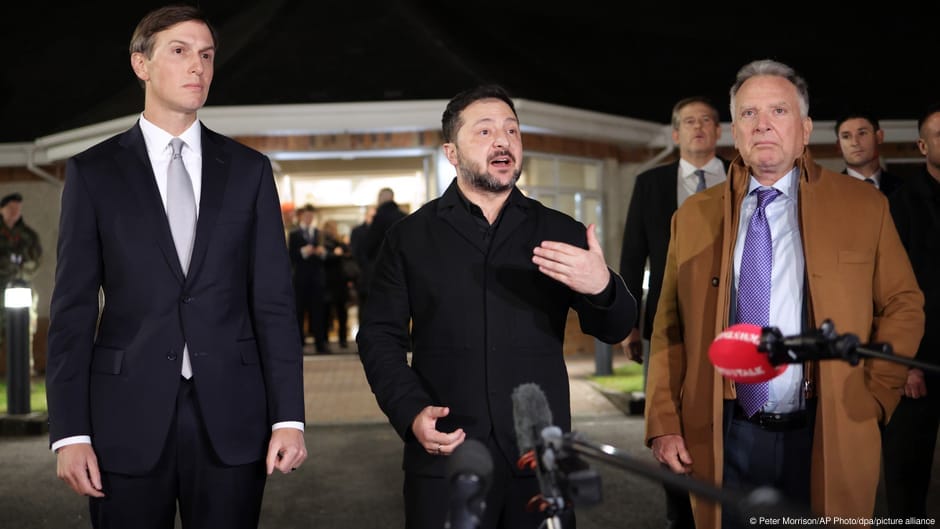
US presidential envoys Steve Witkoff and Jared Kushner are working to facilitate direct engagement between Moscow and European partners as part of negotiations over Ukraine and the continent’s broader security framework, Kushner said on Saturday, November 14.
For capital markets, the diplomatic push places renewed attention on geopolitical risk linked to the war in Ukraine. Investors will be watching for evidence that the initiative can produce a durable negotiating process, particularly because any eventual agreement could influence risk sentiment toward European equities, sovereign and corporate bonds, currencies and energy-sensitive assets. Kushner did not announce an agreement or provide details of any proposed settlement.
Writing on the social media platform X, Kushner said he and Witkoff were “focused on facilitating direct engagement” between Moscow and European partners. He said efforts to bring European representatives into the Ukraine negotiations reflected NATO’s continuing role in regional security. The alliance, which includes the United States, would remain a central pillar of European security in the future, he added.
“Any final agreement must be approved by all interested parties,” Kushner said, adding that President Donald Trump would support only arrangements that strengthen Ukrainian and European security and make future conflicts less likely.
The emphasis on broad approval is relevant to investors assessing whether diplomatic progress could survive political disagreements among the parties. A framework accepted by Russia, Ukraine, the United States and European governments would carry different implications for long-term risk pricing than a limited arrangement lacking wider support. At this stage, however, the comments indicate preparations and diplomatic engagement rather than a completed accord.
Next Round of Talks Takes Shape
Kushner said another priority was preparing the agenda for the next round of trilateral negotiations involving Russia, the United States and Ukraine. According to the envoy, both Moscow and Kyiv understand that practical compromises are necessary to end the war.
He also said several new ideas emerged during negotiations held this week and that some of them could lead to a breakthrough. He did not disclose the proposals, their financial implications or the positions taken by the parties. That lack of detail leaves markets without a clear basis for repricing the economic consequences of the talks, including potential changes to trade, sanctions, reconstruction expectations or European security spending.
Kushner and Witkoff participated in several meetings during the week focused on ending the war. On November 10 and 11, they represented Washington at trilateral negotiations in Abu Dhabi attended by delegations from Moscow and Kyiv. On November 12, the two envoys traveled to Russia for a meeting with President Vladimir Putin. The following day, they arrived in Dublin and met Ukrainian President Volodymyr Zelensky.
The sequence of meetings signals an active diplomatic schedule spanning the principal parties to the conflict. For equity and bond investors, the next test will be whether that activity produces a defined process, verifiable commitments or a timetable capable of reducing uncertainty. Until then, the talks remain a potential catalyst rather than a confirmed change in the geopolitical outlook.
European Participation Draws Investor Attention
The date of the next negotiations has not been publicly disclosed. In comments to the Russian television program Vesti before leaving Moscow, Kushner said further discussions would take place “as early as next week” and described the planned format as multilateral.
Witkoff separately said the date had already been set and that European representatives would attend. Their participation may be significant because European governments are directly exposed to the security, fiscal and economic consequences of the war. Their involvement could affect how investors evaluate future defense expenditure, fiscal pressures and the durability of any political settlement, although the envoys did not specify which European countries or institutions would be represented.
Markets now face a familiar distinction between diplomatic momentum and an investable outcome. The prospect of direct Russia-Europe engagement may support hopes for reduced geopolitical tension, but the absence of a published agenda, confirmed date or substantive agreement limits immediate conclusions. Investors are therefore likely to focus on the composition of the next meeting, any disclosed compromises and whether the parties establish a credible path toward a broadly approved settlement.



