US Push to Revive Russian Gas Transit Tests Europe’s Energy Trade
The proposed Ukraine route could reshape European energy pricing, sanctions exposure and investment prospects ahead of Abu Dhabi talks.
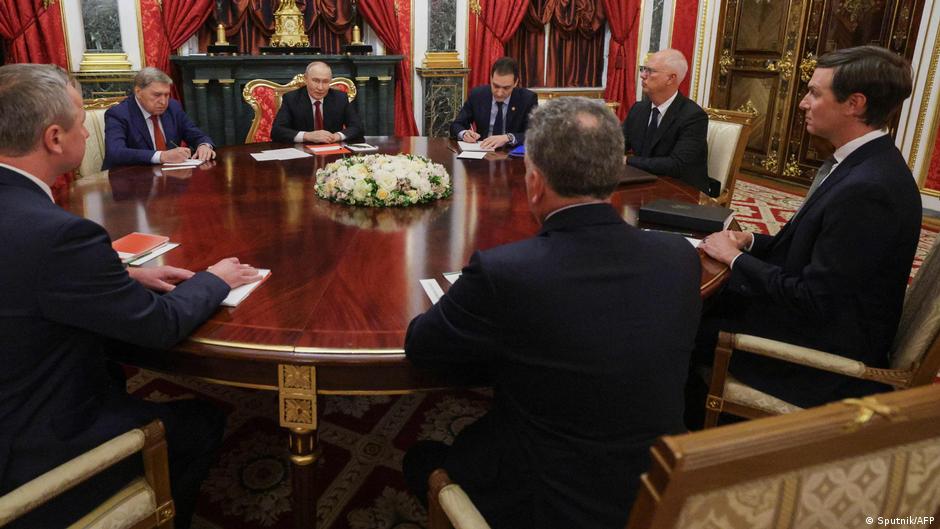
The United States is pressing for a rapid resumption of Russian natural gas supplies to Europe through Ukraine as part of negotiations over an energy truce between Moscow and Kyiv, according to the Wall Street Journal, which cited US, European and Ukrainian officials.
The proposal could have significant consequences for energy markets and investors, even before any agreement is reached. A renewed flow of pipeline gas could alter expectations for European power and gas prices, affect the earnings outlook for utilities and industrial companies, and challenge the investment case for liquefied natural gas suppliers. It would also introduce fresh sanctions and political risks for companies involved in financing, trading or transporting the fuel.
According to the report published on Sunday, November 1, US negotiators Jared Kushner and Steve Witkoff discussed the concept during visits to Moscow and Kyiv in September. The plan would involve selling Russian gas through an American intermediary, a structure expected to circumvent European sanctions while creating potentially profitable opportunities for US investors.
Energy Truce Carries Market Implications
Washington is seeking a comprehensive agreement to halt strikes on energy infrastructure before trilateral talks involving the United States, Russia and Ukraine, scheduled to take place in Abu Dhabi in November. The administration of President Donald Trump expects European resistance to the gas proposal may ultimately prove less forceful than governments have suggested publicly, the newspaper reported.
US officials view Russia’s return to the European gas market as an additional incentive for Russian President Vladimir Putin to support an energy truce. Ukraine, meanwhile, could receive additional transit revenue from gas transported across its territory.
For markets, the proposal connects a potential reduction in wartime infrastructure risk with the possible restoration of a major energy corridor. European equities with heavy exposure to gas costs—including chemicals, metals, manufacturing and power-intensive industries—could be sensitive to any credible sign that additional supply is returning. Conversely, companies positioned to benefit from Europe’s dependence on imported LNG could face changing demand expectations.
The proposal would tie renewed Russian gas transit to an energy ceasefire while using an American intermediary to structure sales into Europe.
The White House has also proposed placing proceeds from Russian gas sales to Europe into a special account in a third jurisdiction, according to one US official cited by the newspaper. The intended mechanism would restrict the use of those funds for military purposes.
Such an arrangement would be closely watched by banks, commodity traders and bond investors because its viability would depend on enforceable rules governing payments, sanctions compliance and access to the proceeds. The report did not identify the proposed intermediary, the third jurisdiction or the expected volume and price of any resumed shipments.
Europe’s 2027 Exit Plan Faces a Test
The initiative is encountering serious resistance in Europe. Existing European Union legislation provides for a phased end to Russian gas imports by the close of 2027, while leaders of the largest European countries have repeatedly said they do not want to restore dependence on Russian energy.
That policy backdrop limits how quickly investors can price in a durable return of Russian pipeline gas. Any arrangement would need to contend with the EU’s planned phaseout, national political opposition and the risk that renewed flows could again be interrupted. Those uncertainties could leave European energy assets exposed to sharp shifts in expectations as the negotiations develop.
Europe has already substantially reconfigured its supply mix. Russian gas now accounts for about 11% of European consumption, down from 45% before Russia’s full-scale invasion of Ukraine. US LNG currently supplies roughly 30% of the continent’s gas consumption.
The change has supported investment across LNG production, shipping and import infrastructure. A resumption of Russian pipeline deliveries could therefore affect expectations for US exporters and related infrastructure, although the scale of any impact would depend on shipment volumes and whether the arrangement can coexist with the EU’s 2027 deadline.
Some European officials have sharply criticized the proposal in private conversations, according to the report. The US administration nevertheless believes high energy prices and risks to energy security could make European countries more receptive to the initiative.
For investors, the immediate issue is not confirmed supply but the probability of a policy shift. Progress toward an energy truce could reduce perceived disruption risks, while political rejection in Europe would preserve the existing reliance on LNG and alternative suppliers. The November talks in Abu Dhabi may therefore become a focal point for European utilities, energy-intensive equities, LNG-linked companies and sovereign or corporate debt sensitive to energy costs and inflation.



