Austria Plans to Extend Mandatory Military Service Amid Security Concerns
Austrian government proposes lengthening conscription to nine months, impacting defense readiness and potentially influencing investor confidence.
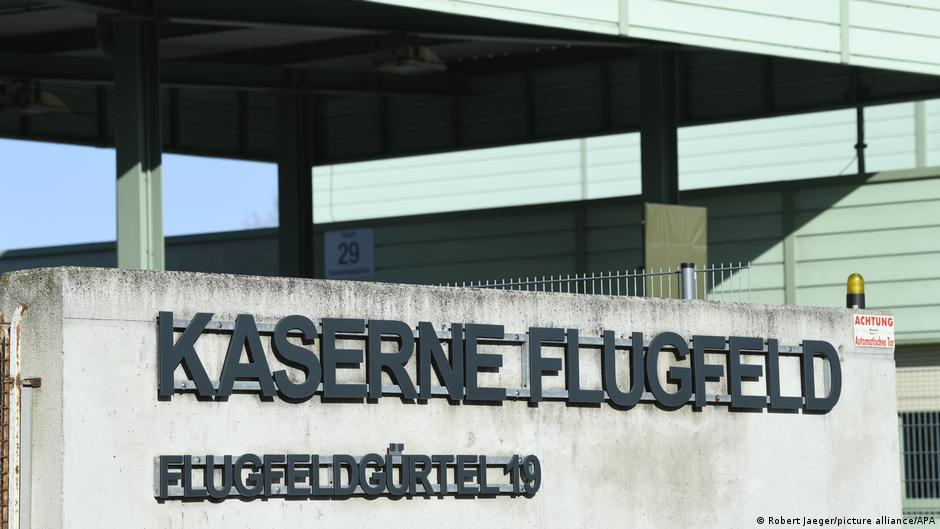
The Austrian government has announced plans to extend the duration of mandatory military service from six to nine months, a move driven by evolving security challenges in Europe. The proposed reform, agreed upon by the ruling coalition, aims to enhance military preparedness through additional field exercises and increased compensation for conscripts.
Impact on Defense and Market Sentiment
Austria's reform includes mandatory field training following the initial six months of basic training, with reservists required to participate in periodic drills over the next decade. The government plans to increase monthly pay for conscripts to €1,000 and introduce paid leave to make military service more attractive. These measures reflect heightened concerns over regional security, including cyber threats and hybrid attacks, especially in light of the ongoing conflict in Ukraine.
"It is insufficient to simply acquire new equipment if our soldiers lack sufficient practical experience," stated Chancellor Christian Schallenberg.
From a capital markets perspective, this policy shift signals Austria's commitment to bolstering its defense capabilities, which could influence investor perceptions of geopolitical risk in the region. Although Austria maintains a position of military neutrality and is not a NATO member, the extension of conscription and enhanced training may be interpreted as a strategic response to increasing uncertainty.
Investors should monitor how these developments affect Austria's fiscal outlook and government expenditures, as defense budgetary adjustments could impact sovereign bonds and public spending priorities. Additionally, the move may have indirect effects on sectors related to defense procurement and cybersecurity.
The measure still requires approval by the Austrian parliament, with the coalition seeking support from opposition parties to secure a two-thirds majority essential for enactment. If passed, the reforms are set to take effect on January 1, 2027.
While the reform currently excludes civil service, plans are in place to allow voluntary extensions of civil service by two months starting in 2027, with mandatory extensions anticipated in 2028 if conscription targets are not met.
Given Austria’s neutral stance, these defense enhancements mark a pivot toward greater preparedness amid evolving European security dynamics, a factor that investors and markets will likely watch closely for potential impacts on regional stability and fiscal policy.