Bolivia and US Resume Anti-Drug Cooperation After 18 Years Impacting Market Sentiment
Bolivia and the United States sign an unprecedented anti-narcotics agreement since 2008, signaling potential shifts in regional stability and investor confidence.
After nearly two decades of diplomatic estrangement, Bolivia and the United States have taken a significant step towards cooperation by signing a new agreement aimed at combating drug trafficking and organized crime. This development could influence capital markets by affecting investor perceptions regarding regional stability and risk exposure.
Details of the Agreement and Market Implications
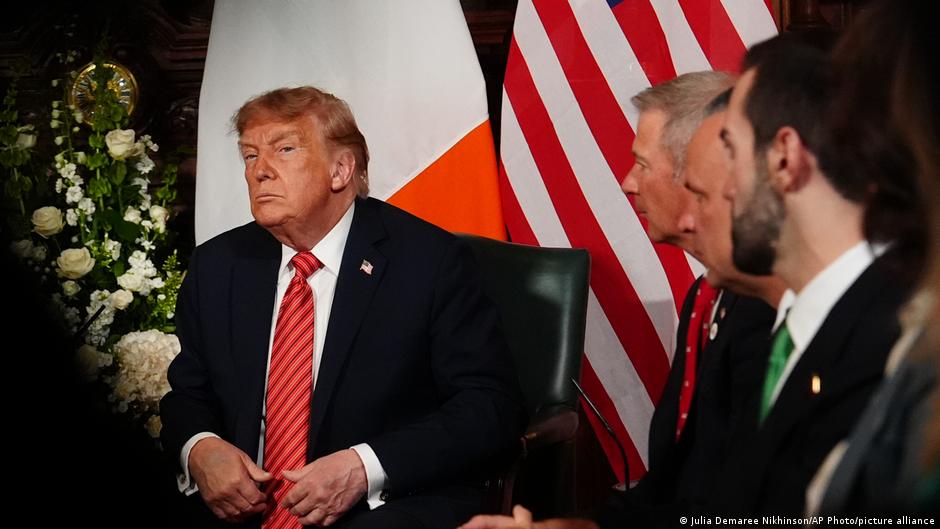
The pact, officially titled the Agreement on Strengthening Bilateral Cooperation in the Fight against Illicit Drug Trafficking and Transnational Organized Crime, was signed by Bolivia's Foreign Minister Fernando Aramayo on June 16. It marks the first formal collaboration between the two countries since 2008, when former Bolivian President Evo Morales severed diplomatic ties and expelled US Drug Enforcement Agency (DEA) personnel.
Under the agreement, the United States will allocate up to $20 million to train Bolivian specialists and supply anti-narcotics equipment. Although US-DEA operations in La Paz have not fully resumed and ambassadorial exchanges remain pending, this cooperation signals a thaw in previously tense relations.
"This new collaboration could reduce risks associated with narcotrafficking in the region, potentially stabilizing investor confidence in Bolivian assets."
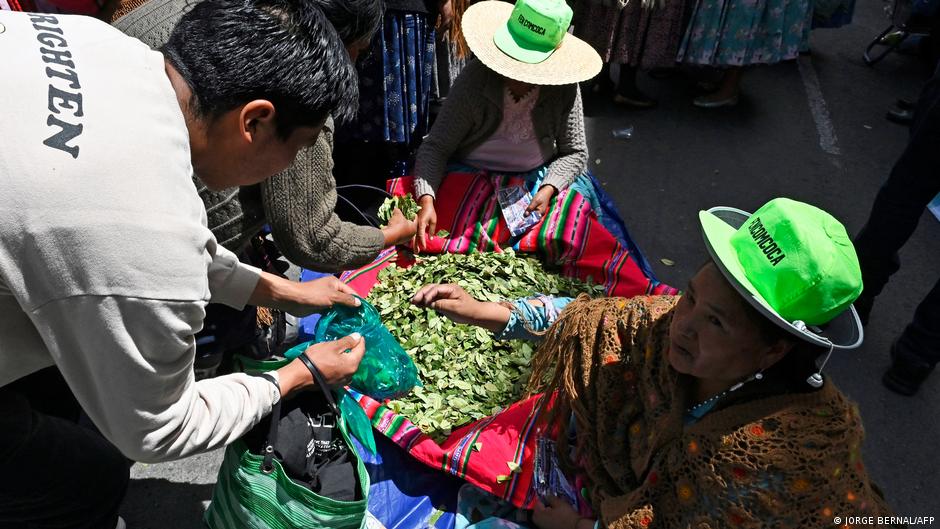
Bolivia is recognized as the world’s third-largest cocaine producer, with coca leaf chewing deeply embedded in its cultural traditions. The renewed cooperation may help curb illicit drug flows, indirectly benefiting the country's economic and security outlook.
Impact on Capital Markets and Investors
Market participants are closely monitoring geopolitical developments that affect regional stability in Latin America. The resumption of Bolivia-US anti-drug collaboration might lead to:
- Improved investor sentiment: Enhanced law enforcement cooperation can be perceived as a positive step towards reducing organized crime risks, which often deter foreign investment.
- Stabilization of Bolivian equities and bonds: As drug trafficking is linked to corruption and violence, its mitigation could improve the operating environment for businesses and government finances.
- Potential shifts in sovereign risk assessments: Credit rating agencies may reassess Bolivia’s risk profile positively if the agreement leads to tangible improvements in governance and security.
However, investors should remain cautious given the fragile diplomatic context and the slow pace of institutional rebuilding, including the absence of a US diplomatic mission in La Paz.
In summary, while the agreement represents a breakthrough in Bolivia-US relations after 18 years, its true impact on capital markets will depend on implementation effectiveness and broader political developments.