Drone Attacks in Russia and Retaliatory Strikes in Ukraine Impact Regional Stability and Markets
Recent drone attacks in Russian regions and subsequent Russian strikes in Ukraine raise concerns for regional security and investor sentiment.

Overnight on June 15, multiple Russian regions, including Tula and the Moscow suburb of Reutov, experienced drone attacks attributed to Ukrainian forces. These events have resulted in civilian casualties, property damage, and heightened geopolitical tensions that reverberate across capital markets.
Impact of Drone Strikes and Regional Security Concerns
In Tula Oblast, the drone strike hit residential areas in the settlements of Yamny, Maslovo, Mikhalkovo, and Inshinsky, damaging private homes and commercial properties. Governor Dmitry Milyaev reported three fatalities and three injuries, including a one-year-old child, all of whom received medical attention.
Separately, in Reutov, a drone attack sparked a fire in an industrial zone. Initial reports suggested the military-industrial enterprise "NPO Mashinostroeniya" was targeted, but later updates clarified that the drone crashed onto the premises of "Mirital," a frozen food manufacturer located approximately 700 meters from the military facility. Moscow Mayor Sergey Sobyanin confirmed the region successfully repelled four drones during the night.
"The night’s attacks underscore the growing reach of drone warfare, posing risks to civilian infrastructure and industrial assets," experts note.
These attacks are symptomatic of escalating hostilities between Russia and Ukraine, with strategic strikes and counterstrikes contributing to a volatile security environment in the region.
Russian Retaliatory Strikes in Ukraine and Market Implications
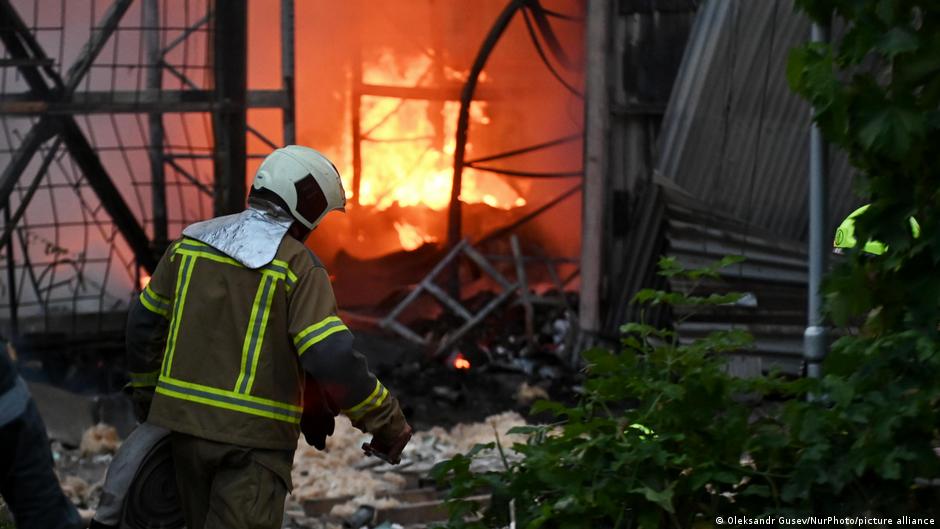
In response, Russian forces launched massed missile strikes across Ukraine, targeting cities such as Kharkiv and Kyiv. In Kharkiv, at least five rescuers died while extinguishing fires caused by the bombardment. Meanwhile, Kyiv experienced power outages affecting approximately 140,000 subscribers, with drone strikes hitting residential buildings and causing at least four fatalities and 23 injuries, according to Kyiv's military administration head Timur Tkachenko.
Notably, Russian attacks also damaged the Kyiv-Pechersk Lavra, a UNESCO World Heritage site, with a significant fire engulfing the historic Assumption Cathedral's roof. Kyiv Mayor Vitali Klitschko highlighted the cultural and symbolic loss amid ongoing conflict.
Market Reactions and Investor Outlook
The intensification of conflict and repeated attacks on civilians and infrastructure have unsettled investors, contributing to volatility in Russian and Ukrainian equities and bond markets. Defensive sectors such as military-industrial complex stocks often see short-term gains amid heightened tensions, but the broader economic outlook remains uncertain.
Regional instability tends to elevate risk premiums for sovereign and corporate bonds, potentially impacting borrowing costs. Energy markets may also be affected by disruptions or fears of supply chain interruptions, influencing commodity prices and related equity valuations.
Investors should remain vigilant of geopolitical developments as these events can quickly alter market sentiment and asset valuations. Diversification and risk management strategies are essential amid ongoing uncertainties.