EU Launches First Negotiation Cluster for Ukraine and Moldova’s EU Accession Talks
The EU commences detailed negotiations with Ukraine and Moldova, marking progress toward membership conditions and impacting regional market confidence.
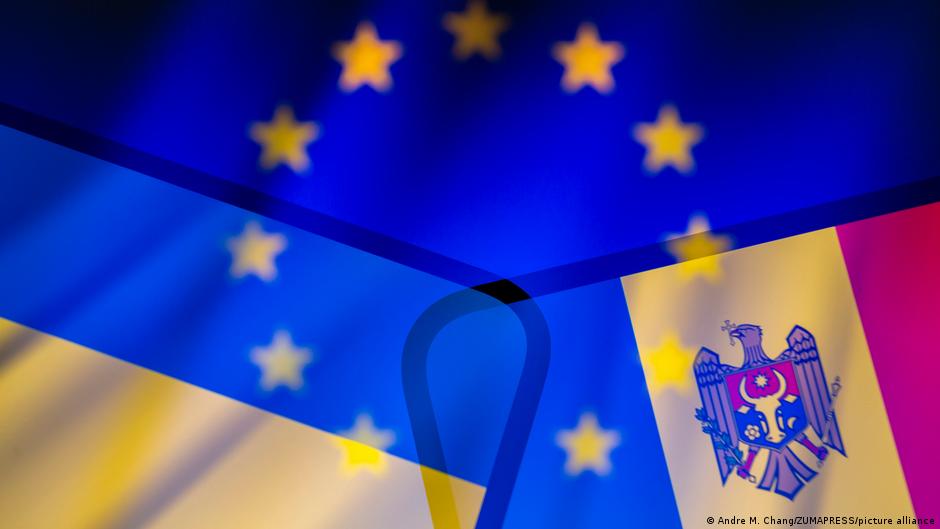
The European Union has officially launched the first negotiation cluster concerning the accession of Ukraine and Moldova to the bloc, signaling a shift from preliminary preparations to substantive discussions on membership conditions.
On Monday, June 15, EU foreign ministers formally opened the initial cluster in Luxembourg, confirming the start of detailed dialogues on the future integration of Ukraine and Moldova into the Union. The announcement was supported by diplomats from Cyprus, which currently holds the rotating presidency of the EU Council.
Marilena Raouna, Cyprus’s Deputy Minister for European Affairs, remarked, "We have all awaited this day for a long time, and today we can finally celebrate. The future of Ukraine and its citizens is firmly tied to the European Union."
Implications for Capital Markets and Investors
The negotiation framework is divided into six thematic clusters, each covering different areas of legislation and public policy. These clusters serve as a basis for the EU to assess the candidate countries’ readiness to adopt EU rules and standards.
The opening of the first cluster marks a tangible step forward in evaluating Ukraine and Moldova’s alignment with EU law and initiating necessary reforms. This progress is closely monitored by investors, as it has implications for the political and economic stability of the region.
"The future of Ukraine and its citizens is firmly tied to the European Union," said Marilena Raouna, highlighting the strategic importance of EU accession talks.
Capital markets typically respond positively to advancements in EU accession talks due to the enhanced prospects for economic integration, regulatory alignment, and potential access to EU structural funds. Equity markets in the region may see increased investor confidence, benefiting sectors linked to infrastructure, manufacturing, and financial services.
Bond markets could also react favorably, as improved political stability and stronger governance frameworks reduce sovereign risk premiums. This can lead to better credit ratings and lower borrowing costs for Ukraine and Moldova, which is crucial for financing economic development and reforms.
However, investors should remain cautious as accession talks are complex and protracted. The pace of reforms, geopolitical risks, and broader European political dynamics will influence market sentiment. Monitoring progress across all negotiation clusters will be essential for assessing long-term investment opportunities.
In summary, the launch of the first EU negotiation cluster for Ukraine and Moldova represents a significant milestone. It underlines the EU’s commitment to eastern enlargement and sets the stage for deeper economic integration, which could provide substantial upside for capital markets and investors focused on the region.