European Leaders Praise US-Iran Deal, Highlight Market Stability and Nuclear Concerns
France, Germany, UK, and Italy welcome US-Iran agreement, emphasizing regional stability and nuclear non-proliferation amid market implications.
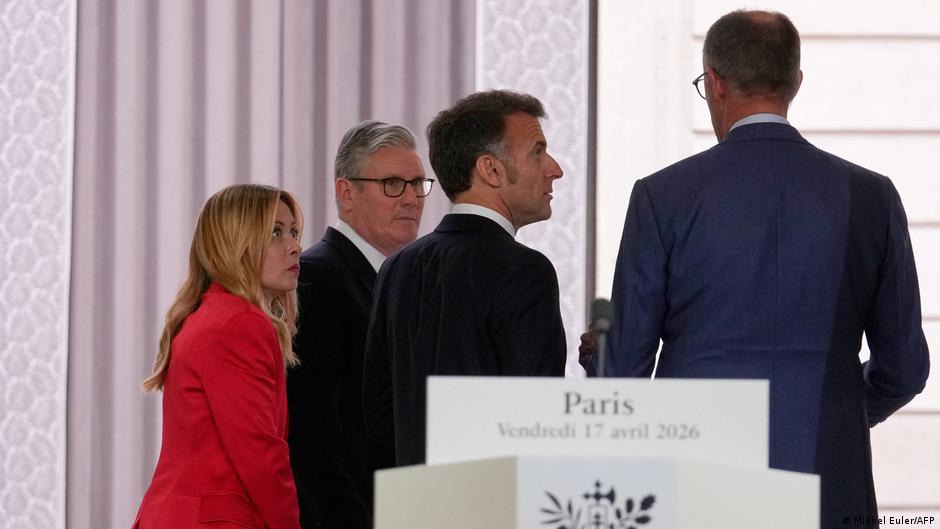
Leaders of France, Germany, the United Kingdom, and Italy have welcomed the forthcoming signing of a peace agreement between the United States and Iran, describing it as a significant step toward ending conflict and stabilizing global markets.
The heads of state and government from these four European powers issued a joint statement on June 15, ahead of the planned June 19 signing, underscoring the accord's potential to restore regional stability and contribute to the stabilization of the global economy.
Market Implications and Strategic Shipping Routes
The leaders highlighted the importance of swift and comprehensive implementation of the agreement. A key focus is the immediate restoration of navigation through the Strait of Hormuz, a critical chokepoint for global fuel supplies. They expressed readiness to support these efforts, including participating in mine clearance operations in this vital maritime artery.
"We are prepared to support efforts to promptly restore navigation through the Strait of Hormuz, essential for global fuel markets," the statement read.
From a capital markets perspective, the reopening and securing of the Strait of Hormuz could ease volatility in oil prices, a factor that has previously caused fluctuations in energy equities and bond markets worldwide. Investors are closely monitoring these developments, as the reduction in geopolitical risk could improve energy sector performance and market sentiment broadly.
UK Prime Minister Keir Starmer emphasized that freedom of navigation should be restored "without any tolls," a stance aimed at preventing additional economic burdens on global trade and energy flow. He noted that this measure is critical to mitigating the broader economic impacts stemming from the US-Israel-Iran tensions.
French President Emmanuel Macron expressed concerns regarding Iran's nuclear and ballistic missile programs. Starmer took a firmer position, reiterating the shared view that "Iran must never possess nuclear weapons," a principle echoed in the joint European statement.
The European leaders committed to working alongside the US, Iran, and the International Atomic Energy Agency (IAEA) to ensure strict adherence to nuclear non-proliferation. They indicated a willingness to lift relevant sanctions contingent on verifiable and transparent steps taken by Iran concerning its nuclear program.
For investors, these diplomatic assurances may reduce the risk premium embedded in equities and bonds sensitive to Middle Eastern instability. Energy markets, defense sectors, and emerging market assets tied to the region could see recalibrated valuations as political risk diminishes.
Overall, the deal signals a tentative but hopeful move towards de-escalation, with potential positive ripple effects for global capital markets and investor confidence.