G7 Nations Announce New Sanctions on Russian Energy and Increased Military Aid to Ukraine
G7 leaders commit to intensified sanctions on Russian oil and gas sectors and pledge enhanced weapons support for Ukraine.
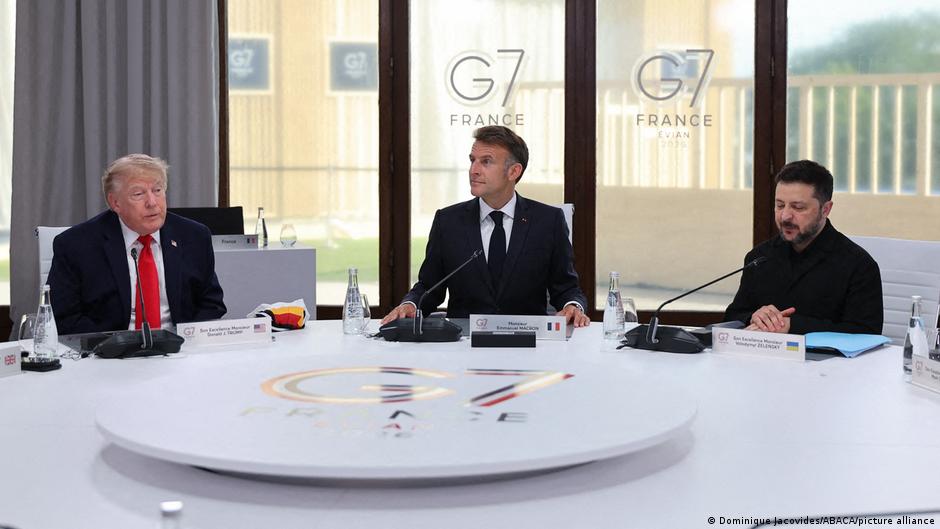
Following their summit in Évian-les-Bains, G7 leaders have pledged a new wave of sanctions targeting Russia's oil and gas industries, alongside increased military assistance to Ukraine, according to the final communique released on June 17.
Market Implications of G7’s Sanctions and Support Measures
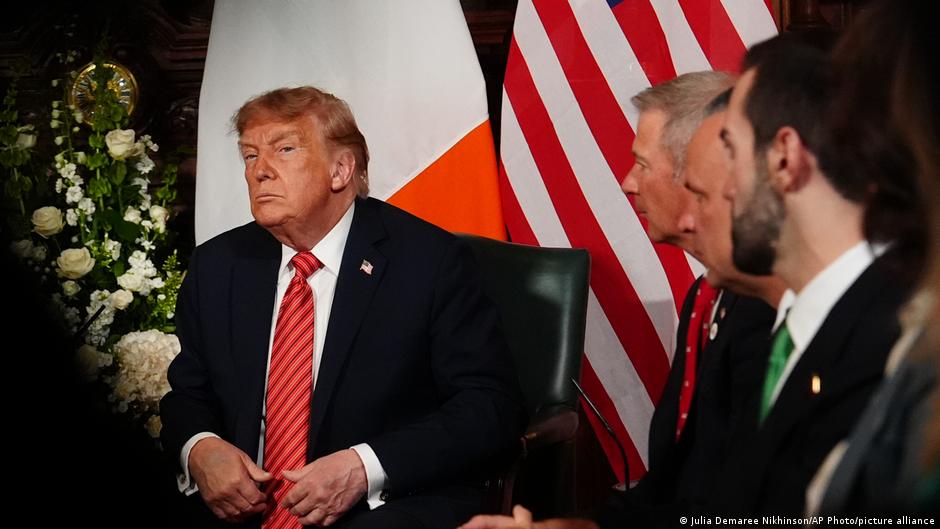
The G7, comprising Germany, the United States, the United Kingdom, France, Italy, Japan, and Canada, declared their intention to intensify economic pressure on Russia by expanding sanctions focused on its energy sector. This move comes at a strategic moment, as former U.S. President Donald Trump secured an agreement with Iran to reopen the Strait of Hormuz, a crucial transit route for global oil and gas supplies.
"We commit to increasing pressure on Russia's military economy, including strengthening sanctions against the oil and gas sector," the statement read. Investors should anticipate heightened volatility in energy markets, particularly in oil and gas equities and related bond markets, as supply-side concerns could intensify due to these measures.
"The G7 nations are unified in their unwavering support for Ukraine's sovereignty and are prepared to bolster its defense capabilities with advanced weaponry."
This renewed level of sanctions targeting energy exports may constrain Russian revenues, potentially impacting global energy prices and creating ripple effects across commodities markets. Equity investors are advised to closely monitor energy sector stocks and geopolitical developments that could influence commodity supply chains.
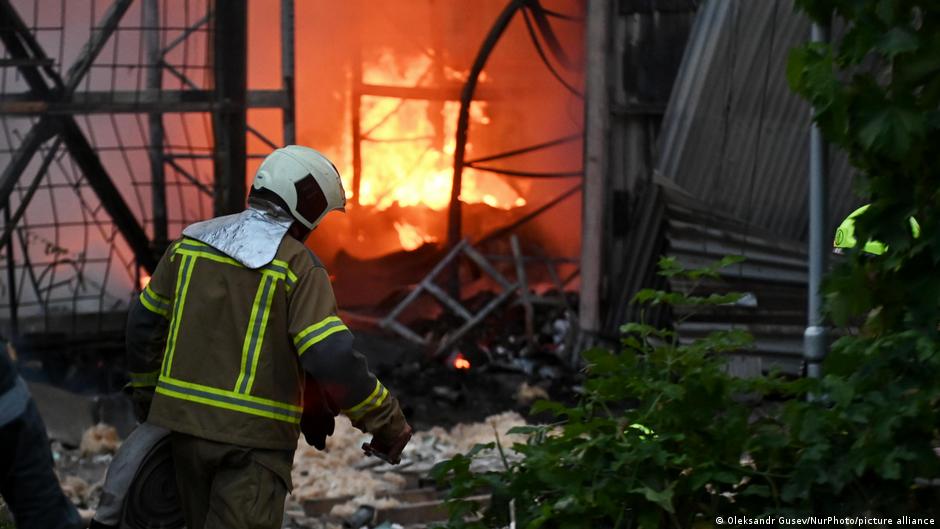
Furthermore, the G7 leaders emphasized their solidarity with Ukraine, recognizing the country’s resilience amid ongoing infrastructure attacks and highlighting recent military gains. To capitalize on this "new dynamic," member countries have agreed to increase the provision of air defense systems, interceptors, and long-range weaponry to Ukraine.
From a capital markets perspective, increased military aid could shift risk sentiment, particularly in defense and aerospace sectors, as production and exports of military hardware accelerate. Investors may observe increased government contracts and spending in these industries, potentially influencing equities and corporate bond performance.
The G7 also indicated plans to consider licensing arrangements to expand military production capabilities within Ukraine itself. This approach could foster growth and investment opportunities in Ukraine’s defense manufacturing sector, albeit with inherent geopolitical risks.
Finally, the G7 pledged continued support for Ukraine's energy sector to help the country endure the upcoming winter. Given the heightened focus on energy security, this support may translate into additional financial assistance and infrastructure investments, influencing related markets.
In summary, the G7’s latest commitments signal an escalation in the geopolitical landscape affecting capital markets. Energy and defense sectors are positioned at the forefront of this evolving context, with investors advised to remain vigilant regarding emerging risks and opportunities stemming from these developments.