Huawei Conviction Adds Legal and Sanctions Risk for Telecom Investors
A US jury found Huawei guilty on 10 of 12 counts, raising the prospect of financial penalties and renewed scrutiny of telecom supply chains.
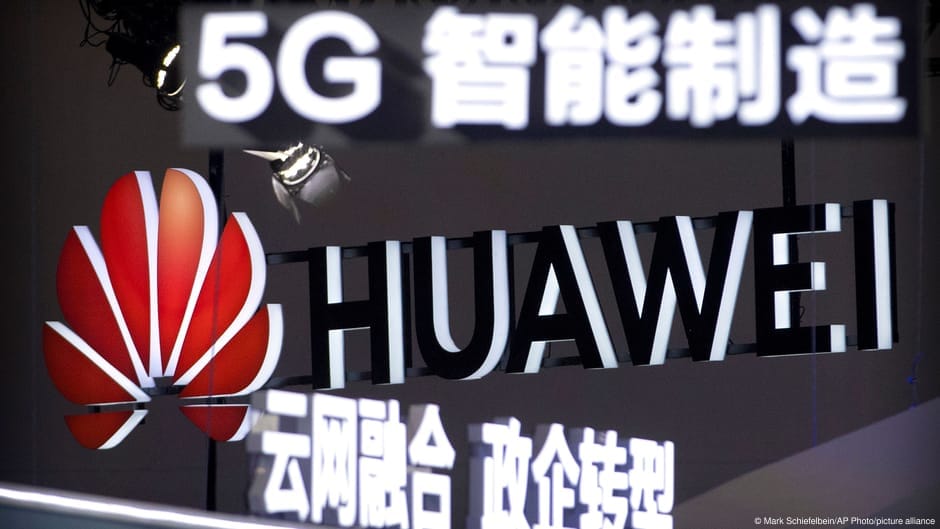
A federal jury in Brooklyn found Huawei guilty on 10 of 12 criminal counts, including charges involving the theft of trade secrets, bank fraud and efforts to circumvent US sanctions on Iran. For capital markets, the verdict adds another layer of legal, regulatory and geopolitical risk to a telecommunications sector already shaped by restrictions on Chinese technology suppliers.
The Chinese telecommunications equipment group was convicted of conspiracy to steal trade secrets and conspiracy to defraud the United States, among other offenses. The jury, however, acquitted Huawei of racketeering conspiracy, rejecting the US Justice Department’s central contention that the company had operated as a criminal enterprise. Huawei was also cleared of conspiracy to obstruct justice.
The trial lasted 11 weeks, followed by a week of jury deliberations. Huawei’s lawyer said the company would challenge the guilty findings. In a statement issued overnight on November 25, Huawei called the verdict “baseless” and said it would take the “necessary” legal steps.
Financial Penalties Become the Immediate Investor Focus
Huawei has effectively been barred from selling its products in the United States since 2019, limiting the direct commercial impact of the Brooklyn decision on its existing US operations. The more immediate variables for investors are the scale of any financial punishment, the duration of the appeals process and the potential reputational effect on Huawei’s business outside the US.
A severe financial penalty could pressure the company even without a significant US revenue base. The conviction may also complicate negotiations with customers, lenders and suppliers in markets where governments are reviewing the security of telecommunications infrastructure. The New York Times assessed that both a strict financial punishment and the stigma attached to a criminal conviction could impede Huawei’s business.
There was no market-reaction data in the initial reports, and Huawei is not publicly traded. Investors therefore have no directly listed Huawei equity through which to express a view on the verdict. The implications are more likely to be reflected indirectly in listed telecom operators, network-equipment manufacturers, semiconductor suppliers and companies exposed to US-China trade restrictions.
The verdict does not restore Huawei’s access to the US market, but it raises the legal and reputational cost of doing business with the company.
Prosecutors alleged that Huawei’s management encouraged employees to steal intellectual property from US and other companies. According to the case, trade secrets were taken from T-Mobile, Cisco and other businesses. The information apparently enabled Huawei to develop comparable products and sell them at lower prices, potentially affecting the competitive position and pricing power of rival equipment makers.
Supply-Chain and Policy Risks Extend Beyond the Courtroom
Western intelligence services have also suspected that Huawei telecommunications equipment could be used for espionage on China’s behalf. Huawei denies those allegations. The criminal verdict concerns the charges decided in Brooklyn, but investors are likely to view it alongside the broader security debate that has already influenced procurement policies and network investment across Western markets.
In the European Union, and particularly in Germany, authorities have debated the potential security risks associated with Huawei equipment for years. In the summer of 2024, Germany’s federal government reached an agreement with mobile-network operators under which Huawei-made components cannot be used in core networks or in certain software controlling radio-access networks from the end of 2026.
That timetable matters for telecom equities and credit investors because replacing network components can affect capital expenditure, procurement schedules and vendor relationships. It may also shift demand toward competing suppliers. The source material does not quantify those costs or identify specific beneficiaries, leaving investors to assess the exposure of individual operators and equipment makers.
Huawei’s supporters have long maintained that the campaign against the company is politically motivated and represents retaliation for China’s effort to build 5G networks worldwide. The verdict may deepen that divide, reinforcing the possibility that telecommunications supply chains will continue to fragment along geopolitical lines.
Iran Sanctions Case Has a Longer History
The Iran-related allegations also connect the verdict to an earlier confrontation involving Huawei’s finance chief, Meng Wanzhou, the daughter of the company’s founder. Canadian authorities detained Meng in Vancouver on December 1, 2018, at the request of the United States over suspected violations of Washington’s trade sanctions against Tehran.
A court in British Columbia released her on bail on December 11, 2018. Bail was set at $7.5 million, or €6.6 million, and the conditions required Meng to wear an electronic monitoring bracelet, surrender her passport, remain within Vancouver and stay at one of her two homes in the city between 11 p.m. and 6 a.m.
Meng was released in September 2021 after reaching an agreement with US authorities seeking her extradition, allowing her to return to China. According to The New York Times, she acknowledged at the time that Huawei had misled a bank about its dealings with Iran.
For investors today, the Brooklyn verdict is chiefly a risk-pricing event rather than a direct earnings shock. Sentencing, possible financial sanctions and Huawei’s promised legal challenge will determine the ultimate corporate impact. Until those questions are resolved, the decision is likely to reinforce scrutiny of telecom supply chains, sanctions compliance and the geopolitical discount applied to companies exposed to US-China technology tensions.



