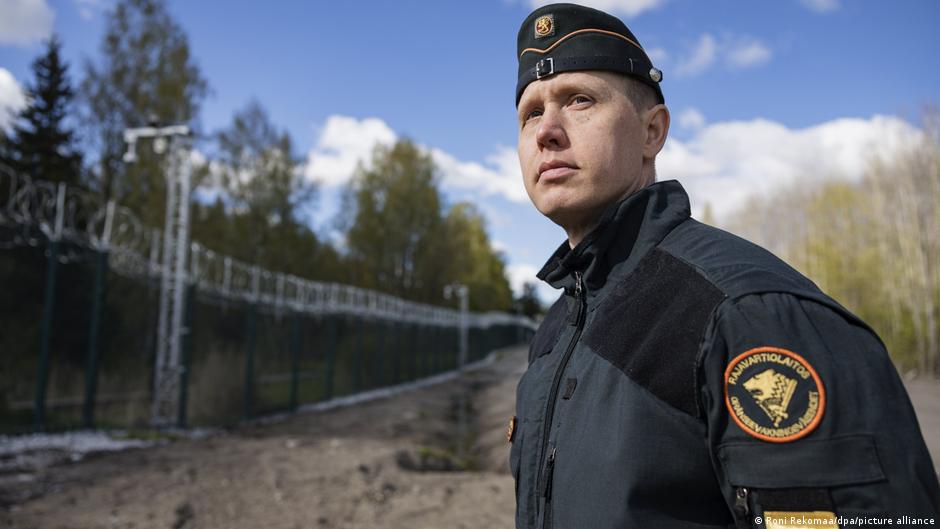
Finland Completes 200-Kilometer Russia Border Fence as Security Risks Persist
Finland’s completed Russia border fence signals how security spending and geopolitical risk remain central to European market calculations.
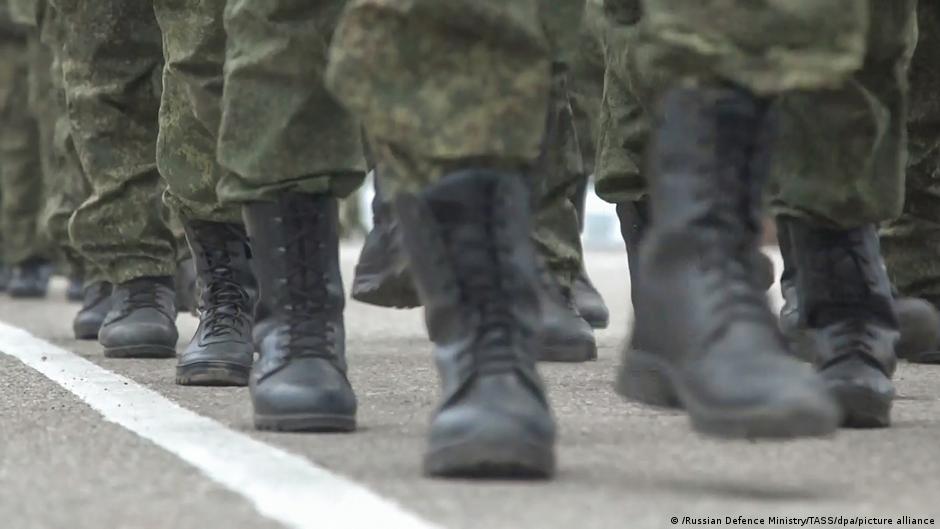

Finland’s completed Russia border fence signals how security spending and geopolitical risk remain central to European market calculations.

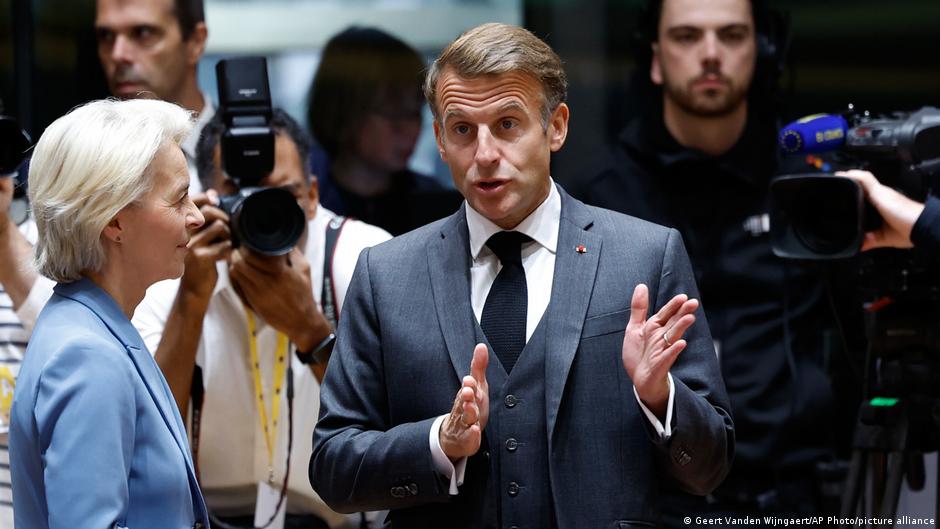
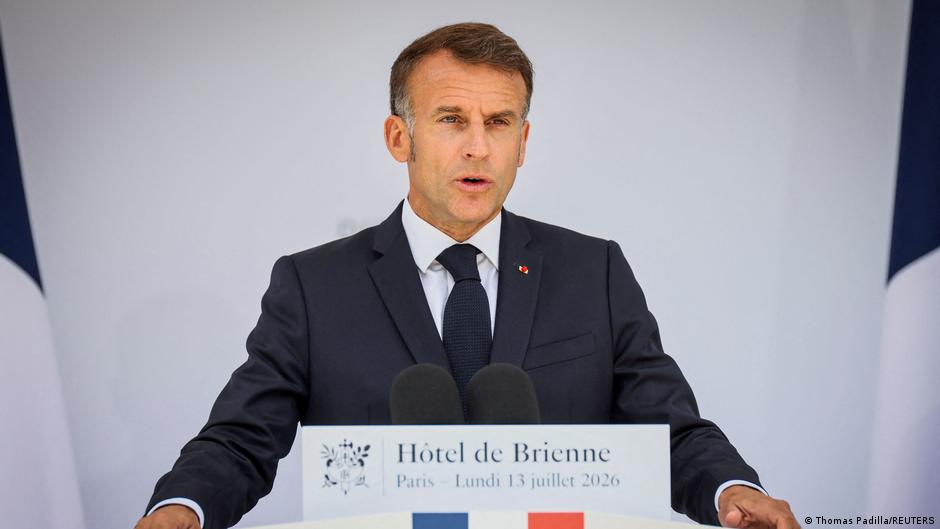
Macron is pushing for an EU-wide under-15 social media ban, raising fresh regulatory questions for tech investors and advertisers.

The EU canceled a planned defense expert group after German and Italian resistance, adding execution risk to Europe’s defense spending outlook.

Germany plans new drone and cyber defenses after the Leipzig airport incident, raising investor focus on infrastructure, defense and security costs.

Volkswagen approved a sweeping 2030 restructuring plan with 50,000 job cuts, heavy investment and a drive to lift profit and capital efficiency.

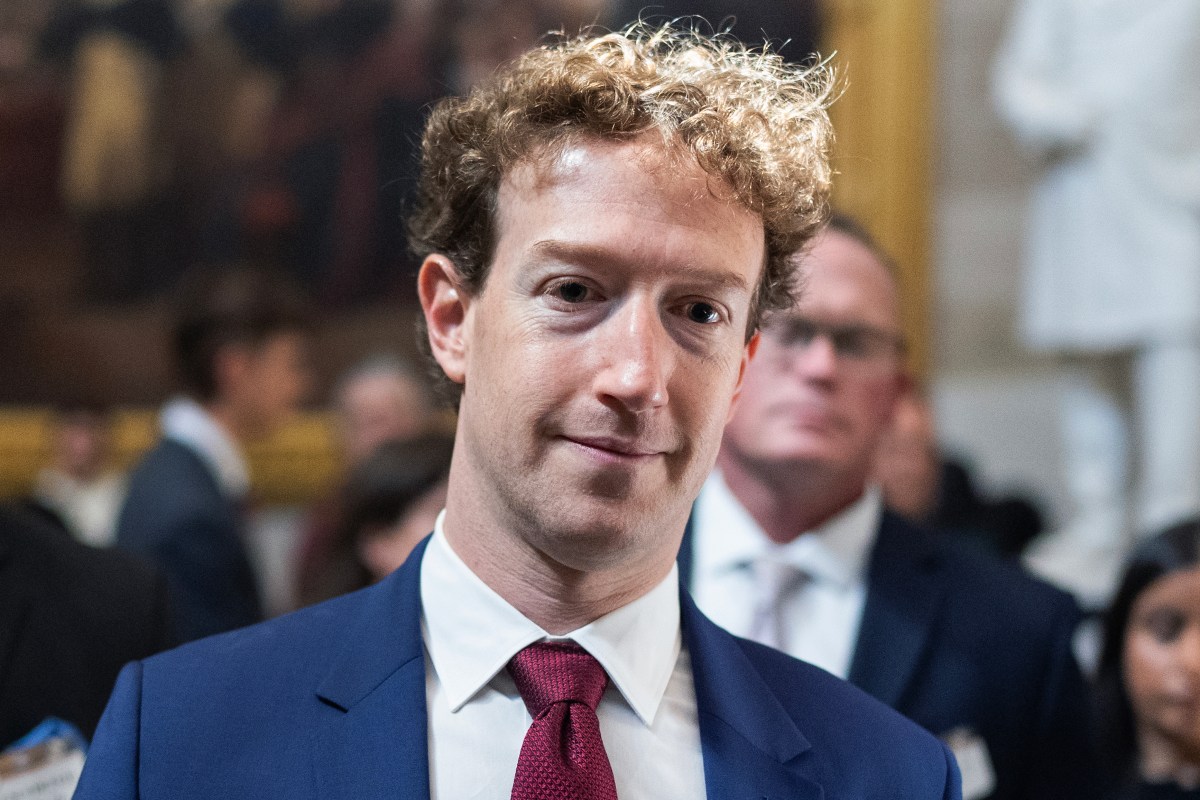
Meta's $18 billion settlement on child safety introduces operational challenges and privacy risks, impacting investor outlook amid evolving regulatory demands and technology hurdles.

The Cl0p hacker group linked to Russia claims data theft from 50 major firms, raising cybersecurity and market risk concerns among investors in equities and bonds.

US tariffs up to 100% on drone imports introduce risks and opportunities for investors in defense and technology sectors amid supply chain realignments.

A rise in drone activity near German military bases amid the Ukraine conflict fuels security concerns and prompts government investment in counter-UAV tech, impacting defense market sectors.

U.S. defense firms warn that Ukrainian production licenses for Patriot missiles could impact market dynamics, intellectual property, and investor risk amid ongoing conflict.

Germany steps up defenses against hybrid warfare with new drone threat research center after explosive drone incident, impacting defense sectors and investor risk outlook.

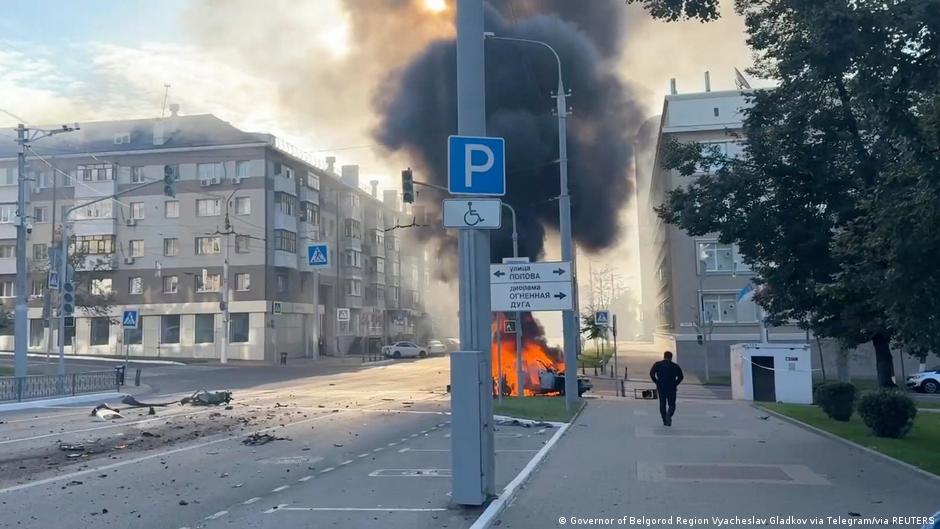
Drone attacks on Russia's Belgorod caused injuries and infrastructure damage, raising concerns among investors about regional stability and market volatility.

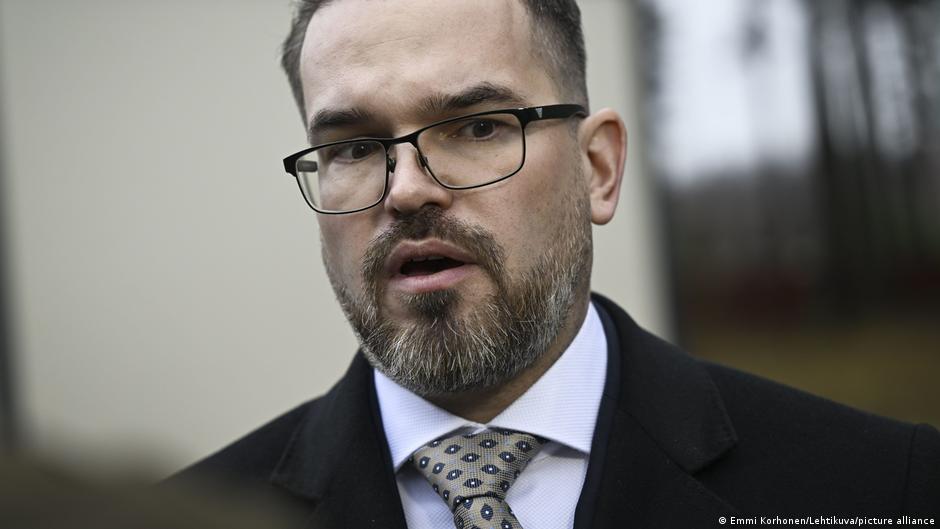
Lithuanian Defense Minister warns Russia may use captured Ukrainian drones to target Baltic infrastructure, raising security concerns and impacting regional markets.

Humo’s net profit soared 3.3 times to UZS 410.9 billion in H1 2026 despite rising tax expenses, signaling strong revenue growth but cautioning investors on tax policy impacts.
Uzbekistan’s digital reforms promise to boost IT and telecom sectors, streamline public administration, and enhance investor opportunities in equities and bonds.

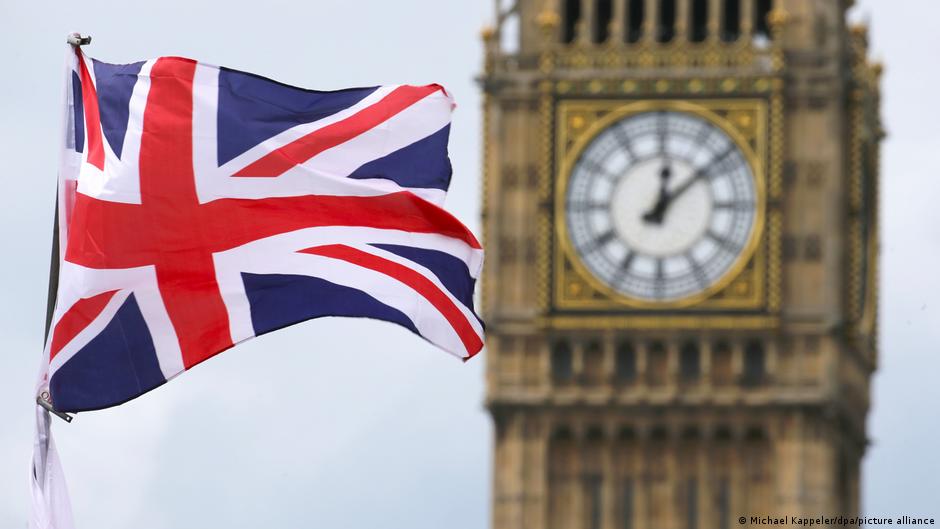
The UK has transferred Stone Cloak EW system IP rights to Ukraine, enabling local production and affecting defense sector equities and investor confidence amid geopolitical tensions.

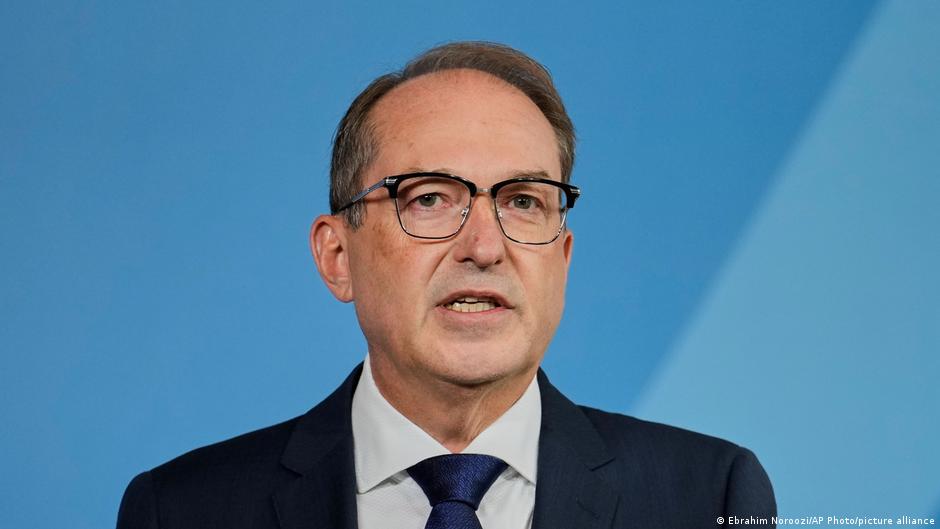
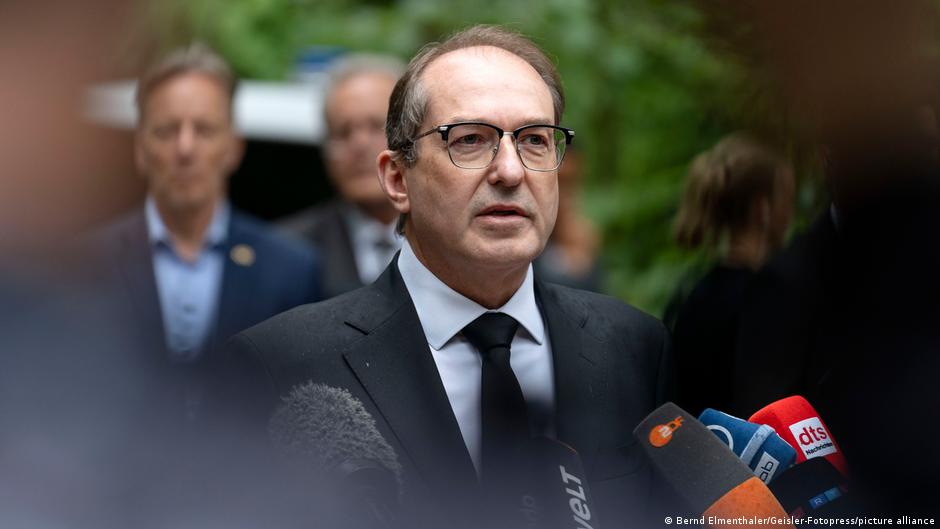
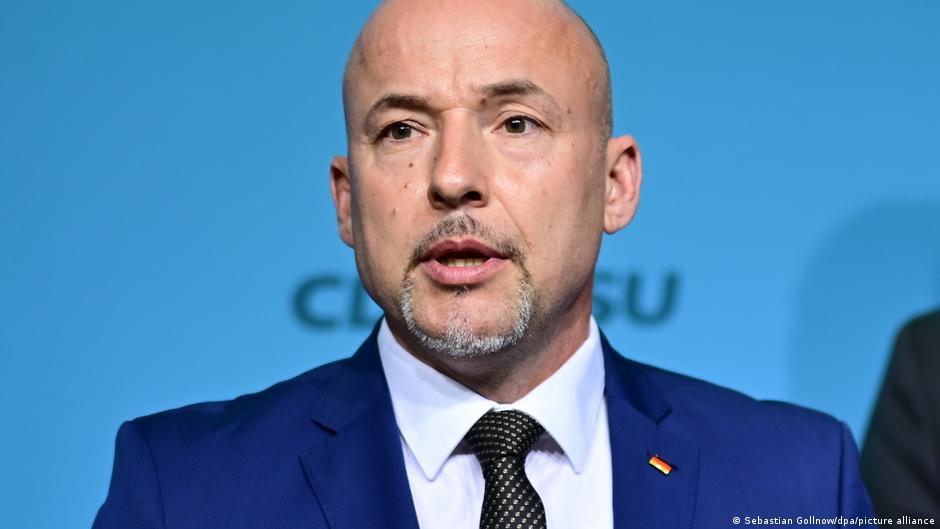
German CSU leader urges Ukraine to share advanced drone technologies with Germany, highlighting potential impacts on defense equities and military production markets.

The EU summons Russia's envoy after missile strikes near Kyiv, signaling expanded sanctions that may affect defense sector equities and bond markets amid rising geopolitical risks.

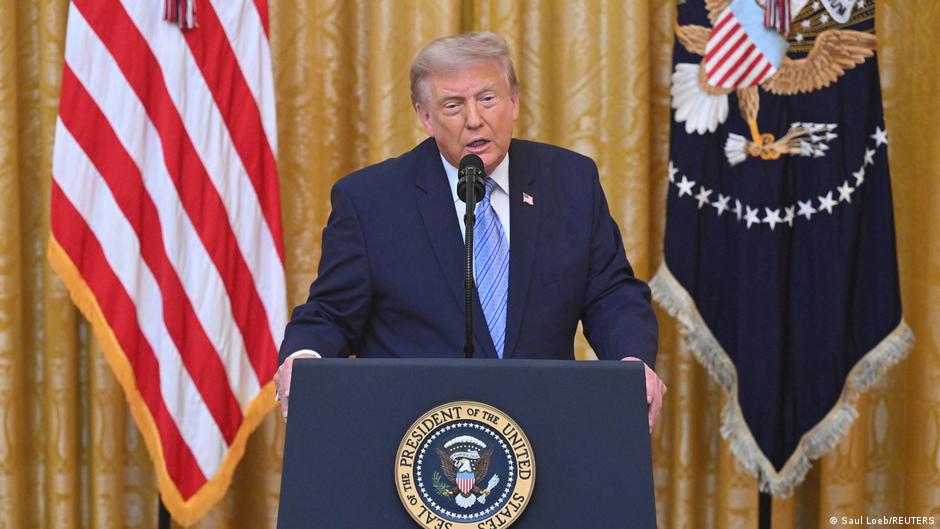
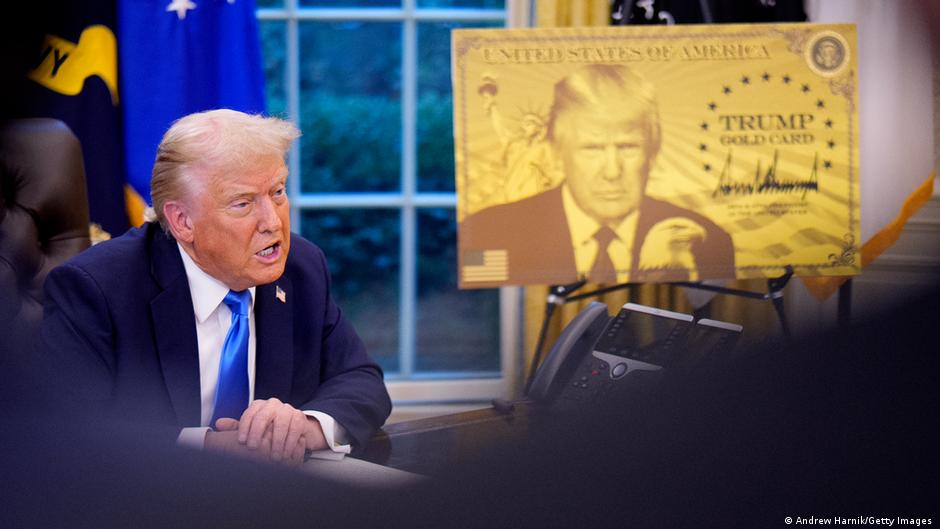
Trump accuses China of accessing data on 220 million US voters and interfering in the 2020 election, raising concerns about election security and political risk in markets.

CIA Director reveals that AI-powered drones have reduced Russian soldiers' battlefield survival in Ukraine to 20-30 minutes, significantly impacting military losses and market risk.

The EU recommends withholding €2 million funding from the Venice Biennale due to Russia's participation, highlighting political risks affecting cultural financing and market stability.

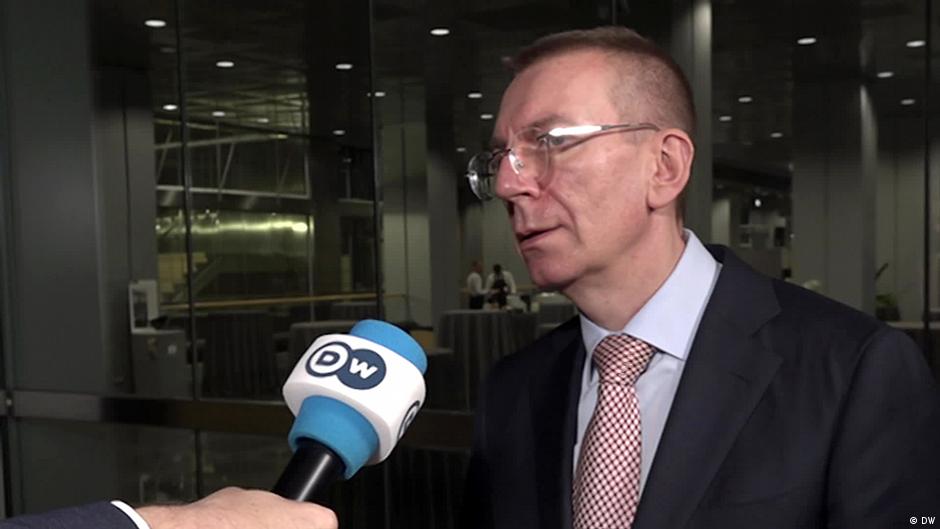
Latvian President warns NATO to prepare for Russia escalation, highlighting defense spending gaps and potential impacts on defense equities and investor strategies.

Two German businessmen admitted violating EU sanctions by exporting machinery components to Russia via shell companies, raising compliance risks for investors.

Germany faces a sharper labor shortage of 4.3 million by 2036 due to retiring baby boomers and declining immigration, affecting workforce-dependent sectors and investor strategies.

Iran has replenished about 75% of its missile arsenal, likely aided by new Russian missile deliveries, fueling geopolitical risks that affect defense equities and energy markets.

SpaceX’s record $75 billion IPO values the company at $1.77 trillion, reshaping capital markets with its scale and investor appeal despite recent losses.

US Congress approved $70 billion in funding for immigration enforcement agencies, reducing uncertainty for investors in border security-related markets.

A US court invalidated Trump-era $100,000 H-1B visa fee, lowering costs for companies hiring skilled foreign workers and easing investor concerns in tech sectors.

Russian citizen Tatiana Kurashkevich was arrested in Georgia for sanctions evasion in an FBI-backed investigation, signaling increased enforcement risks for global markets.

EU plans to restrict Microsoft and Google from government cloud tenders in strategic sectors, potentially impacting their market dominance and investor outlook.

Russia's military cooperation agreement with the Taliban raises geopolitical risks, potentially impacting Russian defense equities, sovereign bonds, and investor confidence amid sanctions.

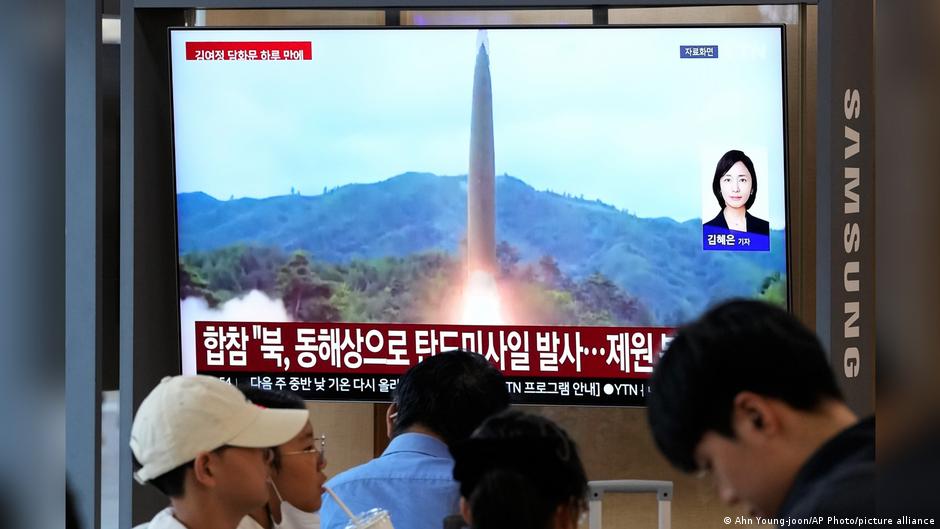
North Korea's recent missile tests have triggered cautious market reactions, affecting equities and bonds in the region amid rising geopolitical risks.

SpaceX’s planned $75 billion IPO on Nasdaq could become the largest ever, revealing new financial details and presenting key investment opportunities and risks for capital markets.

Trump reports no positive outcome from China talks on Jimmy Lai's 20-year sentence, underscoring geopolitical risks impacting Hong Kong and Chinese capital markets today.

Ukraine’s enhanced defense partnership with Germany boosts market confidence amid conflict, signaling stronger security and investment potential.

Trump and Xi Jinping meet in Beijing to discuss Iran, trade, and Taiwan, with investors closely watching for impacts on global markets and trade relations.

Ukraine offers long-range drones and missiles to NATO, potentially filling capability gaps and impacting defense markets and investor outlooks amid shifting European missile strategies.

The Pentagon's release of 161 declassified UFO files raises questions about their potential impact on defense equities and investor sentiment in capital markets.

Poland signs a €44 billion EU loan agreement under the SAFE defense program, impacting equity and bond markets as the country accelerates military modernization and expands sovereign borrowing.

Uzbek banks reported a 30.88% rise in deposits in Q1 2026, led by Octobank's 416% surge, indicating growing market confidence and liquidity for investors.

US State Department approves $374M JDAM-ER kit sale to Ukraine, boosting defense equities amid operational challenges and ongoing geopolitical tensions.

Germany accelerates its own long-range missile development to counter Russian threats after the US declines to deploy Tomahawk missiles, impacting defense sector markets.

Renewed Russian drone and missile attacks on Ukrainian regions have spurred volatility in equities and bonds, affecting investor risk assessments.

Germany blames Russia for phishing attacks through Signal targeting politicians and officials, raising concerns about cybersecurity risks affecting market confidence.

Tencent and Kaspi.kz’s leadership acquired 6 million shares, signaling strong confidence in the fintech giant’s growth and expanding market presence.

France and Poland are jointly developing a military satellite to enhance secure communications and reduce reliance on Starlink, boosting European defense autonomy by 2030.

Russia's intimidation tactics targeting German defense firms involved in Ukraine arms supplies heighten hybrid threat risks, affecting market stability and investor confidence.

Germany's Koblenz Bundeswehr Military Museum has restricted access for Uzbek and other Central Asian nationals, citing security regulations affecting cultural tourism and market perceptions.

BBC plans to cut about 10% of staff over two years amid declining license fee revenues and rising competition from global streaming platforms.