Trump-Si Jinping Meeting in Beijing Spurs Focus on US-China Trade and Security Risks
Trump and Xi Jinping discuss strategic issues including Iran, trade, and Taiwan amid investor concerns over market stability.
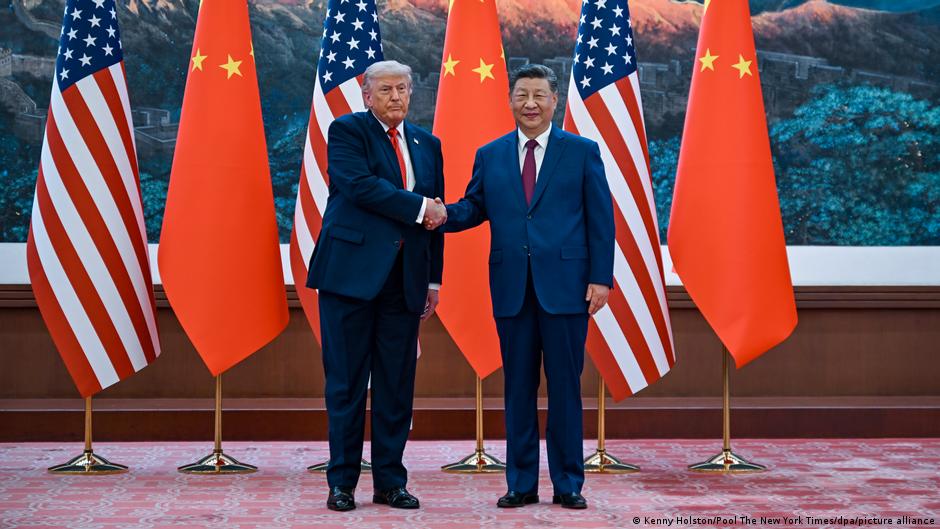
On May 14, US President Donald Trump arrived in Beijing where he was greeted with full military honors by Chinese President Xi Jinping. The high-profile meeting takes place against a backdrop of complex geopolitical tensions and economic challenges, with key discussions expected on Iran, Taiwan, and bilateral trade relations.
Market Implications of US-China Summit
Investor focus is sharpening on how these talks may influence capital markets globally. The presence of senior US officials, including Secretary of State Marco Rubio, Treasury Secretary Scott Bessent, and Pentagon Chief Pete Hegseth, alongside major business figures such as Apple CEO Tim Cook and Tesla's Elon Musk, underscores the significance of the summit for both government policy and corporate strategy.
"China and the US should be partners, not competitors," Xi stated, emphasizing a cooperative approach to global challenges that could impact market confidence.
The agenda includes the US-Israel conflict with Iran, where Washington seeks China's cooperation to lift Iran's blockade of the Strait of Hormuz, a critical chokepoint for global oil shipments. The blockade's resolution is crucial for energy markets, potentially easing acute supply concerns that have pressured commodity prices and contributed to inflationary trends globally.
China's vested interest in clearing the Strait stems from its reliance on exports and the detrimental effects the energy crisis has had on demand for Chinese goods. Any breakthrough could stabilize energy prices and reduce supply chain disruptions, which would be positive for equity and bond markets.
Trade tensions also remain central. Following an agreement last October in South Korea to remove barriers on rare earth exports and reduce tariffs linked to the fentanyl crisis, investors anticipate further progress in easing trade frictions. Such developments could benefit technology and manufacturing sectors, especially companies heavily involved in US-China supply chains.
However, discussions around Taiwan add an element of geopolitical risk. Heightened uncertainties could weigh on investor sentiment, particularly in Asian markets, affecting equity valuations and bond yields as risk premiums adjust.
Trump's visit—the first since 2017—signals a potential shift or at least a recalibration in US-China relations, which investors will monitor closely for indications of policy continuity or change, influencing portfolio allocations across asset classes.
Overall, the summit's outcomes may either alleviate or exacerbate existing market volatilities, offering both risks and opportunities for global investors navigating a complex macroeconomic landscape.