Latvian Government Coalition Collapses Following Defense Minister’s Resignation Amid Security Concerns
Latvia’s ruling coalition falls apart after Defense Minister Sprūds resigns over drone incident, raising political instability ahead of elections.
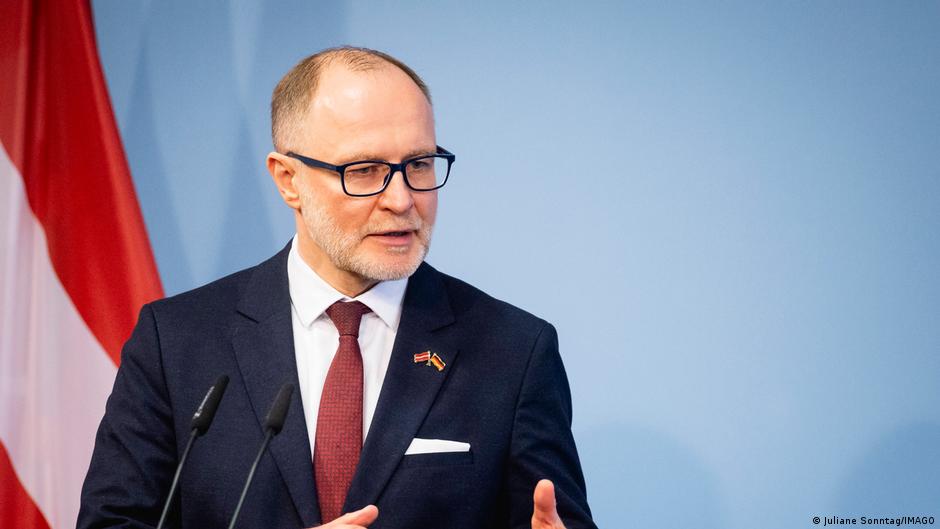
Latvia’s ruling coalition, comprising the New Unity, Progressive, and Union of Greens and Farmers parties, officially disintegrated on May 13 following the resignation of Defense Minister Andris Sprūds. The resignation was prompted by a security breach involving two drones entering Latvian airspace, allegedly en route from Ukraine to Russia, which exposed vulnerabilities in the country’s defense apparatus.
Market Implications of Political Instability
From a capital markets perspective, the sudden breakdown of the coalition has introduced heightened political risk into Latvia’s near-term outlook. The coalition’s collapse places Prime Minister Evika Siliņa’s administration in a precarious position just five months before scheduled parliamentary elections. Investors are closely watching developments, as government instability could impact Latvia’s fiscal policy and defense commitments in an already tense European geopolitical environment.
"Latvia cannot afford instability with European security challenges mounting," President Edgars Rinkēvičs stated, emphasizing the need for a decisive government supported by parliamentary consensus.
The Progressive party’s parliamentary faction leader, Andris Šuvajevs, declared the government incapacitated after unsuccessful talks with the Prime Minister. With the Progressives withdrawing support, the coalition’s parliamentary majority evaporates, leaving the government with only 41 out of 100 seats against an opposition bloc holding 47. This shift raises the likelihood of a no-confidence vote, which opposition parties have already signaled their intention to initiate.
Bond and equity markets in Latvia and the broader Baltic region may experience increased volatility as investors reassess country risk premia amid political uncertainty. The potential for a government reshuffle or early elections could delay or alter fiscal strategies, particularly related to defense spending, which is critical given the ongoing regional security concerns.
Defense Sector and Investor Concerns
The resignation of Defense Minister Sprūds specifically undermined confidence in Latvia’s military leadership. Prime Minister Siliņa cited lost trust and the armed forces’ failure to "keep the promise of a secure sky." She proposed appointing Colonel Raivis Melnis, a professional military officer, to restore credibility in the Ministry of Defense. However, the Progressive party’s reluctance to immediately endorse this move reflects deeper political fragmentation.
For investors, the defense sector’s stability is pivotal. Latvia’s commitment to bolstering its defense capacity amid escalating tensions in Eastern Europe is a key factor in market confidence. Any disruptions in leadership or policy execution raise concerns over potential delays in defense procurement and spending, which may have knock-on effects on related industries and sovereign creditworthiness.
President Rinkēvičs has called for swift consultations with parliamentary factions to form a new government capable of decisive action. His appeal underscores the urgency of political stability to maintain investor confidence and ensure Latvia’s timely response to evolving security threats.
Overall, market participants should watch for developments in coalition negotiations, potential votes of no confidence, and the appointment of a new Defense Minister. These political dynamics will influence Latvia’s fiscal outlook, defense spending trajectories, and sovereign risk perceptions in the lead-up to the parliamentary elections.