Rising Meat Imports Drive Price Inflation in Uzbekistan’s Capital Markets
Uzbekistan’s reliance on costlier imported meat reflects slowing domestic production and fuels inflation concerns for investors.
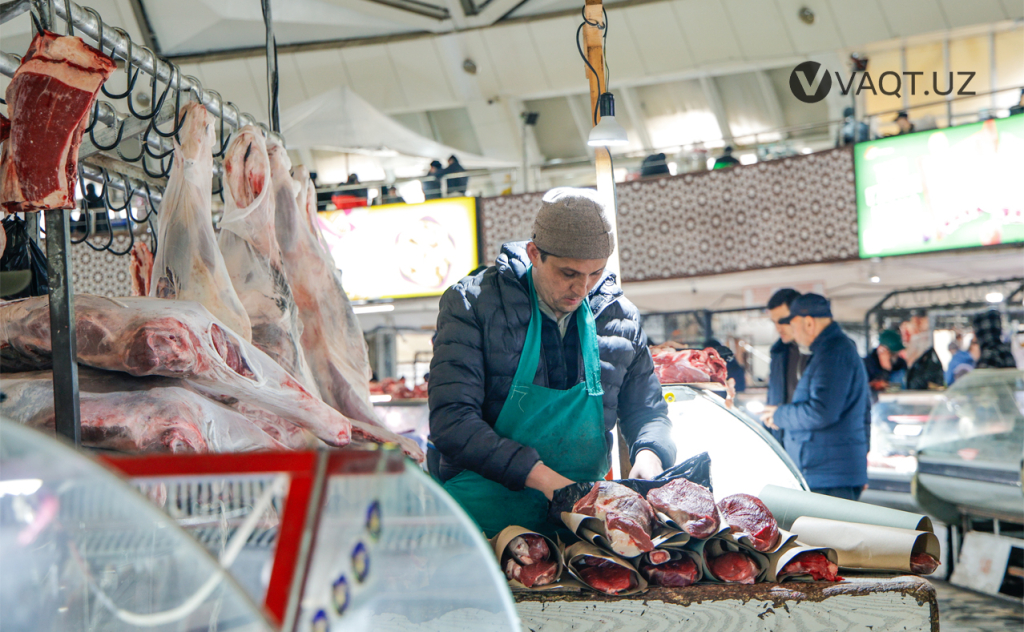
Uzbekistan has seen a sharp increase in meat imports in early 2026, importing $320.6 million worth of meat products from abroad during January to April, representing a 62.8% rise compared to the same period in 2025. This surge highlights the country’s growing dependence on imported meat amidst a slowdown in domestic production, a trend that has significant implications for capital markets and investors.
Market Impact of Increased Meat Imports and Domestic Production Slowdown
The quantity of imported meat increased by 36.6%, reaching 98 thousand tons, with beef leading imports at 49.85 thousand tons, followed by chicken at 22.7 thousand tons. However, these imports are becoming increasingly expensive. For example, the import price of beef rose from $4.07 per kilogram in 2025 to $4.8 in 2026, while lamb prices surged even more dramatically from $1.03 to $2.87 per kilogram during the same timeframe.
“The rising costs of imported meat products, combined with slower domestic output, are pressuring local prices and leading to inflationary risks in food-related sectors,” industry analysts note.
Domestically, meat production increased only marginally by 2.9% in the first quarter of 2026, producing 580.2 thousand tons, the slowest growth since 2022. The deceleration is attributed to rising feed prices for livestock, causing a reduction in meat production, particularly on small farms and household plots.
This dynamic is pushing Uzbekistan to rely more heavily on imports to meet rising consumer demand. The Central Bank reported significant price increases in 2025 for various meat categories: beef prices rose by 23.9%, boneless beef by 25%, and lamb by 26.9%. By March 2026, the year-on-year price growth remained elevated at 15.1% for beef, 15.5% for boneless beef, and 18.2% for lamb.
Market prices reflect this inflationary environment, with retail meat prices increasing up to 200,000 Uzbek soums in markets and 259,000 soums in supermarkets. In April, lamb prices rose by 3.7% and beef by 3.2%, ranking meat among the fastest-appreciating food products during the month.
Investment Considerations Amid Price Volatility
For investors, the rising cost of meat imports and supply constraints signal potential inflationary pressures in consumer staples and food sectors. Food retail and agribusiness equities may experience margin pressures as input costs climb. Meanwhile, bond markets could factor in higher inflation expectations, impacting yields and real returns.
Moreover, Uzbekistan’s increased exposure to global supply chain disruptions and commodity price volatility underscores heightened risk for market participants. The reliance on pricey imports could limit the government’s ability to stabilize food prices, adding uncertainty to consumer purchasing power and economic growth forecasts.
Overall, the nexus of slowing domestic meat production and escalating import costs illustrates a critical inflation driver. Capital market participants should monitor developments in agricultural policy, import logistics, and global commodity prices to gauge the evolving investment landscape in Uzbekistan.
In conclusion, the meat market dynamics reflect broader macroeconomic challenges facing Uzbekistan, with implications that extend into equities, bonds, and investor risk assessments.