NATO-Serbia Joint Military Exercises Mark New Chapter Amid Delicate Regional Dynamics
First-ever NATO-Serbia joint drills involve 600 troops and highlight evolving security ties despite Serbia’s military neutrality policy.
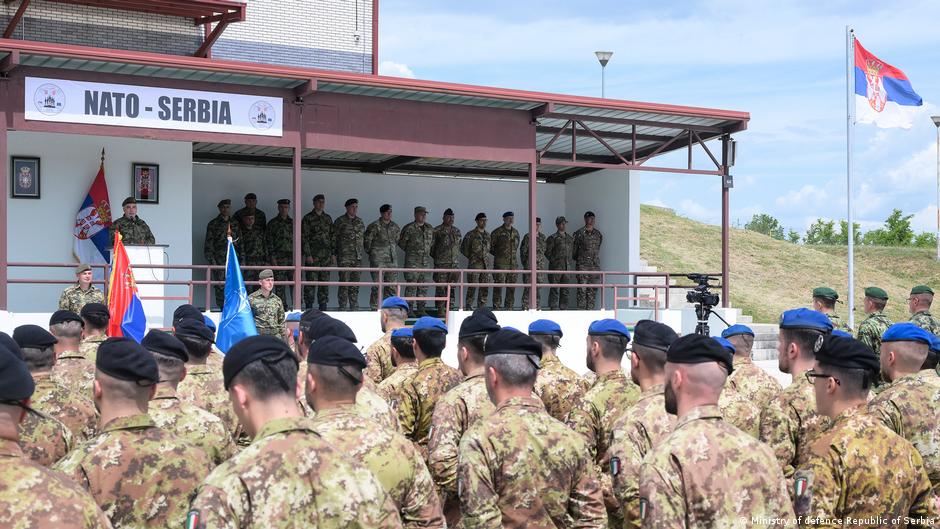
For the first time in its history, Serbia is hosting joint military exercises with NATO forces, signaling a nuanced shift in regional security cooperation despite Serbia’s official stance of military neutrality. The drills, titled "NATO-Serbia," are part of NATO’s Partnership for Peace program and involve approximately 600 soldiers from Serbia, Italy, Romania, Turkey, and observers from several NATO countries including Germany.
Market Implications of Serbia’s Evolving Security Ties
The exercises, running through May 23, mark unprecedented military collaboration between Serbia and NATO. This development has potential ramifications for capital markets, as geopolitical shifts can influence investor sentiment, equity valuations, and sovereign bond yields in the Balkans and broader European region.
Serbia’s participation in these exercises, despite not being a NATO member, reflects an ongoing balancing act between maintaining its declared neutrality and engaging with Western military alliances. This dual positioning could affect foreign direct investment flows and risk assessments by international investors focused on Southeastern Europe.
“Serbia is hosting these exercises while fully respecting its military neutrality policy,” a NATO representative said, underscoring the cautious approach to integration with Western defense structures.
The historical context is critical: since the 1999 NATO bombing campaign during the Kosovo conflict, Serbia has maintained a wary stance towards NATO, while simultaneously fostering close ties with Russia. Kosovo remains a tension point, with NATO-led peacekeeping forces still active and Belgrade not recognizing the territory’s independence.
From a capital markets perspective, this cautious opening toward NATO cooperation may be viewed positively by investors, as it hints at potential stability improvements in a region long weighed down by political uncertainty. Improved security cooperation can reduce geopolitical risk premiums on Serbian government bonds, possibly lowering borrowing costs in international markets.
Equities in Serbia and neighboring countries might also react to these developments, as enhanced military collaboration can be interpreted as a foundation for broader regional integration and economic cooperation.
However, investors will likely monitor the situation closely for any signs of escalating tensions related to Kosovo or Russia’s influence in Serbia, which could offset any positive sentiment generated by the NATO drills.
In summary, the "NATO-Serbia" exercises represent more than just a military milestone; they signal subtle shifts with tangible implications for capital markets and investor confidence in the Balkans.