Ukraine Gains Strategic Initiative Over Russia, Shifting Market Sentiment Amid Conflict
Ukraine's intensified military operations and territorial gains signal a shift in momentum, influencing investor confidence in regional equities and bonds.
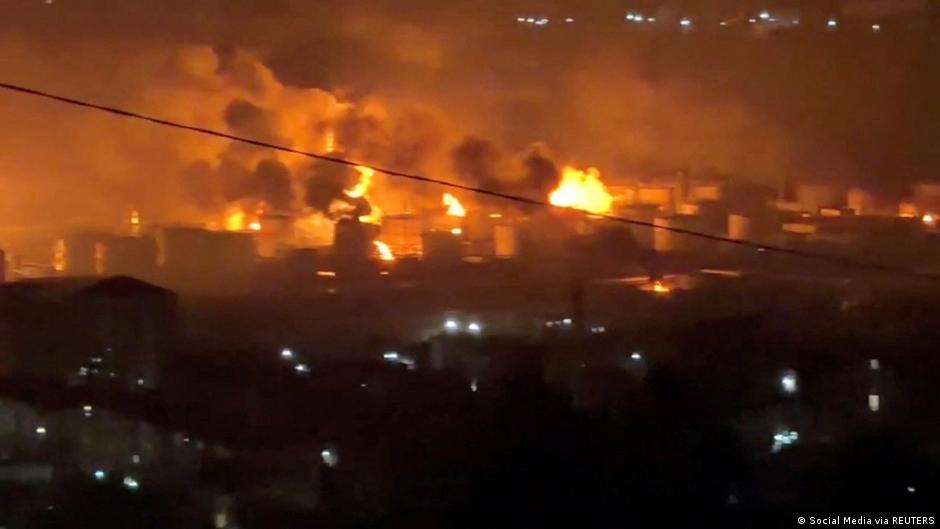
Recent developments in the Ukraine-Russia conflict suggest a significant shift in military momentum that is reverberating across capital markets. According to an analysis by The Economist, Ukraine has seemingly seized the initiative from Russia for the first time in three years, intensifying its operations deep within Russian territory while reversing territorial losses.
Market Implications of Ukraine’s Tactical Advances
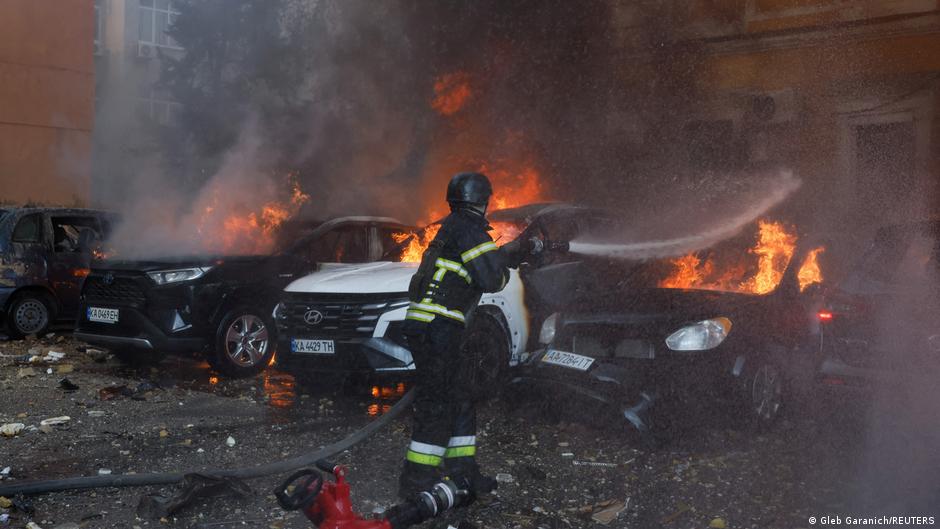
The publication highlights that in April, Russian forces lost more territory than they captured, a rare occurrence since the conflict escalated. These territorial setbacks, combined with Ukraine's growing capability to strike economic and military targets up to 2,000 kilometers inside Russia, have heightened uncertainty in regional markets.
"Almost every Ukrainian action now inflicts increasingly significant damage on Russia," the report notes, underscoring Ukraine’s enhanced operational reach and precision.
For investors, these developments present a complex scenario. On one hand, Ukrainian equities and bonds may benefit from improved perceptions of Ukraine's strategic position and potential for stabilization. On the other, increased operational intensity and ongoing conflict risks continue to exert pressure on Russian markets, particularly given the expanded reach of Ukrainian drone strikes affecting nearly 70% of Russia’s population zone.
Ukrainian military operations in March notably surpassed Russian drone strike activity, signaling enhanced offensive capabilities that could prolong conflict dynamics. Coupled with reported monthly Russian military casualties of approximately 35,000 personnel, these factors contribute to elevated geopolitical risk premiums priced into regional assets.
According to Lawrence Freedman, honorary professor of war studies at the Royal College of London, the forthcoming months are critical. They will determine whether Russia can muster a significant summer offensive to counteract Ukraine’s drone and territorial gains or if Ukraine will consolidate its upper hand. This uncertainty continues to weigh on investor sentiment.
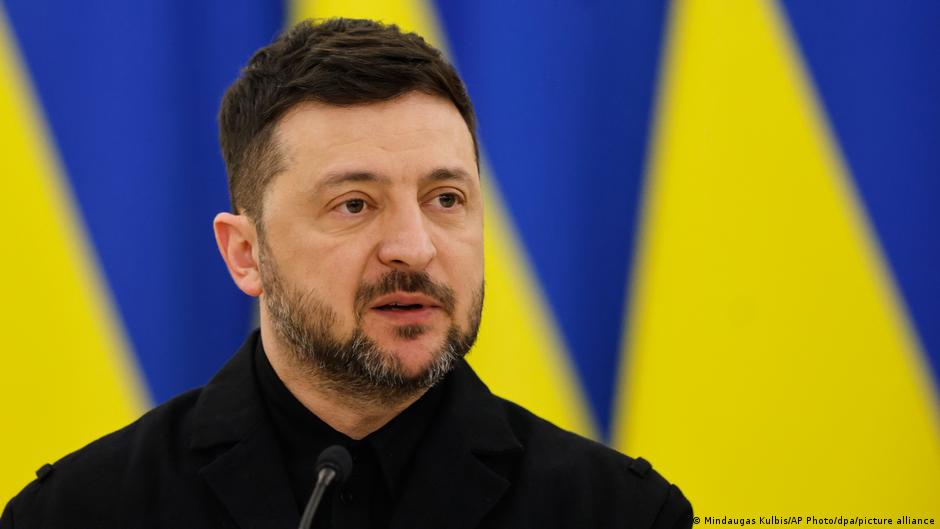
Further supporting Ukraine’s improved position, EU foreign policy chief Josep Borrell stated post a recent EU Foreign Ministers meeting that Ukraine is currently stronger than a year ago, while Russian President Vladimir Putin is weaker than ever. This evolving political landscape influences investor calculations regarding sanctions, capital flows, and regional stability.
In summary, the shifting military landscape is exerting a direct impact on capital markets, with Ukrainian assets potentially gaining from perceived momentum shifts, while Russian financial instruments remain under pressure amid sustained operational risks and sanctions. Investors are advised to monitor military developments closely as they recalibrate exposure to the region’s equities and bonds.