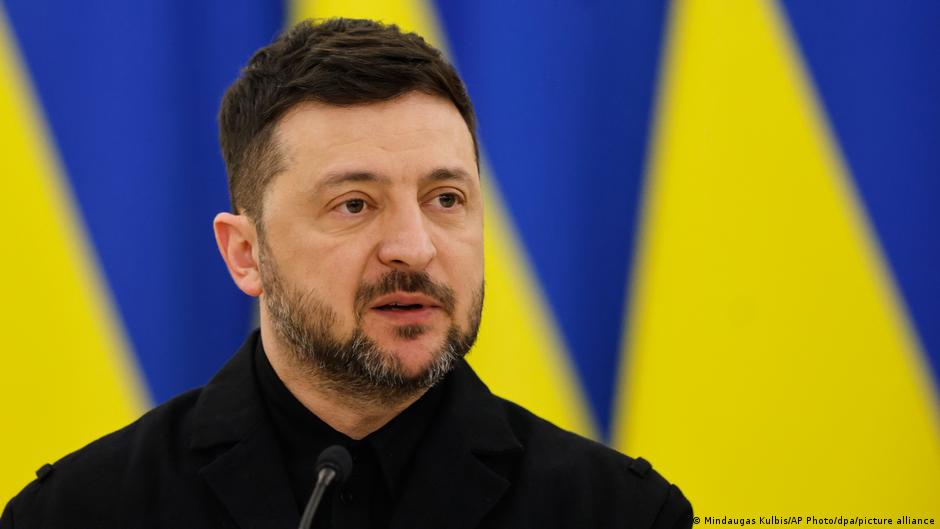
Ukraine’s Long-Range Drones and Missiles Poised to Enhance NATO’s Strike Capabilities
Ukraine offers to supply NATO with advanced long-range drones and missiles, potentially reshaping European defense markets and investor outlooks.
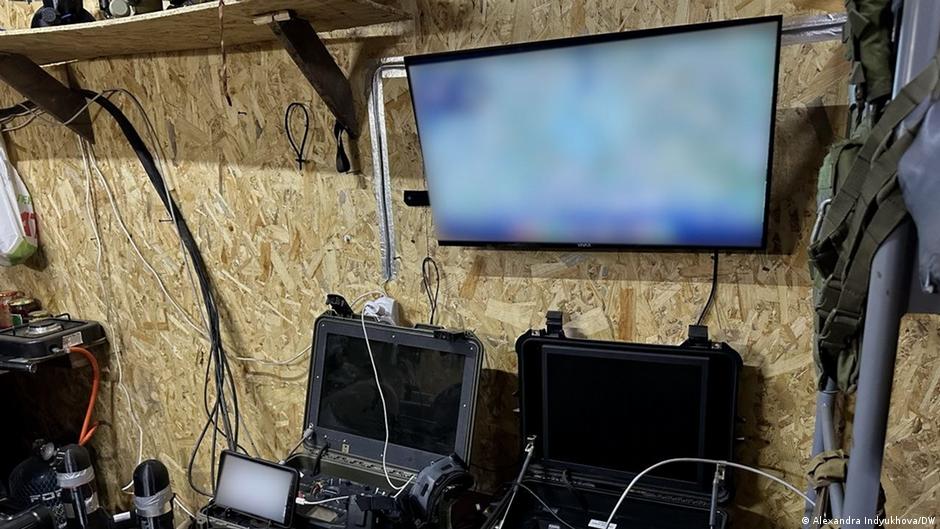
Ukraine has signaled its readiness to supply NATO with advanced long-range unmanned aerial vehicles (UAVs) and missile systems, which could significantly bolster the alliance’s strategic strike capabilities. This development has important implications for capital markets, particularly equities and bonds in the defense and aerospace sectors, as well as investor sentiment on European security dynamics.
Ukraine’s Emerging Role in NATO’s Defense Architecture
Alena Hetmanchuk, Ukraine's ambassador to NATO, stated that Kyiv is preparing to fill existing gaps in NATO’s military potential, specifically by offering expertise and technology in precision strike systems, including long-range drones and missiles. She emphasized Ukraine’s unique solutions not only in drone defense but also in executing pinpoint attacks deep within adversary territories.
"If NATO members like Germany request support, Ukraine can provide effective weaponry and experience in long-range drones and missiles," Hetmanchuk noted.
This commitment positions Ukraine as a strategic supplier within the alliance, potentially accelerating joint defense projects and altering procurement dynamics in European defense markets. Investors should watch companies involved in drone technology and missile production, as demand from NATO members could spike.
Market Implications Amid Shifts in NATO’s Missile Posture
The timing of Ukraine’s offer is especially noteworthy given recent shifts in NATO’s missile capabilities. Earlier in May, U.S. President Donald Trump canceled plans to station American Tomahawk cruise and ballistic missiles in Germany, decisions that left NATO without certain long-range strike assets capable of countering Russian missile systems such as the 9M729 (NATO designation SSC-8) and Iskander missiles.
This withdrawal has created a capability gap in Europe, which Ukraine’s advanced weaponry could help fill. Germany’s Defense Minister Boris Pistorius visited Kyiv on May 11, signaling intent to deepen cooperation, particularly in co-developing modern UAV systems suited for deep-strike missions.
Pistorius highlighted that joint drone development would enhance security for both nations, suggesting potential new contracts or partnerships in defense manufacturing that could impact stock valuations of firms involved in aerospace, drone technology, and missile systems supply chains.
Additionally, reports indicate that Germany is exploring a joint U.S.-German venture to produce Tomahawk cruise missiles domestically starting in 2028. This move represents a broader trend of reasserting European missile production capabilities, which may increase government defense spending and investment opportunities.
Investor Takeaways and Outlook
From a capital markets perspective, Ukraine’s potential supply of long-range drones and missiles to NATO allies could prompt shifts in defense procurement, benefiting aerospace and defense companies active in Europe and the U.S. The announcement may also stimulate bond issuance linked to increased defense spending and infrastructure projects.
Investors should monitor geopolitical developments closely, as heightened NATO-Ukraine collaboration may lead to expanded contracts and innovation in precision strike technologies. Conversely, any escalation in regional tensions could increase market volatility, particularly in sectors sensitive to defense budgets and international relations.
In summary, Ukraine’s offer to supply long-range weaponry signals a strategic realignment within NATO’s defense capabilities, carrying significant implications for defense equities, bond markets, and investor strategies focused on European security and military technology sectors.