Latvian Defense Minister Resigns After Drone Incursion Raises Security Concerns
Latvia’s defense leadership changes following drone airspace breach amid ongoing regional tensions, prompting market uncertainty.
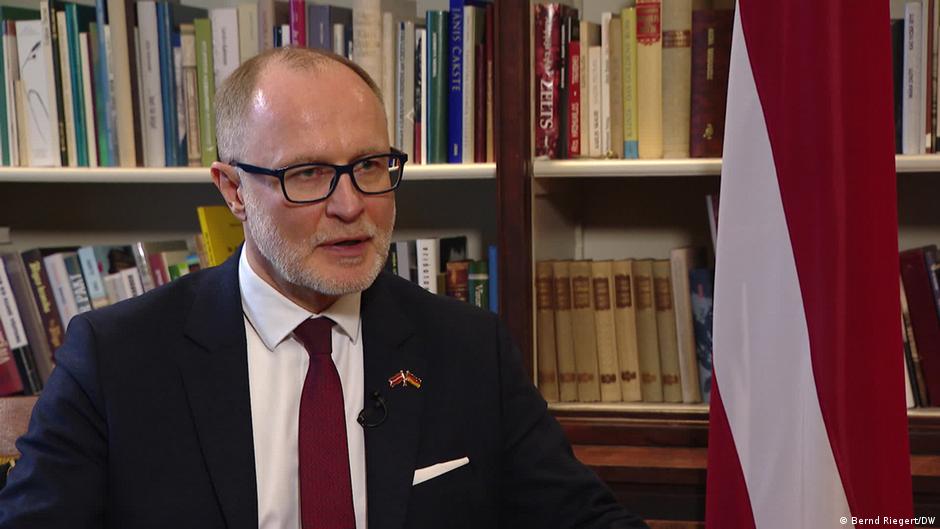
Latvia's Defense Minister Andris Spruds resigned after two drones reportedly launched by Ukraine violated Latvian airspace, an incident that has raised concerns over regional security and the ability of Baltic states to safeguard their borders. The drones, which were allegedly targeting sites inside Russia, intruded on Latvian airspace on the night of May 7, with one drone crashing on a refinery site in Rēzekne.
Market Reaction and Regional Security Implications
The resignation signals a setback for Latvia’s defense stability amid heightened geopolitical tensions caused by the ongoing conflict between Russia and Ukraine. Investors and market participants have reacted cautiously, with Baltic equities and government bonds facing pressure due to concerns about potential instability and risks to the security environment in the region.
Prime Minister Evika Siliņa demanded Spruds’ resignation, citing a loss of confidence in the defense leadership’s ability to maintain a secure airspace. This move reflects political accountability but also underscores the challenge for Baltic governments in balancing military support for Ukraine and safeguarding their own territories against spillover effects.
"I have decided to step down to protect the Latvian army from becoming entangled in political campaigns," said Spruds, emphasizing that unauthorized drones should not threaten public safety.
Financial markets in Latvia and neighboring countries have experienced increased volatility due to concerns that such incidents could escalate and further disrupt regional stability. Bond yields in the Baltics edged higher, reflecting a risk premium associated with geopolitical uncertainty, while equities in defense and related sectors showed mixed reactions as investors assessed the potential for increased defense spending.
Broader Context and Investor Considerations
Ukraine, now in its fifth year of conflict since the full-scale Russian invasion, continues to strike military and energy infrastructure targets in Russia with drone attacks, some of which have inadvertently violated the airspace of neighboring countries including Finland and the Baltic states.
Estonia’s Defense Minister Hanno Pevkur has called for Ukraine to implement more effective drone control measures, highlighting the delicate balance between supporting Ukraine’s defense efforts and ensuring regional security.
From a capital markets perspective, these developments suggest investors should closely monitor political stability and defense policy changes in the Baltic region. Increased defense budgets, shifts in government leadership, or further airspace violations could influence the pricing of sovereign debt and equities, particularly in sectors tied to national security.
Moreover, the incident underscores the ongoing risk of geopolitical spillover effects in Eastern Europe, which remain key factors in investment risk assessments.
Market participants are advised to stay vigilant regarding news flow from the Baltic states and to consider the implications for portfolio allocations in emerging European markets with heightened geopolitical exposure.