Flight of Polish Ex-Justice Minister to US Highlights Risks for Central European Political Stability and Markets
The escape of Poland’s former justice minister from Hungary to the US raises concerns over political risks affecting investor confidence in the region.
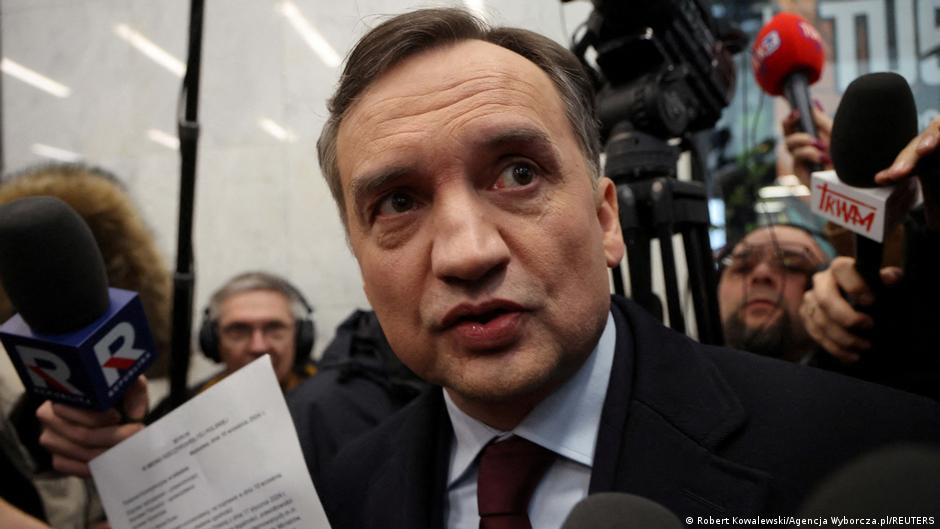
The recent relocation of Poland’s former minister of justice, Zbigniew Ziobro, from Hungary to the United States underscores growing political uncertainty in Central Europe. This development has potential repercussions for capital markets, investor sentiment, and regional economic stability.
Political Instability and Market Implications
Ziobro, who was granted asylum in Hungary under the previous government led by Viktor Orbán, fled to the US amid ongoing criminal investigations in Poland. Polish authorities accuse him of corruption, embezzlement, and abuse of power, charges that have unsettled investors monitoring the rule of law and governance standards in the European Union’s periphery.
Following a change in the Hungarian government, new Prime Minister Péter Medgyar promised to extradite Polish officials who sought refuge in Hungary. Ziobro’s flight complicates these efforts and adds a layer of uncertainty for investors concerned about the enforcement of legal and political norms in the region.
"If they want to start an extradition procedure—please," Ziobro told the Polish right-conservative TV channel Republika, acknowledging the legal complexities ahead.
From a capital markets perspective, political volatility linked to allegations against high-profile figures like Ziobro can affect both equity and bond markets. Investors view such political risks as potential triggers for increased regulatory unpredictability, policy shifts, and disruptions in cross-border cooperation within the EU.
For instance, Poland’s conservative ruling party, Law and Justice (PiS), which Ziobro belongs to, has been instrumental in shaping judicial reforms that have drawn criticism from international bodies. The ongoing investigations and extradition disputes raise questions about Poland’s political trajectory and its impact on business environments.
Investor Sentiment and Regional Risk Assessment
Markets typically react negatively to incidents signaling governance challenges. Political turmoil may lead to increased volatility in Polish equities and a widening of credit spreads on Polish sovereign bonds as investors demand higher premiums for perceived risks.
Moreover, Hungary’s shift in stance—moving away from Orbán’s policies that previously shielded figures like Ziobro—may introduce new uncertainties in Hungary’s political landscape, affecting investor confidence and regional capital flows.
The case also spotlights the role of US policy, given reports that Ziobro entered the US on a work visa linked to a right-wing media outlet and that his visa approval was allegedly influenced by former President Donald Trump’s administration. This international dimension adds complexity to the geopolitical risk calculus for investors evaluating Central Europe.
Polish authorities have vowed to pursue accountability and seek clarifications from both Hungary and the US regarding Ziobro’s border crossings without valid documents. How these diplomatic and legal proceedings unfold will be closely watched by investors sensitive to rule-of-law issues and political stability.
In summary, the flight of a politically exposed person like Ziobro amid legal challenges highlights the intertwined nature of politics and capital markets in Central Europe. Investors should monitor developments closely, as political risk remains a key factor shaping investment decisions in the region.