German Government Considers Steinmeier to Represent EU in Potential Russia Peace Talks
Berlin explores a joint mediation role for President Steinmeier and ex-Chancellor Schröder amid cautious market reactions to peace negotiation prospects.
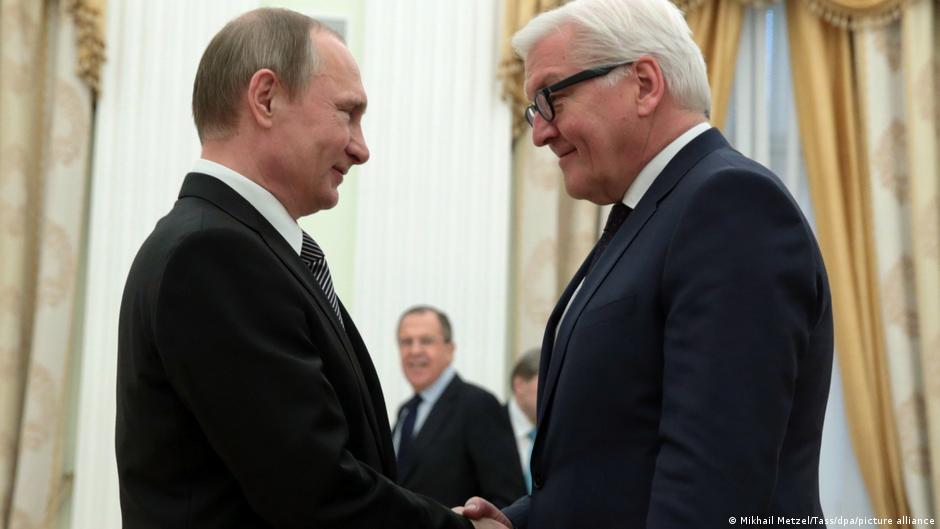
The German government is contemplating the involvement of President Frank-Walter Steinmeier as a representative of the European Union in potential peace negotiations with Russia to end the ongoing war in Ukraine. This development was reported by prominent German media citing government sources.
Market Context and Investor Implications
The prospect of high-profile German figures like Steinmeier and former Chancellor Gerhard Schröder acting as mediators has garnered attention within capital markets, albeit with caution. Financial markets are closely monitoring geopolitical signals that could indicate progress toward conflict resolution, which historically impacts equities and bond yields, especially in the European sector.
While a peace deal could boost investor confidence in European assets by reducing regional risks, the German government’s skepticism about Russia’s intentions limits immediate market optimism. The official stance is that Russia has not demonstrated sufficient willingness to compromise, which preserves current market uncertainties.
"The German government views the proposed mediation duo as an interesting option but remains doubtful about Russia’s genuine commitment to ending the conflict," said a government insider.
The announcement follows President Vladimir Putin’s public endorsement of Schröder as a preferred EU negotiator, a move that Berlin has officially rejected due to Schröder's close ties with Moscow, which raise concerns over impartiality.
From a capital markets perspective, these developments underline the fragile nature of peace prospects. Bond markets, particularly German bunds, have remained sensitive to geopolitical news, with yields reflecting risk perceptions linked to the war. Similarly, equities in sectors exposed to Eastern European trade remain volatile.
Investors should note that any genuine progress towards extending ceasefire agreements or formal negotiations could serve as a catalyst for improved market sentiment, potentially strengthening the eurozone’s financial instruments. However, the prevailing view that Russian proposals may be strategic rather than substantive maintains a degree of caution among market participants.
The Strategic and Political Background
The German ruling coalition shows reluctance to accept Putin’s proposal to appoint Schröder alone as the EU’s peace negotiator, given his longstanding friendship with the Russian leader and questions about his ability to act independently. Instead, pairing Schröder with Steinmeier is seen as a more balanced approach.
Currently, no official negotiations between Russia and Ukraine are ongoing, with Russian Foreign Minister Sergey Lavrov confirming the absence of talks as recently as mid-April. The German government has emphasized that Russia’s readiness to extend a three-day ceasefire would be a meaningful gesture to test Moscow’s true intentions.
Furthermore, some officials interpret Putin’s statements as part of a broader hybrid strategy aimed at sowing discord within Europe rather than a sincere attempt at peace. This complicates the path toward market-stabilizing diplomatic breakthroughs.
In summary, while the German government’s consideration of Steinmeier as a mediator signals potential diplomatic openings, capital markets remain cautious. Investors will be watching for concrete signs of ceasefire extensions or formal negotiations, which could meaningfully shift risk assessments and market dynamics across Europe.