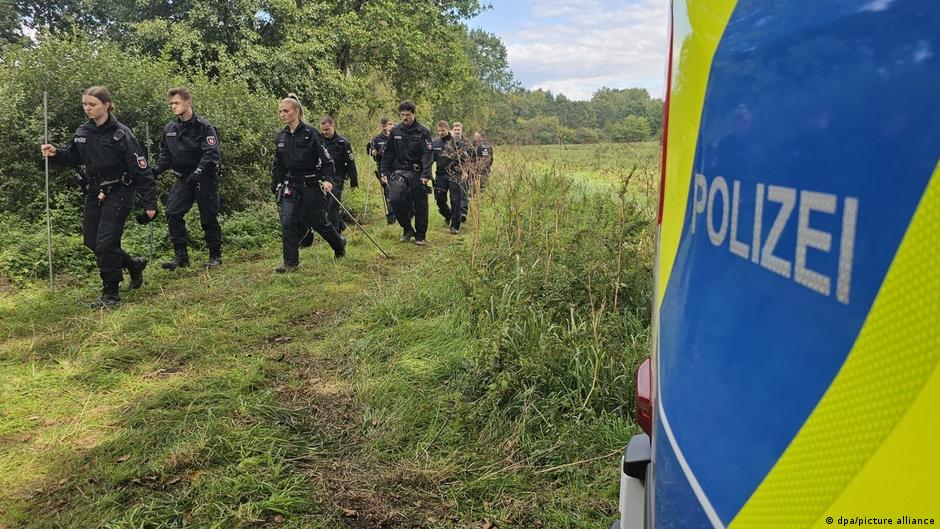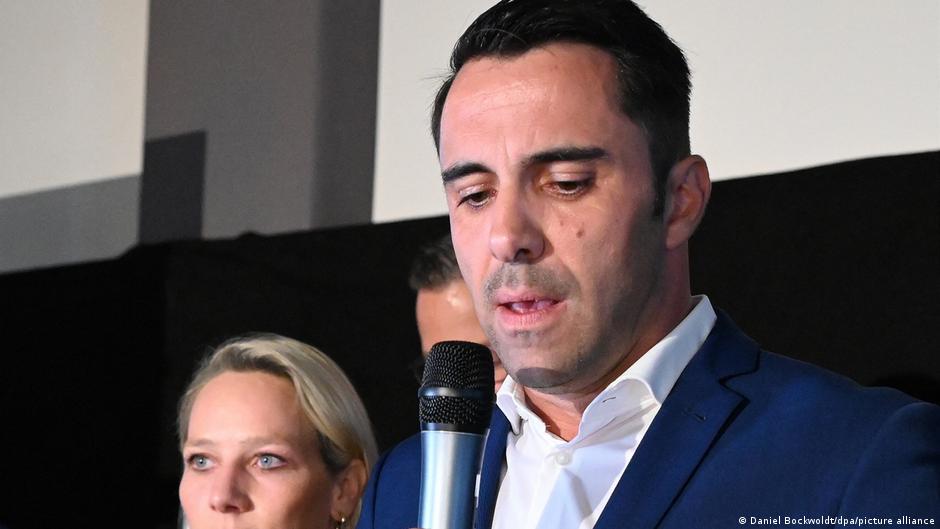
Latvia Says Leipzig Sabotage Suspect Lived in Russia as EU Risks Deepen
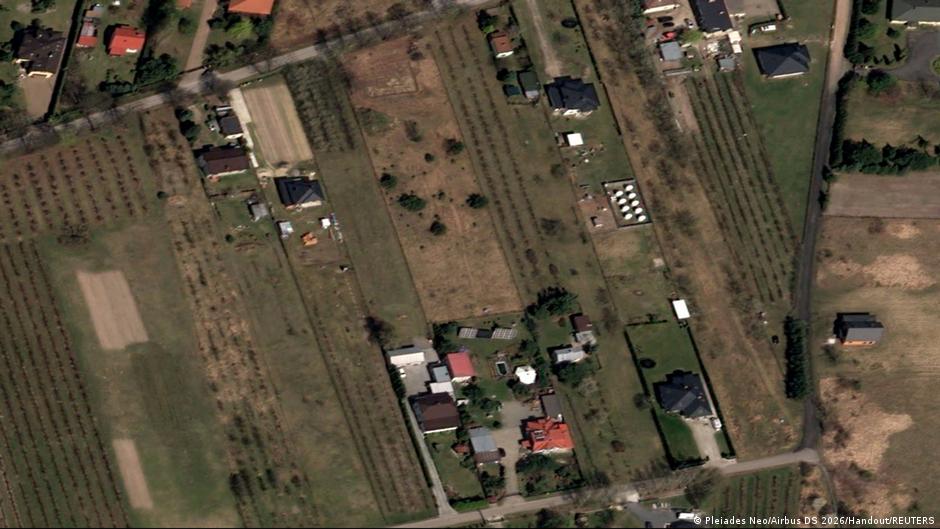
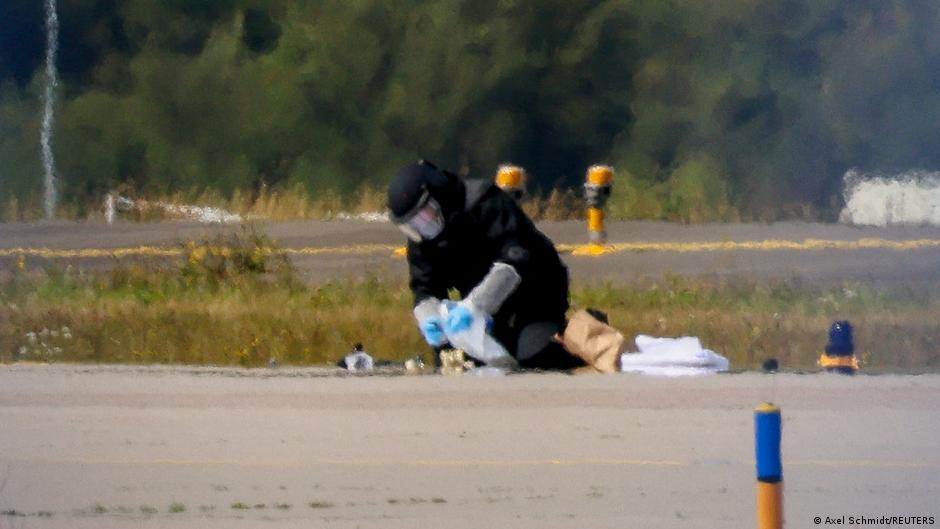
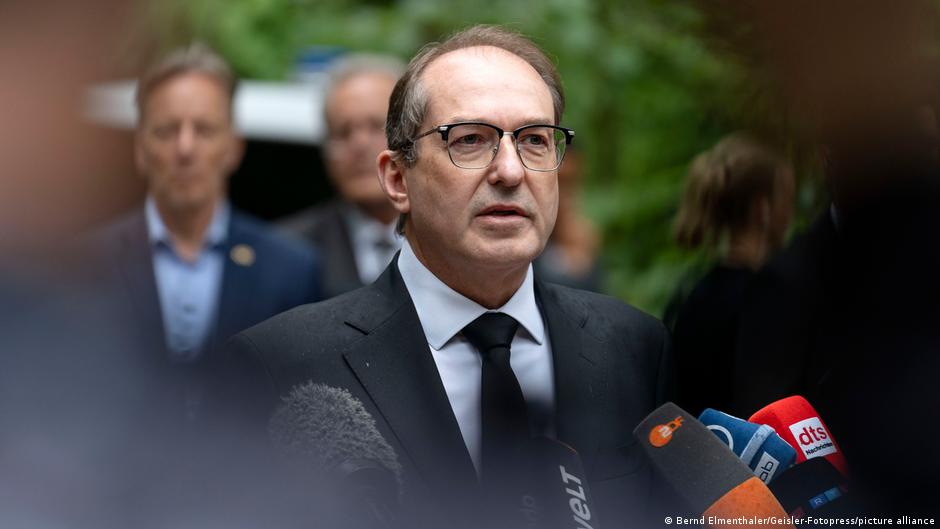
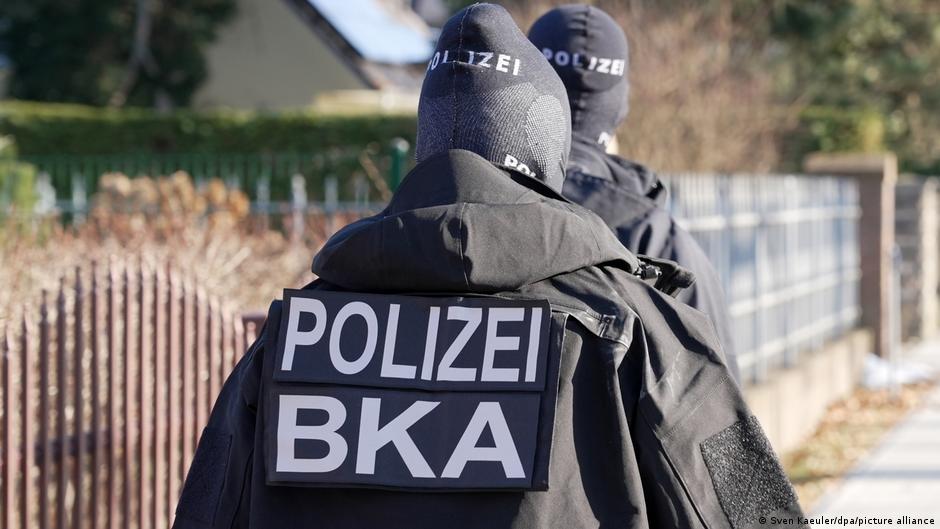
Latvia says a Leipzig sabotage suspect with a Latvian passport had lived in Russia, sharpening investor focus on sanctions, logistics and EU security risk.

Latvia says a Leipzig sabotage suspect with a Latvian passport had lived in Russia, sharpening investor focus on sanctions, logistics and EU security risk.

Volkswagen approved a sweeping 2030 restructuring plan with 50,000 job cuts, heavy investment and a drive to lift profit and capital efficiency.

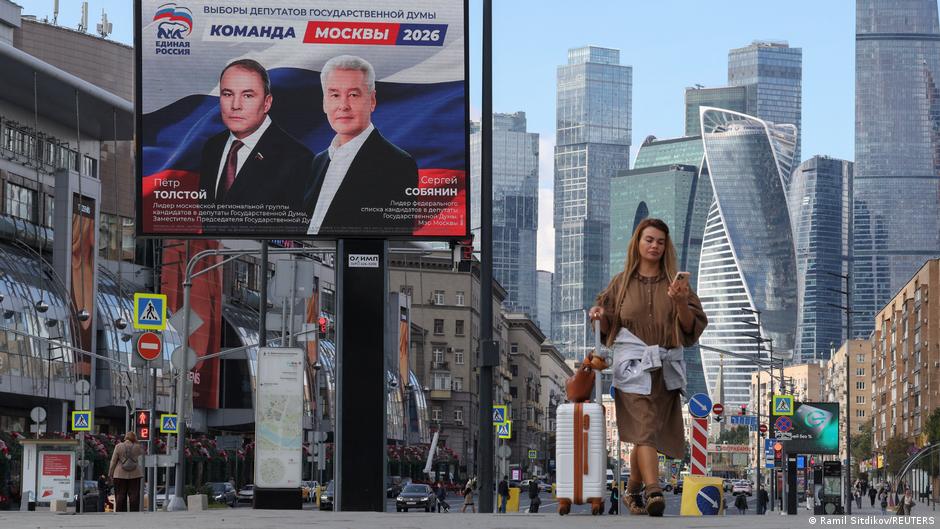
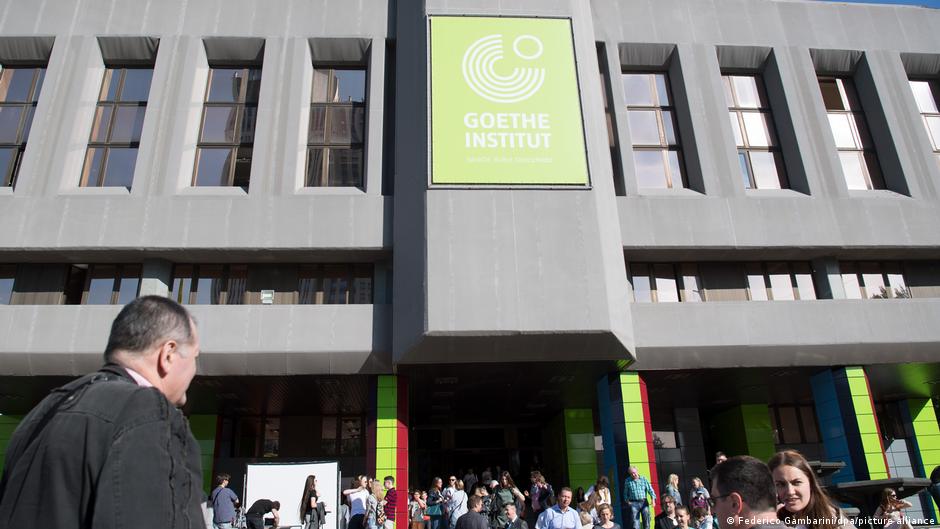
Russia said it will close Goethe Institute branches after Berlin tightened sanctions and moved against Russian diplomatic and cultural operations.

Germany’s new moves against Russia sharpen geopolitical risk for European markets and keep sanctions-sensitive sectors in focus for investors.

Foreign investment into Germany rose 50% to 86 billion euros in 2025, with UK inflows surging and the US share dropping sharply.

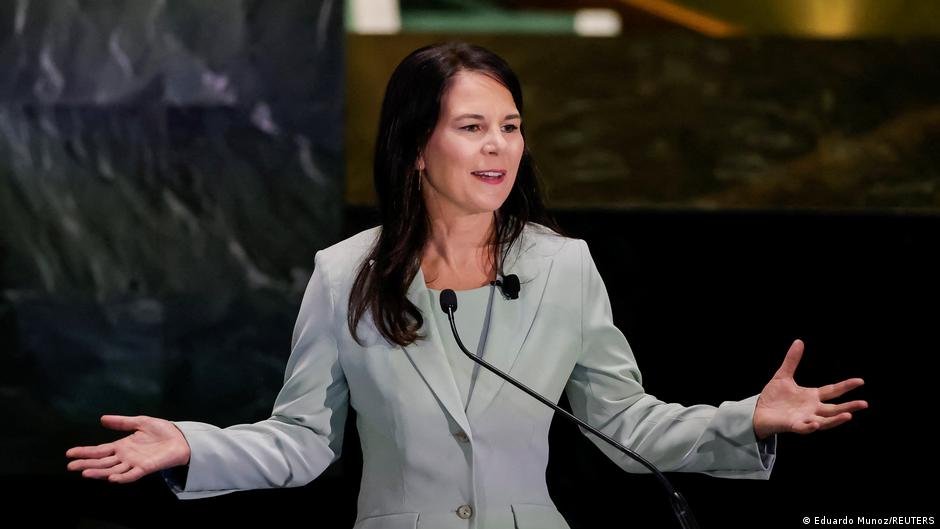
Annalena Baerbock, former German Foreign Minister and UNGA President, joins Columbia University as co-director of a global leadership program, blending diplomacy with academia.

Sabotage targeting European defense firms linked to Russia raises market uncertainty, impacting defense equities and investor confidence amid NATO tensions.

Germany’s wage gap between native and foreign full-time workers remains 23.6% in 2025, highlighting ongoing labor market disparities with potential implications for investors.

Hundreds of Ukrainian soldiers have deserted training programs in Germany since 2022, prompting investor concerns over defense sector stability and market risks.

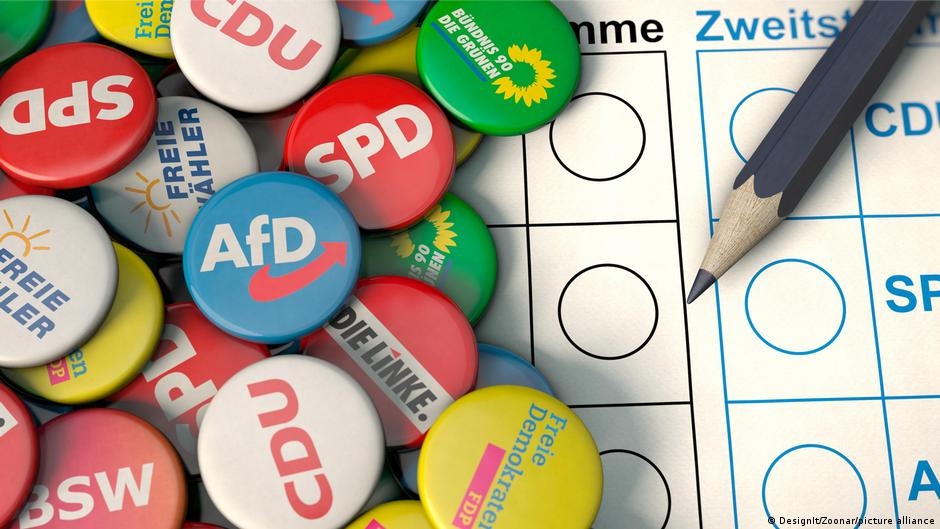
Support for Germany’s CDU/CSU falls to 20% as far-right AfD leads with 28%, signaling increased political risks impacting equities and bond markets ahead of regional elections.

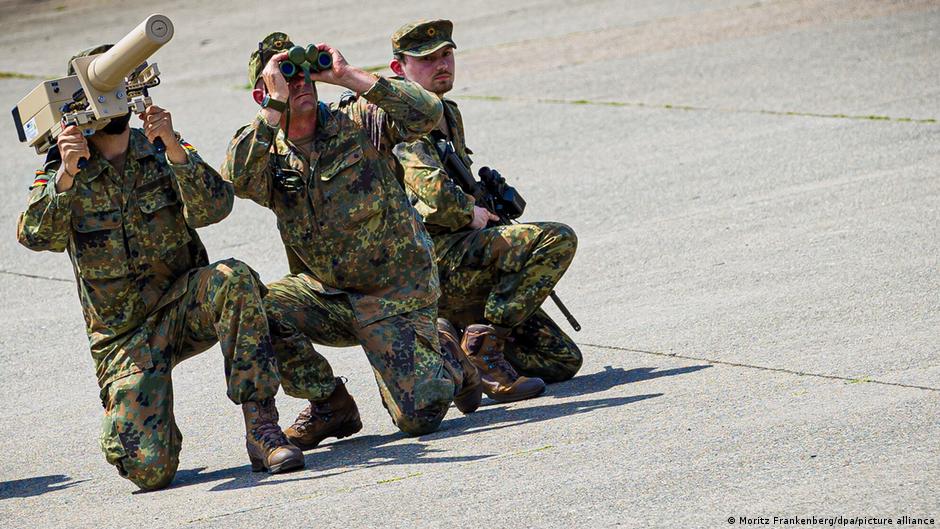
A rise in drone activity near German military bases amid the Ukraine conflict fuels security concerns and prompts government investment in counter-UAV tech, impacting defense market sectors.

Germany steps up defenses against hybrid warfare with new drone threat research center after explosive drone incident, impacting defense sectors and investor risk outlook.

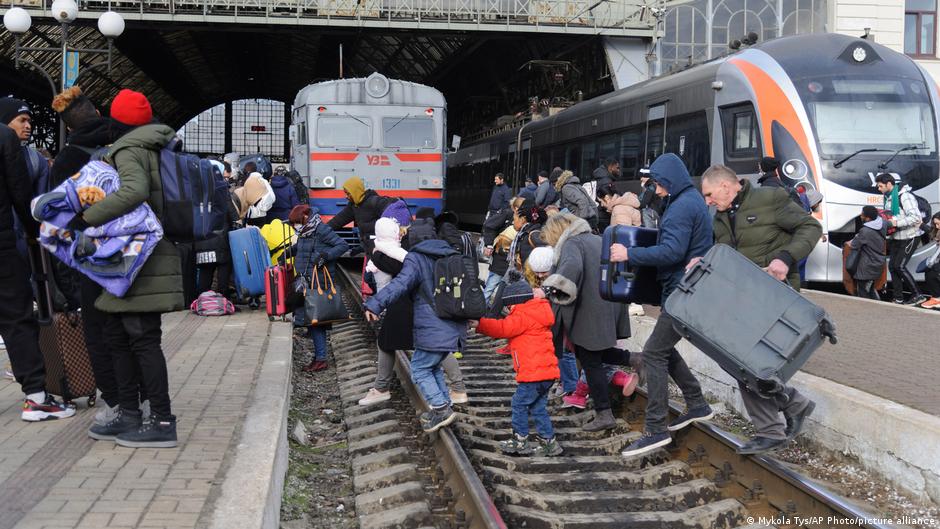
Over 8.4 million Ukrainians live abroad amid ongoing conflict, affecting demographic trends and investor confidence in Ukraine’s capital markets.

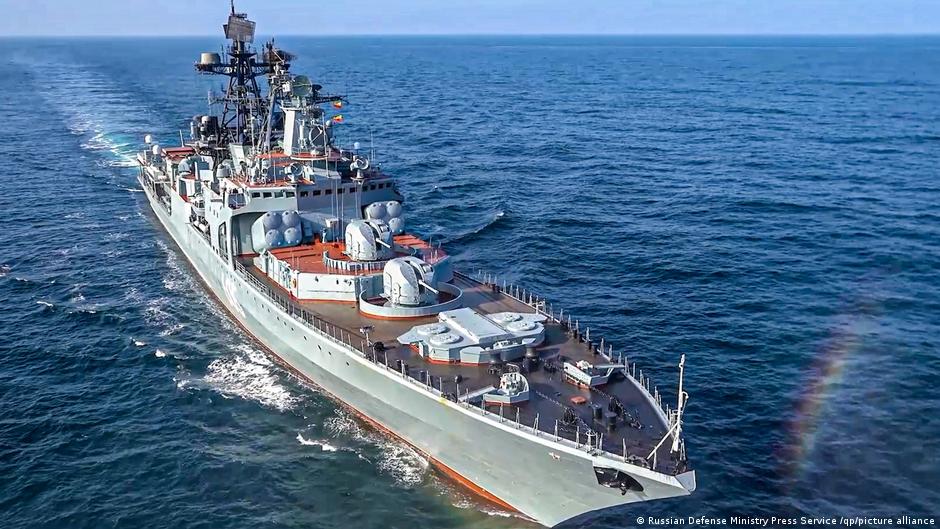
The deployment of Russia's anti-submarine ship Admiral Levchenko in the Baltic Sea near Germany signals increased maritime security efforts affecting European energy shipping routes and investor risk assessments.

NATO's potential deployment of tactical nuclear weapons in Finland, Poland, and Lithuania signals heightened geopolitical risk, impacting European equities, bonds, and investor sentiment.

Germany reports 410 individuals posing Islamist threats amid rising radicalization, impacting investor confidence and market stability in key sectors amid recent violent incidents.

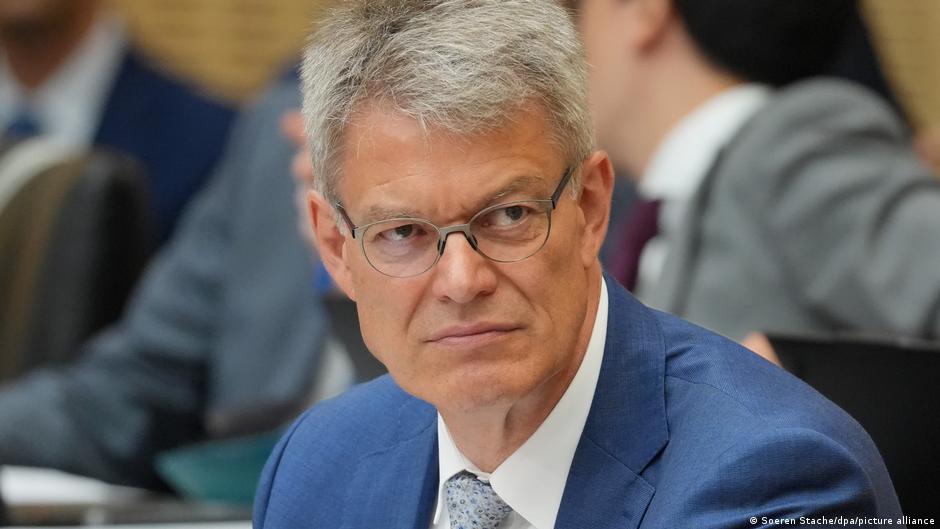
German Transport Minister Patrick Schnieder resigns amid political tensions, triggering leadership changes that introduce uncertainty for transport-related equities and bonds.

Russian-linked disinformation targets German regional elections, raising political uncertainty and potential risks for investors in equities and bonds amid increased market volatility.

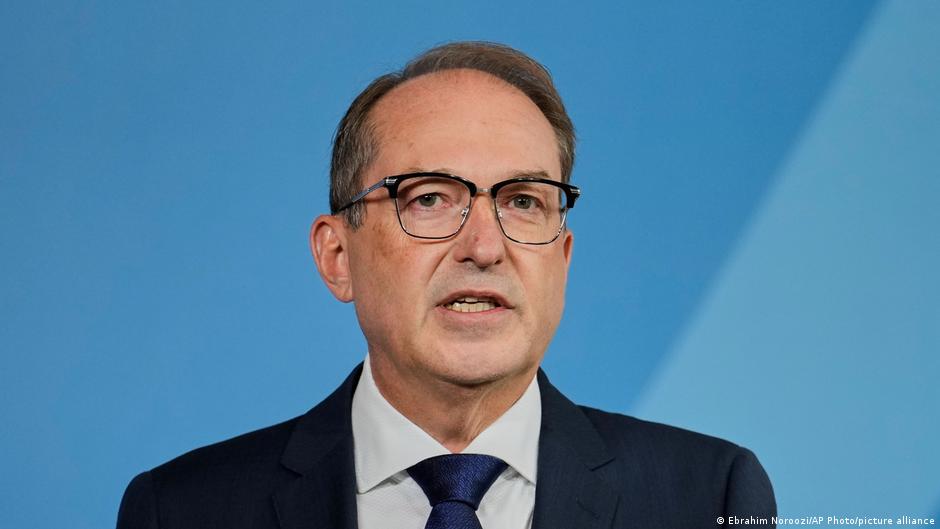
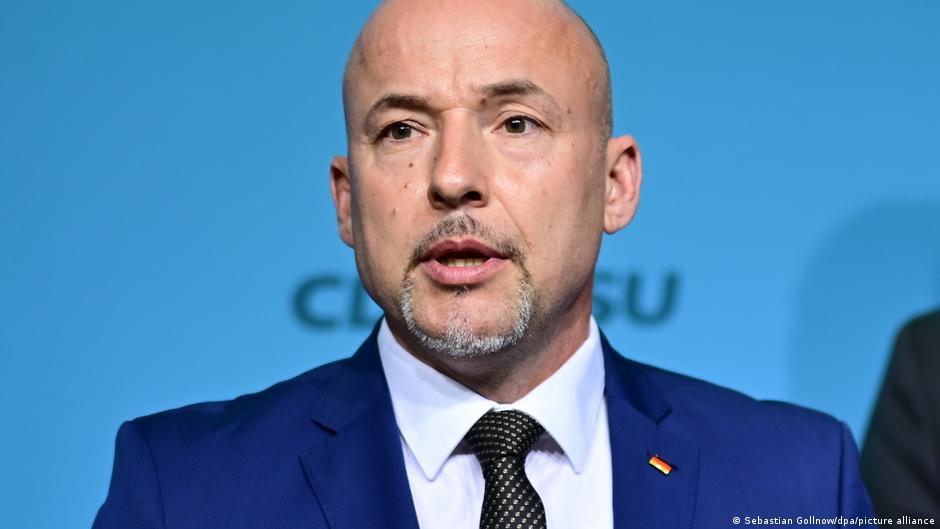
German CSU leader urges Ukraine to share advanced drone technologies with Germany, highlighting potential impacts on defense equities and military production markets.

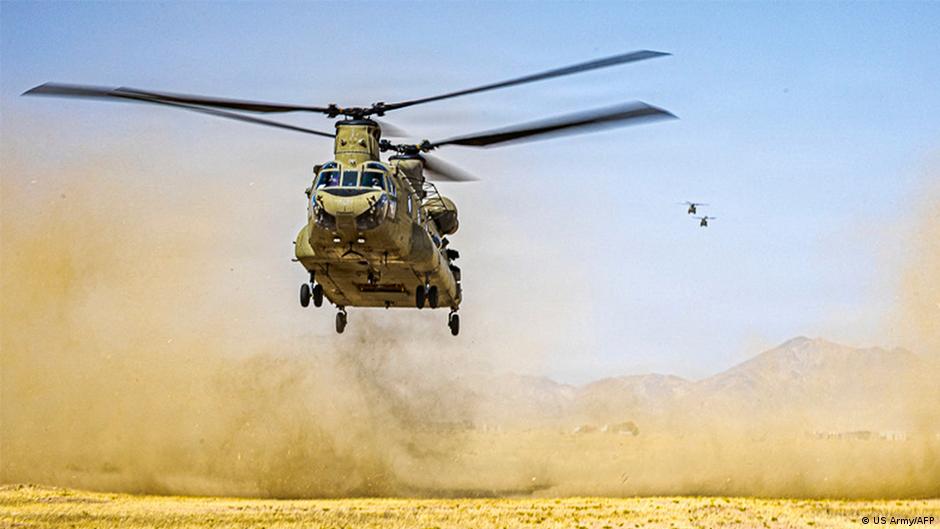
US military deaths in the Iran conflict have increased to 17, prompting heightened market volatility and impacting energy, defense equities, and bond markets amid rising geopolitical risks.

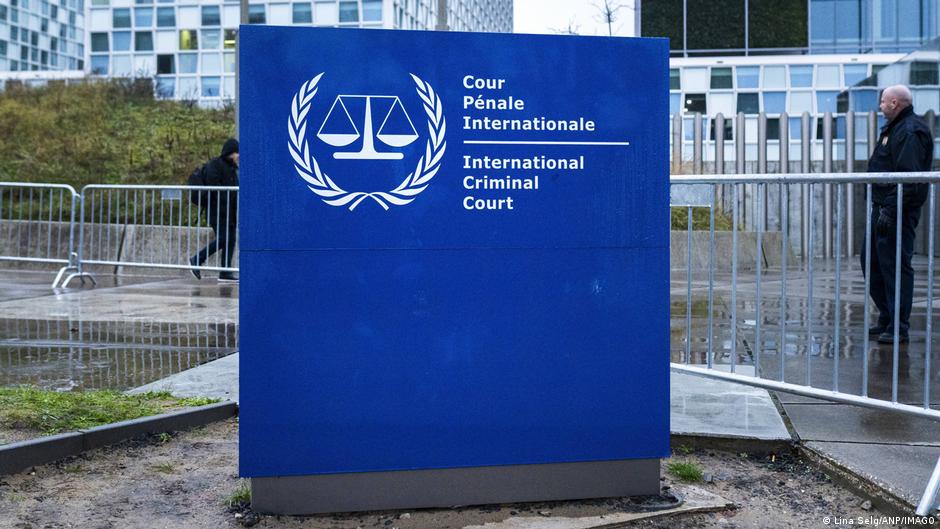
Germany defends the International Criminal Court amid US threats of sanctions, raising geopolitical risks that could impact equities and bonds in global capital markets.

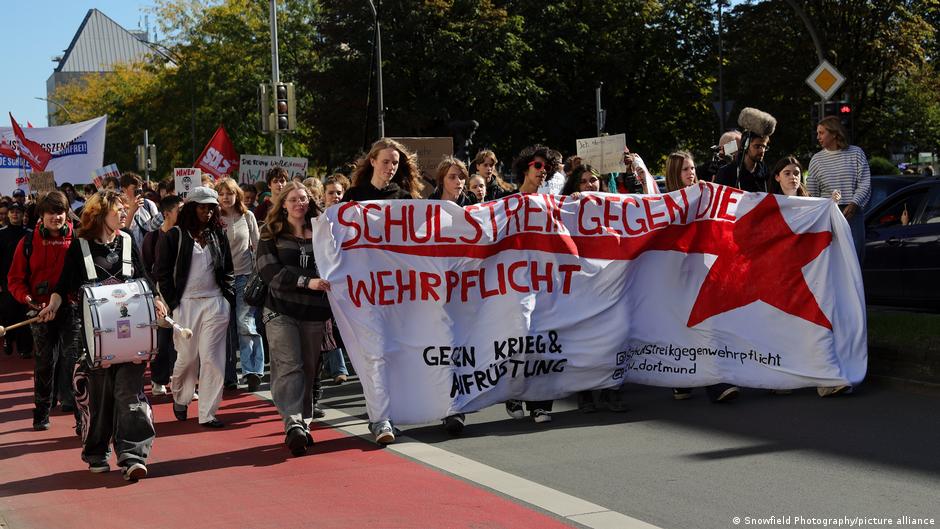
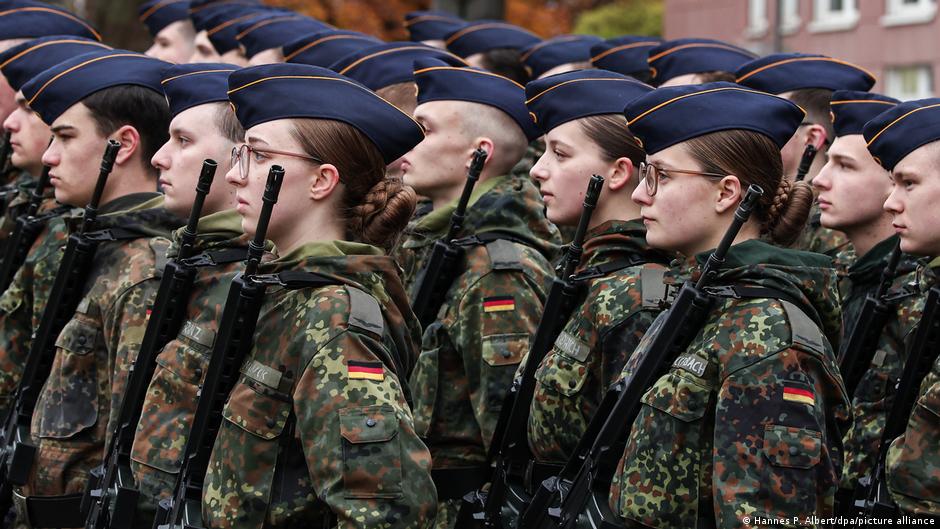
Germany's surge in military service refusals amid conscription reforms and security tensions is influencing investor sentiment and may affect defense spending and capital markets.

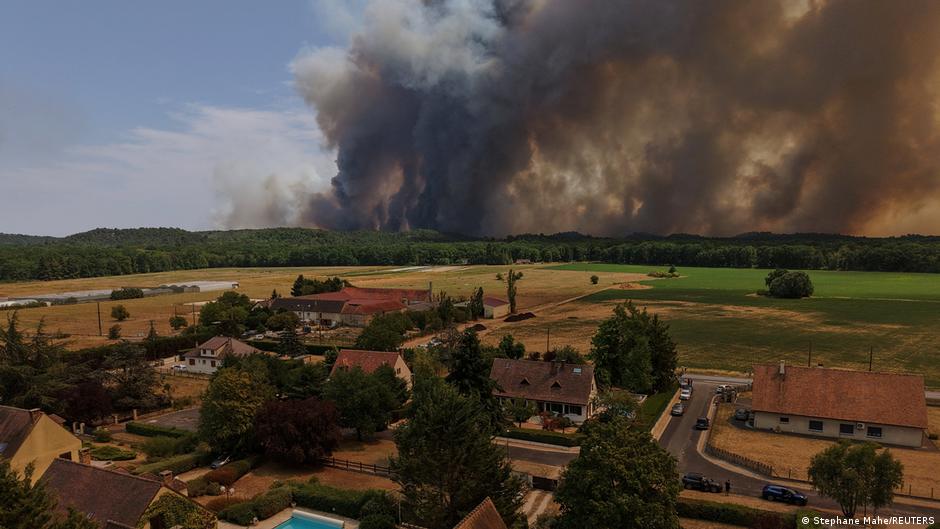
A major wildfire near Paris has led to evacuations and firefighting efforts, raising investor concerns about climate risks affecting European capital markets.

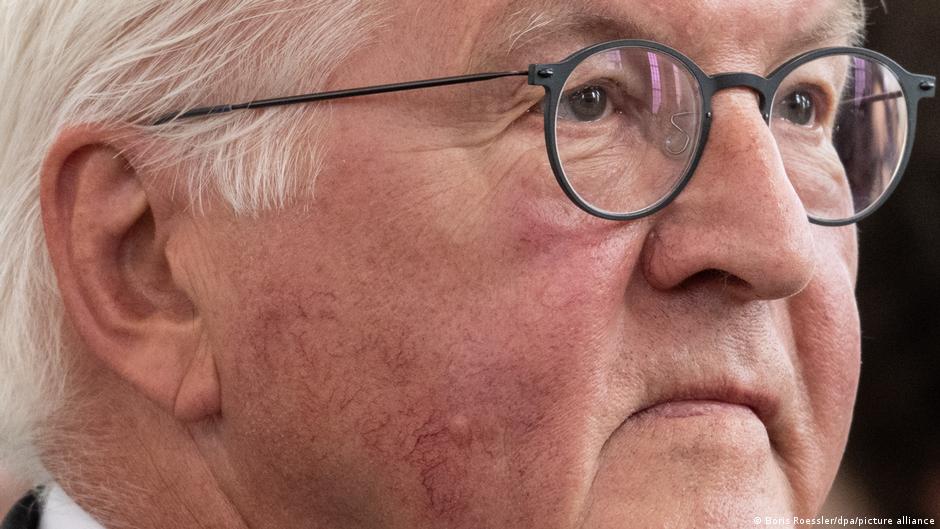
German President Steinmeier calls for Europe to uphold international order amid geopolitical tensions and highlights domestic reforms critical for economic growth and market confidence.

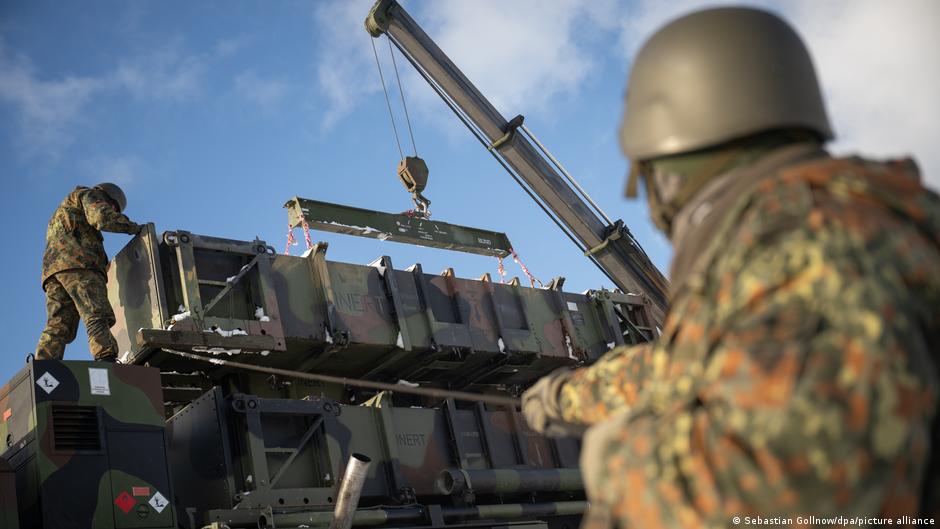
Germany’s 25.5% surge in defense spending to €124.7 billion in 2026 signals increased bond issuance and market shifts, impacting investors across NATO’s capital markets landscape.

Germany’s 2027 budget plans increased defense spending and borrowing, raising concerns over fiscal sustainability and potential impacts on capital markets and investors.

Canada’s €100 billion contract with German builder TKMS for advanced submarines boosts European defense equities and signals strong transatlantic market cooperation.

Far-right AfD leads German polls over CDU/CSU amid divided public opinion on banning the party, triggering investor caution and increased market volatility.

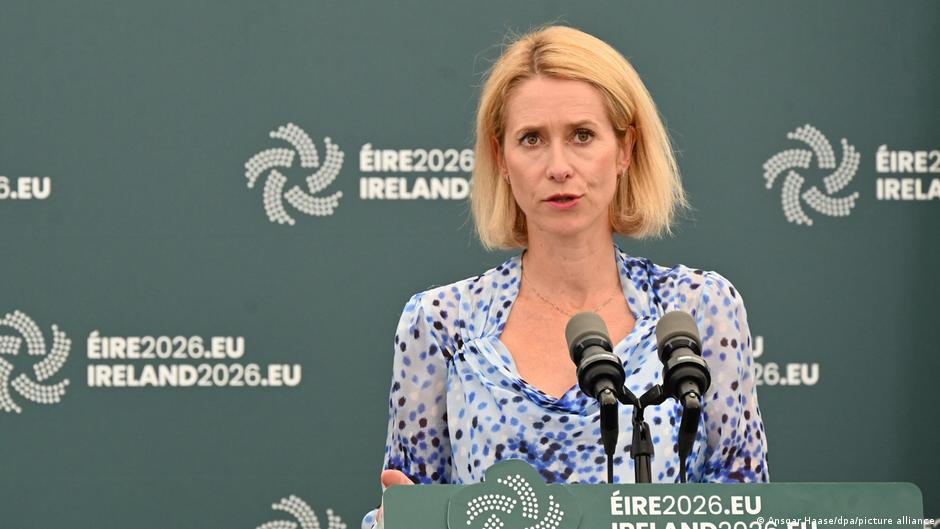
Latvian President warns NATO to prepare for Russia escalation, highlighting defense spending gaps and potential impacts on defense equities and investor strategies.

Two German businessmen admitted violating EU sanctions by exporting machinery components to Russia via shell companies, raising compliance risks for investors.

The EU cuts duty-free steel import quotas by 47% and doubles tariffs on excess imports, affecting steel equities and market dynamics.

German and U.S. foreign ministers meet amid global economic challenges, reinforcing transatlantic ties and signaling potential shifts in NATO funding and geopolitical risk management.

Germany's grant of asylum to Russian activist Ilya Shkolny reflects growing geopolitical risks from Russia's war, impacting European market sentiment and investor risk assessment.

Former President Trump praises Zelensky's leadership amid the Ukraine conflict, influencing market sentiment as investors weigh geopolitical risks and sanctions impacts.

Belgium issued one-day visas to five Taliban representatives for an EU meeting on Afghan deportations, a move impacting European migration policy and investor sentiment.

Russian missile and drone strikes in Ukraine's Kharkiv and Odessa regions increase market volatility, affecting equities and bonds amid rising geopolitical risks.

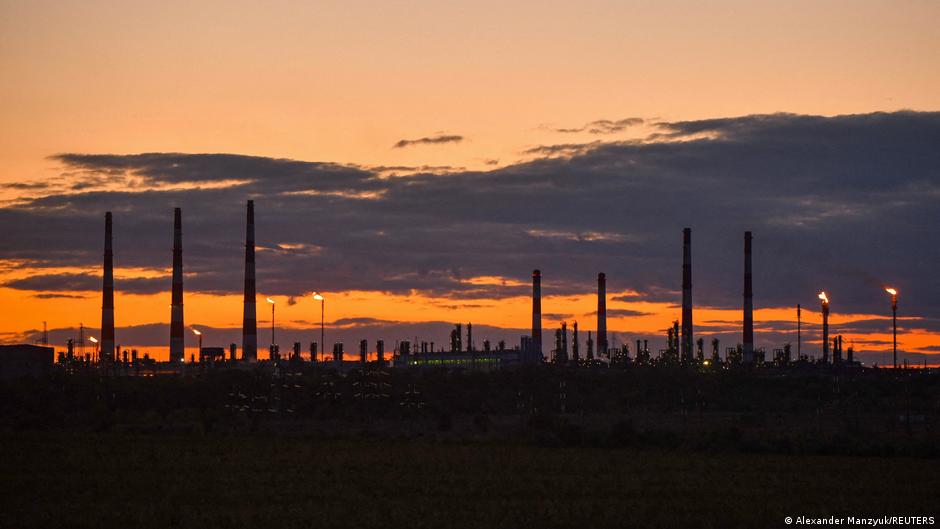
Germany urges that future EU-Turkey gas agreements exclude Russian supplies, signaling shifts in energy markets and investor strategies amid Europe's transition away from Russian energy.

The EU's discreet contacts with the Kremlin may signal a shift in the Ukraine conflict, influencing risks and investor sentiment across European equities and bond markets.

G7 leaders commit to new sanctions on Russian oil and gas sectors and increase military aid to Ukraine, impacting energy and defense markets worldwide.

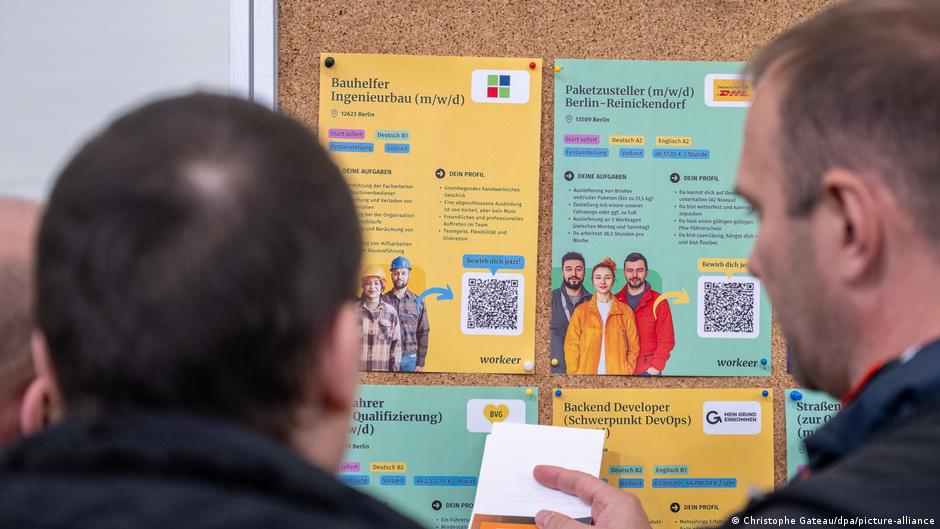
Germany faces a sharper labor shortage of 4.3 million by 2036 due to retiring baby boomers and declining immigration, affecting workforce-dependent sectors and investor strategies.

European leaders welcome the US-Iran peace deal, emphasizing regional stability, nuclear non-proliferation, and potential easing of market risks, particularly in energy sectors.

Twenty-two countries condemn Iran for attacks on their territories, raising geopolitical tensions and triggering cautious capital market responses.

Germany commits an additional €300 million to Czech-led ammunition supplies for Ukraine, supporting 50,000 rounds amid reduced funding from other countries.

Multiple Russian drone attacks over Kyiv and nearby regions raise security risks, impacting investor sentiment and capital markets amid ongoing conflict.

Drone strikes near St. Petersburg ahead of the International Economic Forum heighten geopolitical risks, influencing investor sentiment and regional market dynamics.

The UN nears bankruptcy due to delayed payments from the US and China, triggering operational cuts and investor concerns about global market stability.

Foreign governesses employed to teach Russian President Putin’s alleged children highlight costly private education, revealing elite spending patterns that influence Russia’s capital markets.

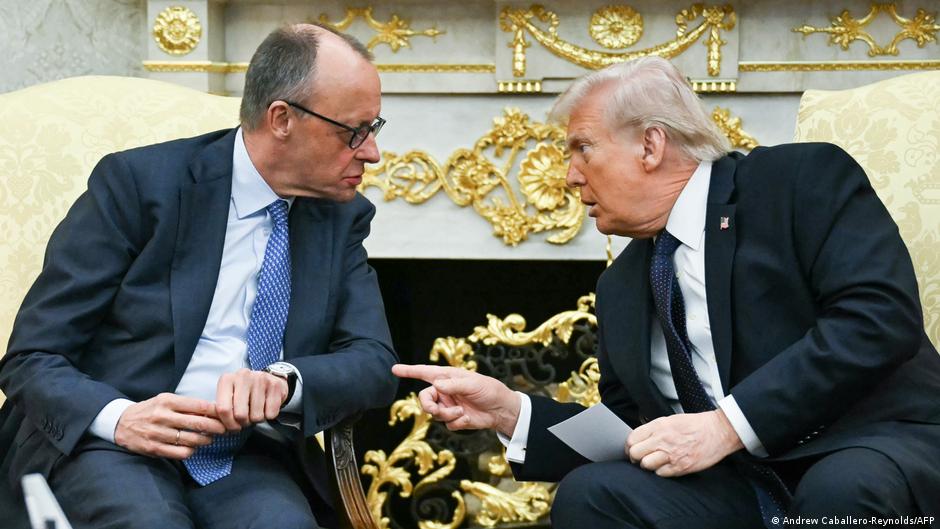
Rumors of an early replacement of German Chancellor Friedrich Merz have been denied, stabilizing political sentiment and calming capital markets amid low approval ratings.

The EU postpones naming a negotiator with Russia, focusing instead on new sanctions targeting financial and defense sectors amid ongoing Ukraine conflict.

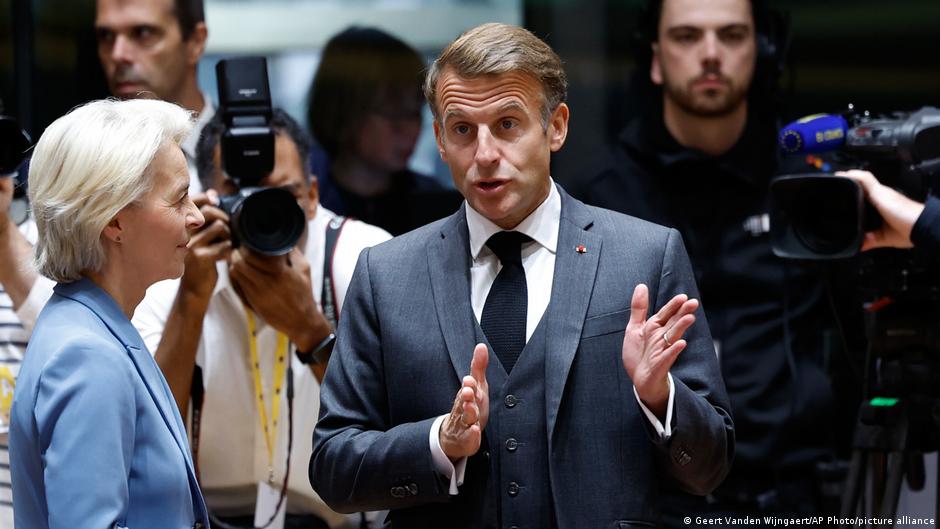
European leaders and Ukraine's president convened to discuss restarting peace talks, a move that may influence capital markets by affecting regional risk and investor confidence.