Berlin Urges Turkey-EU Gas Deals to Exclude Russian Supplies Amid Energy Transition
Germany emphasizes EU’s stance against Russian gas in new Turkey energy agreements, impacting market dynamics and investor strategies.
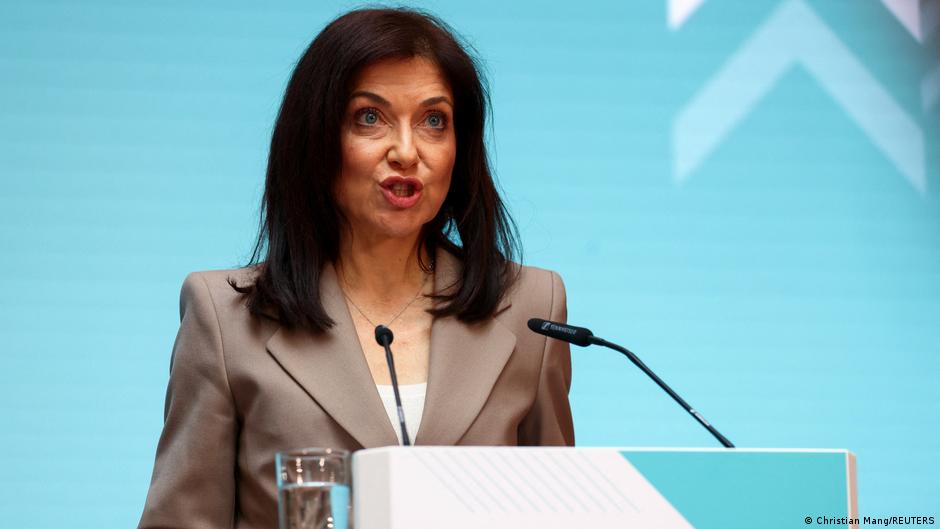
During a two-day visit to Ankara, Germany’s Economy Minister Katherina Reiche stressed that any future gas supply agreements between Turkey and the European Union must exclude Russian sources. This firm stance reflects the EU’s ongoing efforts to reduce dependency on Russian energy amid geopolitical tensions.
Market Implications of EU-Turkey Energy Discussions
Germany, representing the EU position, made clear that Brussels will insist on gas supplies from non-Russian origins in upcoming contracts involving Turkey. Reiche’s visit included meetings with Turkish Energy Minister Alparslan Bayraktar, highlighting the strategic importance of Turkey as both a trade partner and a potential regional energy hub.
"Brussels will insist on gas supplies not originating from Russia as part of any future energy agreements involving Turkey," Reiche stated during her visit.
Turkey, currently the second-largest importer of Russian gas, is negotiating with Moscow to renew existing contracts nearing expiration. Simultaneously, Ankara aims to elevate its regional status by developing infrastructure to become a significant gas transit and trading hub. This dual approach introduces complexity into the gas market, affecting supply diversification strategies for European importers.
From a capital markets perspective, the EU’s push to exclude Russian gas in new Turkey deals signals a shift that may reshape regional energy flows and investment opportunities. Equities in energy companies pivoting to alternative suppliers or infrastructure development in Turkey may see increased investor interest. Conversely, firms heavily reliant on Russian energy imports could face market headwinds due to policy uncertainties.
Reiche acknowledged Turkey’s recognition of the EU’s determination to sever reliance on Russian raw materials. However, Turkish officials noted the practical challenges involved: an immediate switch from Russian gas is currently unfeasible both economically and resource-wise. This reality could create transitional volatility in gas prices and contract negotiations, which investors should monitor closely.
Moreover, Turkey’s oil refineries have increased crude purchases from Iraq and Kazakhstan as part of broader diversification efforts following Western sanctions imposed on Russia’s oil sector. This adjustment hints at shifts in commodity flows that may influence regional bond markets tied to energy and infrastructure financing.
For investors, these developments underscore the importance of tracking geopolitical moves and supply chain diversification in the energy sector. The evolving Turkey-EU dynamics could open avenues for capital deployment in liquefied natural gas (LNG) projects, pipeline expansions, and alternative energy ventures, while also posing risks linked to contract renegotiations and regional political uncertainties.
In summary, the insistence by Berlin and Brussels on excluding Russian gas from new agreements with Turkey reflects a broader trend of energy realignment in Europe, with significant ramifications for capital markets. Stakeholders should remain vigilant as these geopolitical factors continue to influence energy equities, bond yields, and investor risk assessments in the region.