Ukraine Imposes Sanctions on Vessels and Companies Over Illegal Grain Exports from Occupied Territories
Kyiv targets 13 ships and 28 firms to curb unauthorized grain exports amid ongoing conflict with Russia.
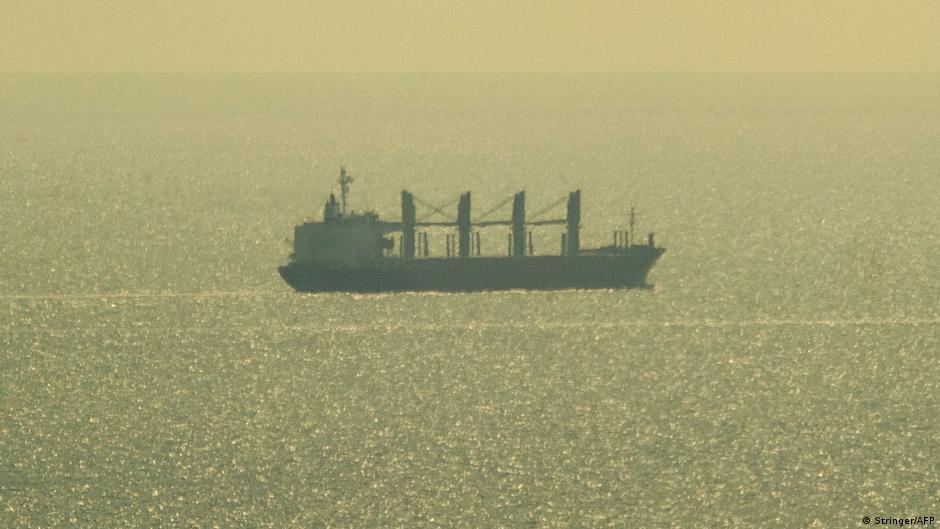
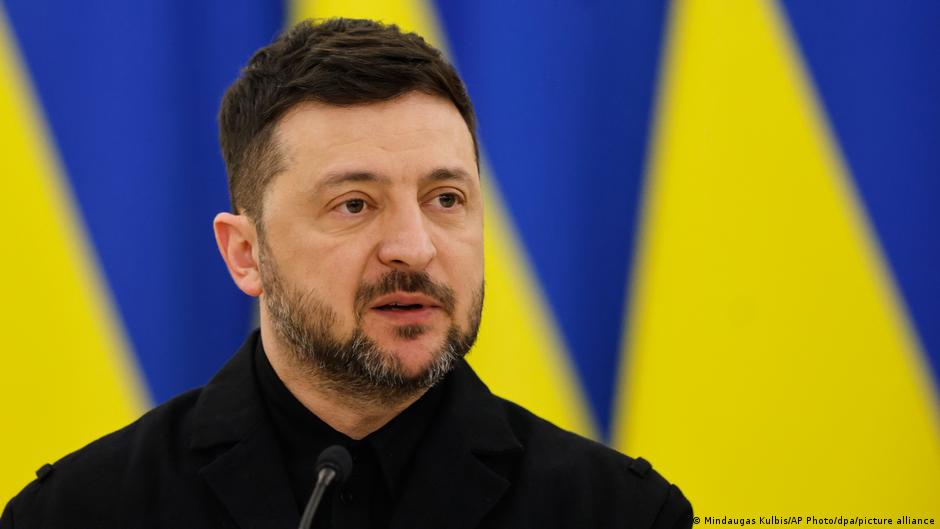
Ukraine has implemented sanctions against 13 vessels and 28 companies involved in the illegal export of grain from territories occupied by Russia. The move, formalized by President Volodymyr Zelensky's decree on August 14, aims to prevent unauthorized sales of Ukrainian grain abroad, signaling heightened regulatory risks for market participants connected to the region's agricultural exports.
Sanctions Detail and Market Implications
The sanctions follow a decision by Ukraine's National Security and Defense Council to penalize individuals, ships, and companies complicit in these unauthorized activities. The affected vessels are registered under multiple flags, including Russia (8 ships), Panama (3 ships), Belize (1 ship), and Saint Kitts and Nevis (1 ship). Additionally, 11 Russian citizens and 28 legal entities are subject to restrictive measures.
According to Vladyslav Vlasyuk, Ukraine's presidential envoy on sanctions policy, "Illegal export of Ukrainian grain from temporarily occupied territories must have consequences for everyone involved—from companies and owners to captains and vessels." Kyiv has committed to sharing comprehensive information with allied nations to synchronize sanctions enforcement across international jurisdictions.
"Illegal export of Ukrainian grain from temporarily occupied territories must have consequences for everyone involved—from companies and owners to captains and vessels." — Vladyslav Vlasyuk, Presidential Envoy on Sanctions Policy
These sanctions compound existing challenges for the grain export sector, a significant component of Ukraine's economy and a key segment for global agricultural commodity markets. Investors in equities and bonds tied to shipping, agriculture, and regional trade infrastructure should closely monitor further developments, as expanded sanctions may disrupt supply chains and affect commodity prices.
Notably, Ukraine had previously introduced sanctions in November 2022 against 56 vessels that had illegally accessed Russian-occupied ports to export wheat, sunflower seeds, and other food products. The continuation and expansion of these measures highlight ongoing geopolitical risks and the potential for regulatory escalation affecting maritime logistics and commodity flows in Eastern Europe.
Market participants and investors should evaluate the broader impact of these sanctions within the context of Ukraine's conflict dynamics and international trade policies, as they bear implications for asset valuations, trade volumes, and supply security in agricultural commodities.