Zelensky Says North Korea Plans to Send 10,000 More Troops to Russia
Ukraine’s president cited intelligence that more than 8,000 North Korean soldiers are already in Russia, adding geopolitical risk for investors.
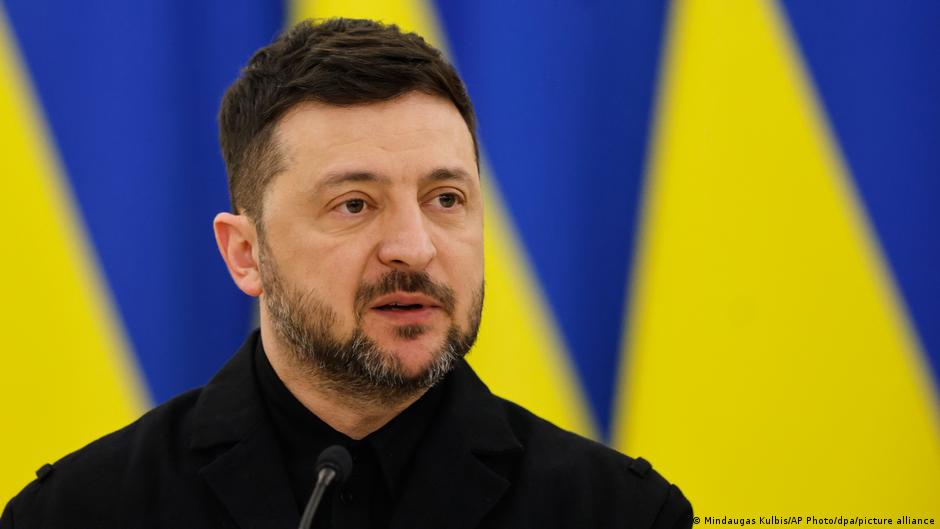
Ukrainian President Volodymyr Zelensky said North Korea is preparing to transfer about 10,000 additional troops to Russia, a development that would deepen the military alignment between Moscow and Pyongyang and add another layer of geopolitical risk for global markets.
Speaking in his evening address on Monday, September 28, Zelensky cited “new data” from a report by Ukraine’s Main Intelligence Directorate at the Ministry of Defense. He said more than 8,000 North Korean soldiers are already on Russian territory, while further personnel are being selected for training and subsequent deployment to Russia.
For investors, the remarks point to a conflict that remains vulnerable to escalation and external support networks, with implications for defense stocks, energy pricing, sovereign risk and demand for safe-haven assets. Any expansion of foreign troop involvement could complicate assumptions about the trajectory of the war, the durability of sanctions pressure and the broader risk premium attached to Eastern Europe.
“It is important that the governments of the countries from which Russia recruits people into its army counteract this. We will inform every government,” Zelensky said.
Market Risk Centers on Escalation and Sanctions
Zelensky said Russian authorities “plan to increase” the recruitment of foreigners to participate in the war against Ukraine. While the immediate military impact remains uncertain, the financial market relevance is clear: a more internationalized conflict could keep geopolitical volatility elevated and reinforce investor interest in assets tied to defense procurement, cybersecurity, energy security and strategic commodities.
Equity markets typically react to such developments through sector rotation rather than broad, uniform moves. Defense contractors and companies exposed to military logistics may draw attention if investors judge that European and allied defense spending will remain structurally higher. At the same time, companies with meaningful exposure to the region, supply chains linked to energy flows, or sensitivity to European consumer confidence may face renewed scrutiny.
Bond markets may also read the report through the lens of risk appetite. Heightened geopolitical tension can support demand for high-quality government bonds, particularly when investors reassess the probability of shocks to energy markets, inflation expectations or fiscal spending. In Europe, any perception that the war could extend further or require additional support for Ukraine may also feed into debates over defense budgets and public borrowing.
According to South Korean intelligence estimates cited in the report, North Korea has already sent about 15,000 troops to support Russia in the war. In return, Pyongyang is believed to receive money, military technology and security guarantees from Moscow. Zelensky said in August that North Korea intended to place between 30,000 and 50,000 fighters on Russian territory.
Seoul-Kyiv Dispute Adds Diplomatic Tension
Zelensky’s latest comments came against the backdrop of a dispute between Kyiv and Seoul that erupted several days earlier. South Korean President Lee Jae-myung sharply criticized Ukrainian authorities after Zelensky publicly disclosed the transfer to Seoul of two North Korean soldiers captured during fighting by Ukraine’s armed forces in Russia’s Kursk region.
Lee accused Zelensky of violating an agreement on confidentiality. Zelensky’s office responded that no agreement existed between the two countries requiring the information to remain undisclosed. Seoul called that statement false.
On September 28, South Korea’s Foreign Ministry summoned Ukraine’s acting ambassador. According to Yonhap, South Korea’s deputy foreign minister conveyed Seoul’s “firm position” on the matter to the Ukrainian diplomat.
For capital markets, the diplomatic dispute matters because South Korea is not only a major U.S. ally but also a critical node in global technology, defense manufacturing and supply chains. Friction between Seoul and Kyiv over intelligence handling does not by itself imply a shift in policy, but it introduces uncertainty into a sensitive area where military information, captured personnel and regional security interests overlap.
The broader investor takeaway is that the war continues to generate cross-border consequences beyond the battlefield. North Korean manpower, Russian military demand, South Korean intelligence assessments and Ukrainian diplomatic messaging all intersect with market concerns about sanctions, defense spending, energy security and global risk sentiment.
Investors are likely to watch whether governments named or implicated in foreign recruitment efforts respond publicly, and whether Seoul’s diplomatic criticism affects coordination with Kyiv. They will also monitor any signs that North Korea’s role expands beyond troop deployments into technology transfers or deeper military cooperation with Russia.
For now, Zelensky’s statement reinforces a familiar but still market-moving theme: the conflict remains a live geopolitical risk, and one that can influence equities, bonds and commodities even when the front-line details are uncertain.