Business
Russian-Flagged Ship Registry Expands as Sanctions Pressure Shadow Fleet
CREA says Russia’s ship registry grew 36% as sanctions pressure pushed shadow fleet vessels toward Russian registration.
Editorial Team·
·4 min
CREA says Russia’s ship registry grew 36% as sanctions pressure pushed shadow fleet vessels toward Russian registration.
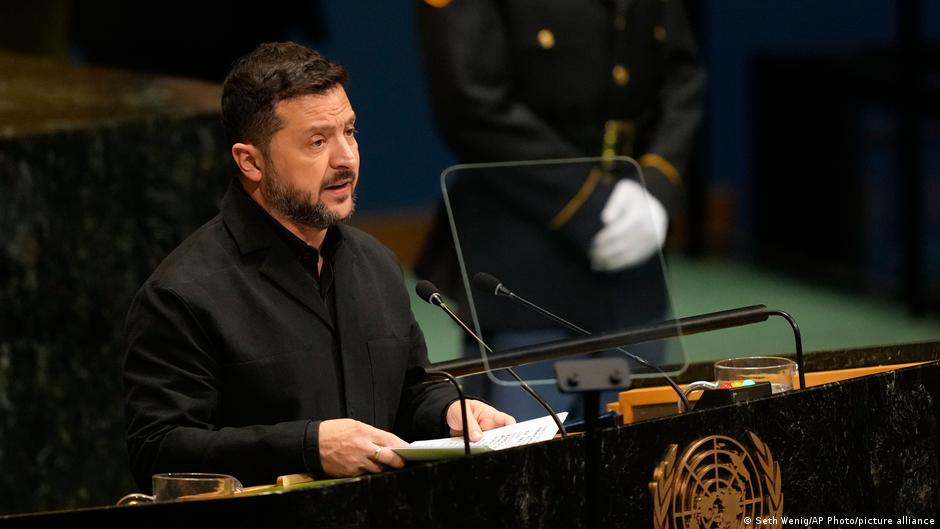
Zelenskyy’s UN remarks put Russia’s oil revenues, energy infrastructure and war financing back at the center of investor risk assessments.
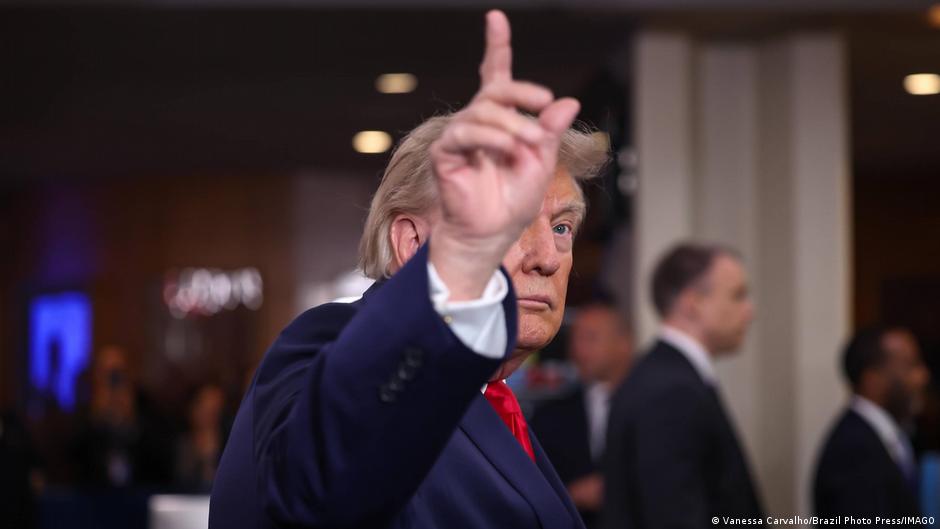
Trump said U.S.-Iran talks at the U.N. were very productive, giving markets a fresh signal on oil, shipping and geopolitical risk.
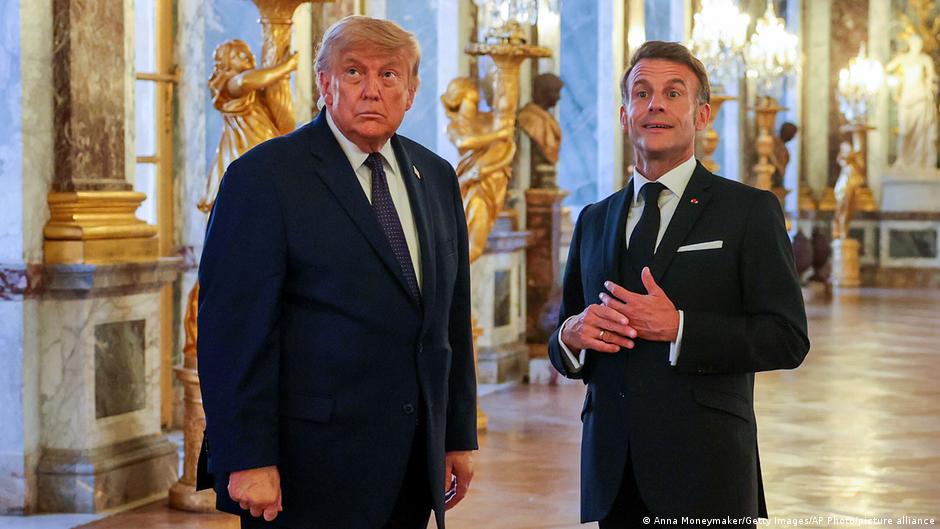
Macron and Trump discussed protecting Ukraine’s energy and civilian infrastructure as investors watch war risk, sanctions and defense demand.
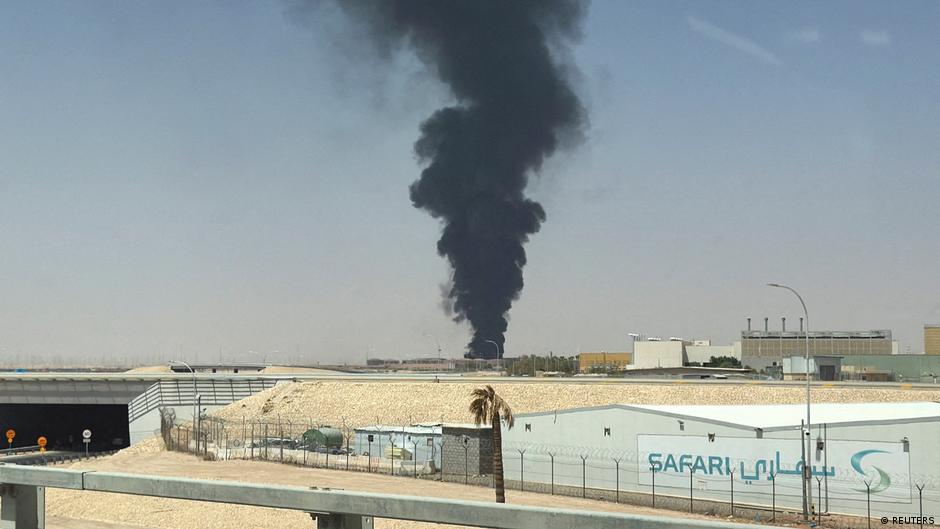
Saudi Arabia said it intercepted a Houthi missile aimed at Riyadh, heightening investor concern over Aramco assets and Red Sea oil routes.
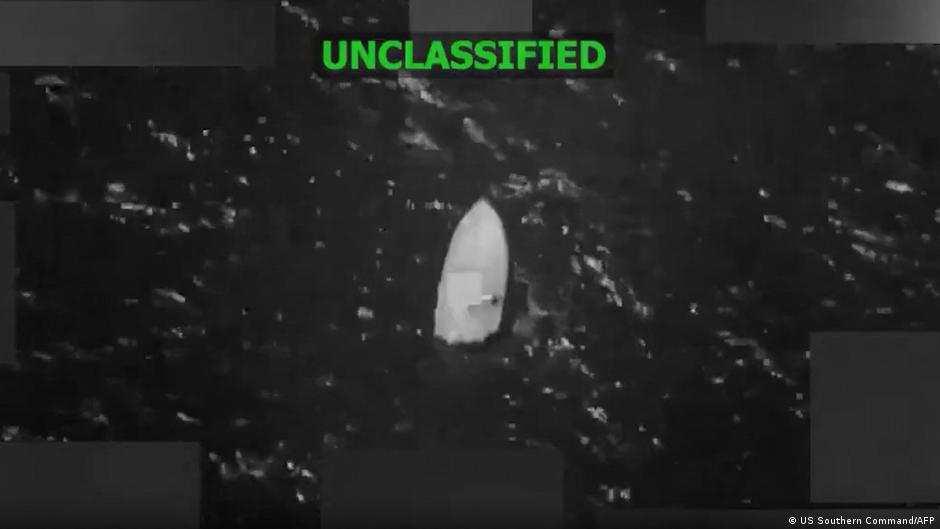
The U.S. said four people were killed in a Caribbean drug-boat strike, adding to a campaign watched by investors for policy and geopolitical risk.
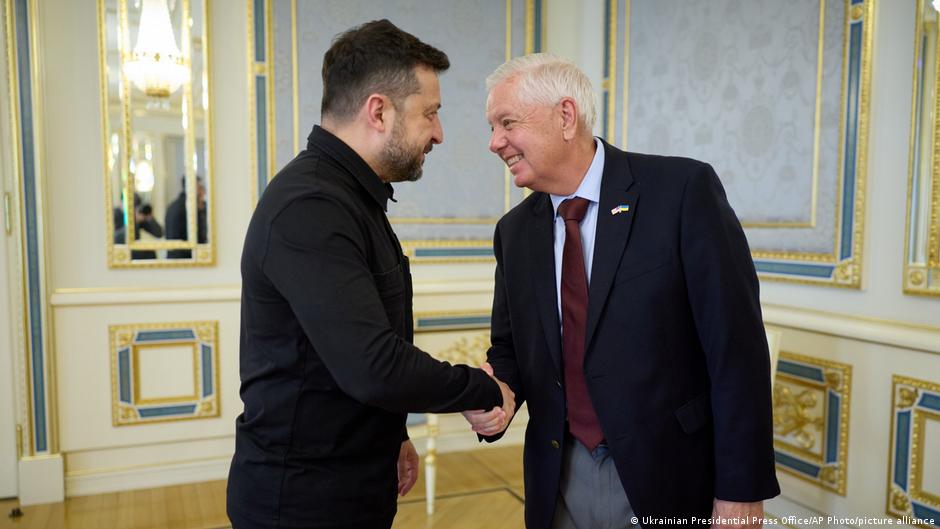
Trump signed the Graham sanctions law, giving the White House new tariff powers over Russian energy buyers and raising market uncertainty.
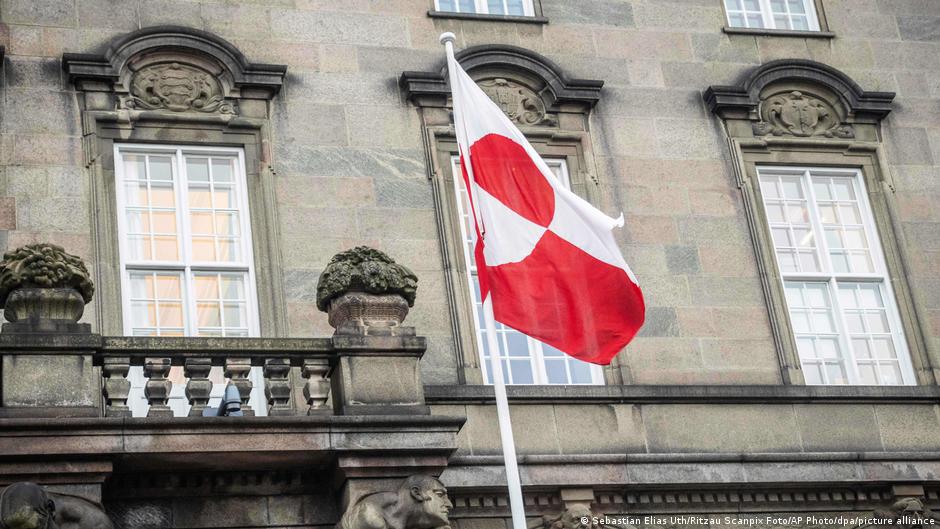
Trump says the U.S. has reached Greenland security understandings with Denmark and Nuuk, but local statements suggest final documents may still be pending.
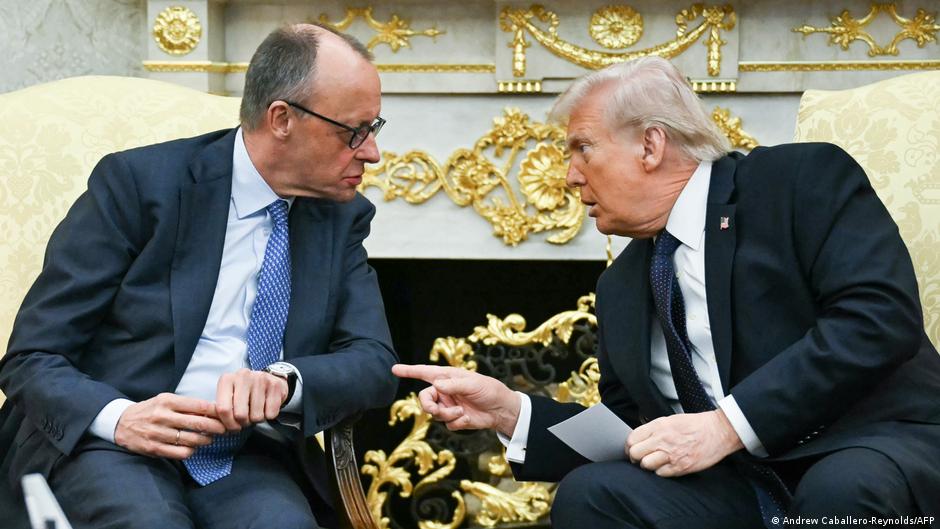
Merz said unconditional U.S.-German friendship may be over, pointing to defense spending, trade tensions and growth risks for investors.
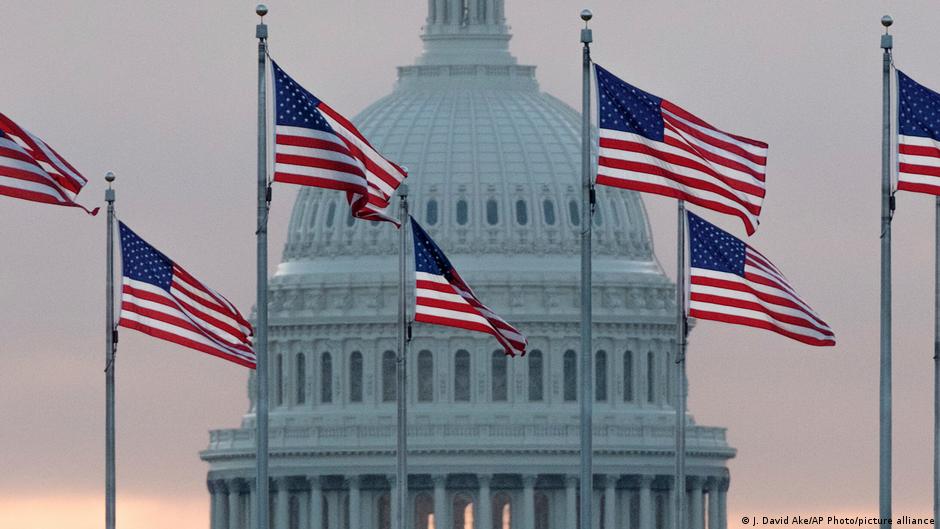
The House advanced a sanctions bill that could allow 100% tariffs on major buyers of Russian energy, adding tariff and inflation risk for investors.
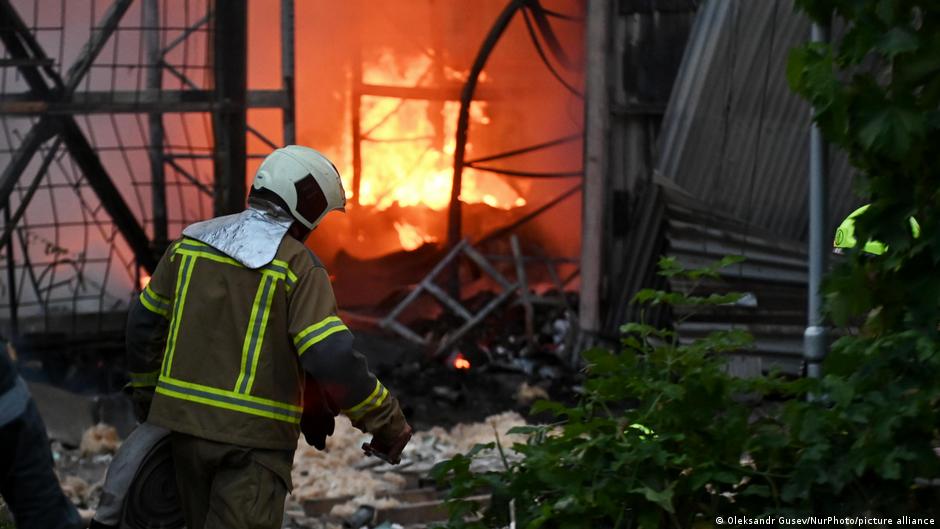
Russian drone strikes hit Kyiv fuel stations, warehouses and Odesa port infrastructure, raising fresh concerns for investors watching regional risk.
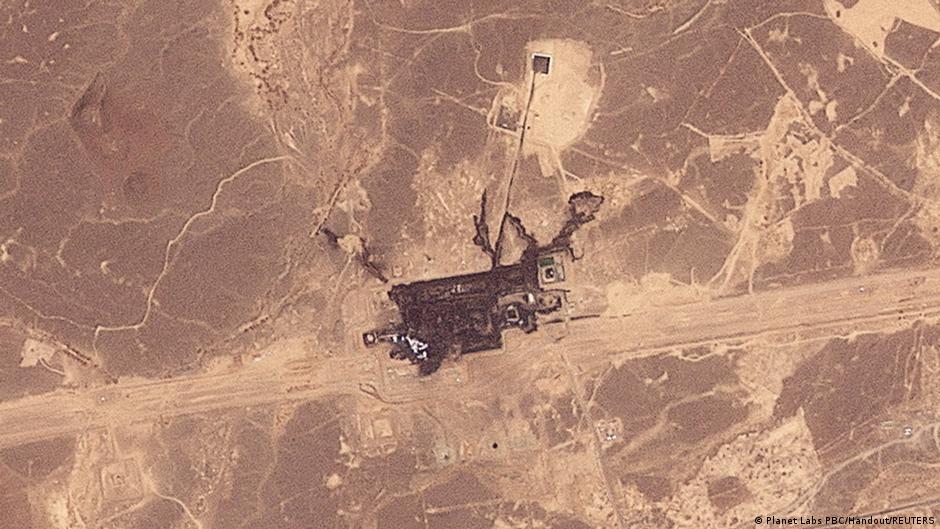
A Saudi pipeline shutdown could threaten 4% of global oil supply, raising risks for crude prices, energy stocks and bond markets.
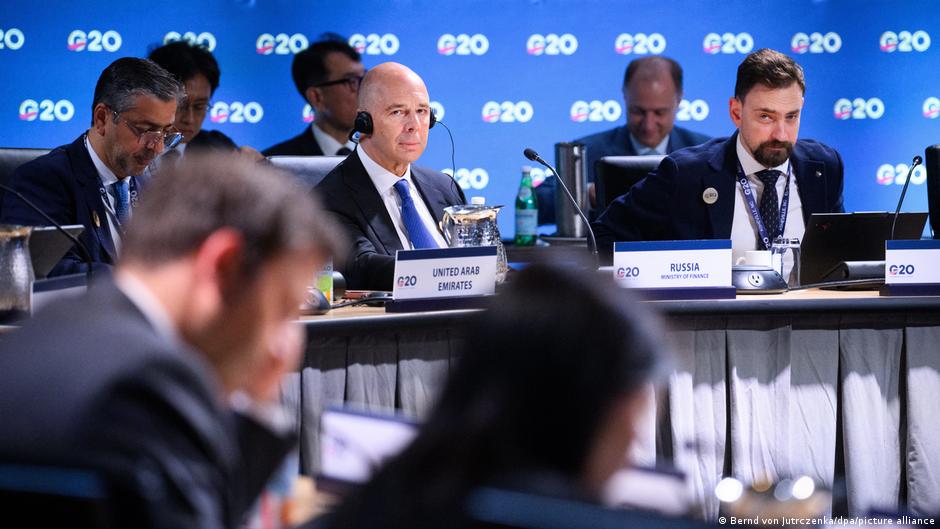
Russia is expected at next week’s G20 energy talks in Houston, putting energy security and sanctions risk back in focus for investors.

Houthi forces captured Mocha, strengthening their position near Bab el-Mandeb and raising investor concerns over oil supply and market volatility.

Zelensky expects late-September talks with U.S. officials on food and energy security as Black Sea exports and infrastructure risks remain in focus.
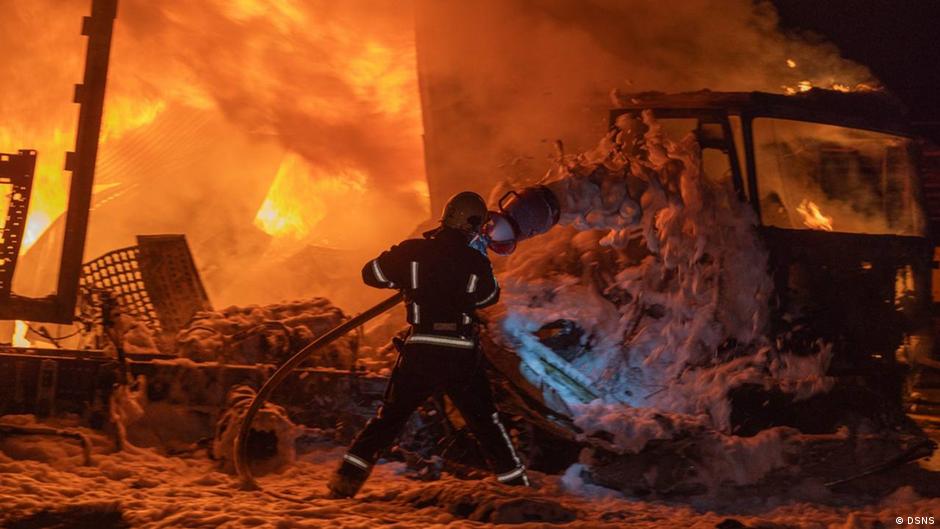
Russian strikes killed civilians in Sumy and Mykolaiv and damaged port infrastructure, reinforcing risks for Ukraine-linked markets.
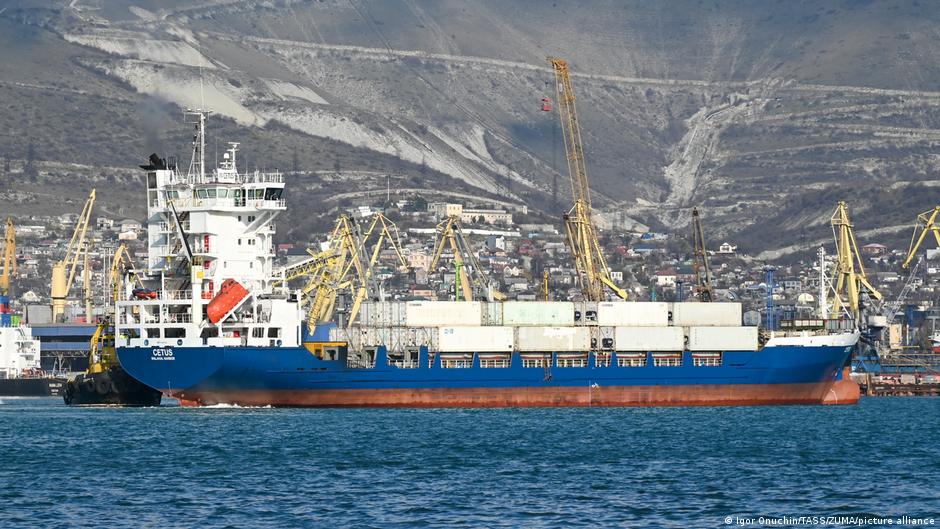
A drone attack on Novorossiysk renews investor focus on Russian export infrastructure, with ASTRA reporting fires at a fuel oil terminal and a residential building.
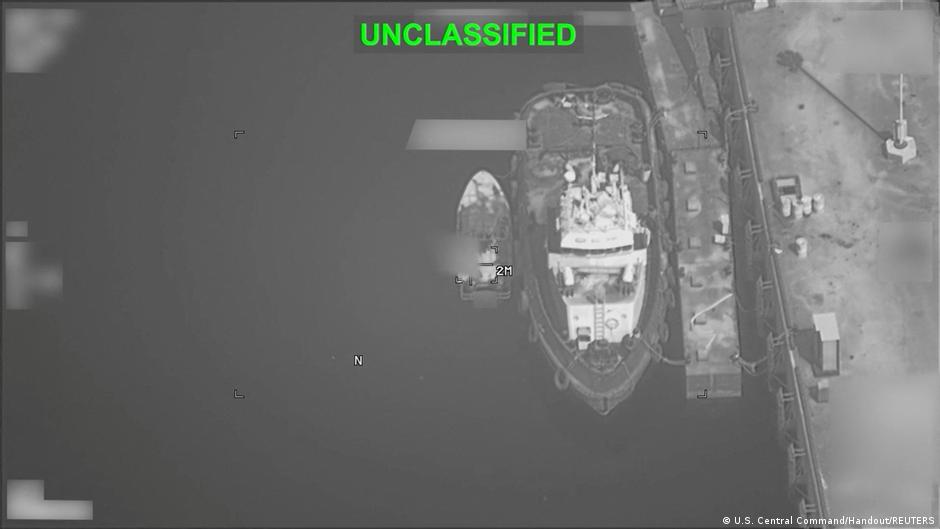
CENTCOM said it destroyed five Iranian oil tankers after missile attacks on a U.S. Navy ship, sharpening market focus on Hormuz risk.
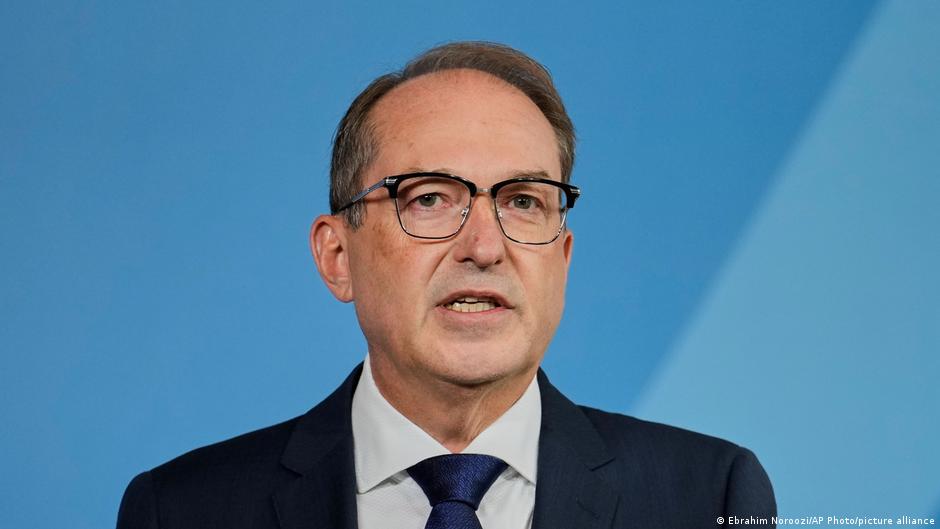
Germany plans new drone and cyber defenses after the Leipzig airport incident, raising investor focus on infrastructure, defense and security costs.
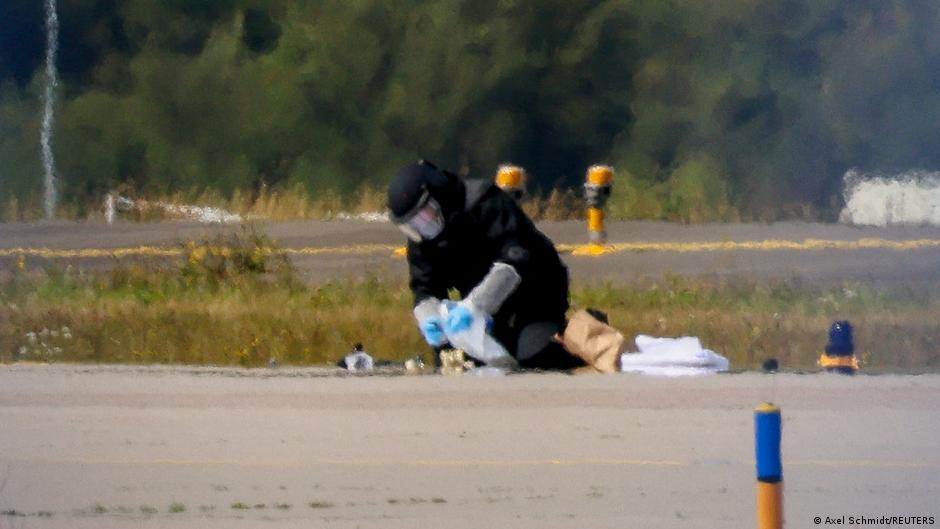
Latvia says a Leipzig sabotage suspect with a Latvian passport had lived in Russia, sharpening investor focus on sanctions, logistics and EU security risk.
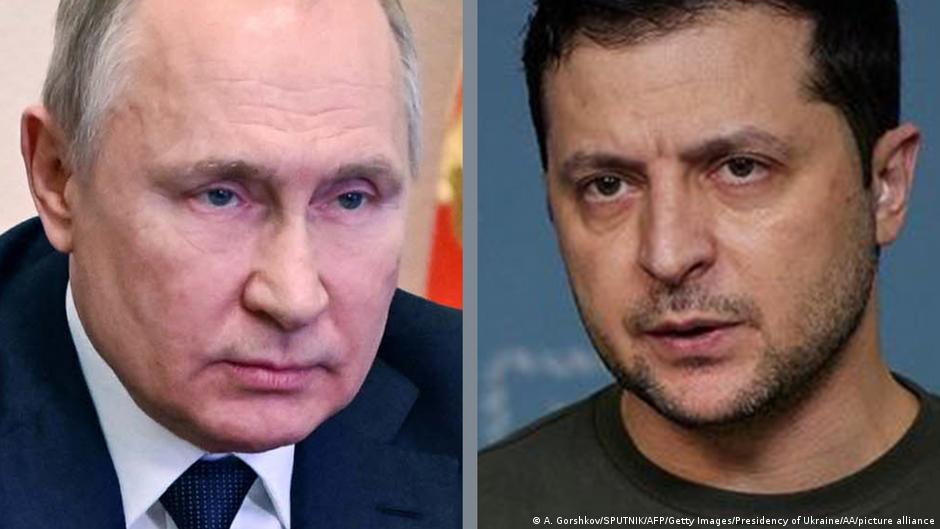
Putin said peace is possible through diplomacy, while Zelensky said U.S. envoys will visit Kyiv and Moscow to discuss a possible agreement.

Norway’s seizure of a Russian research vessel in a Naftogaz claim highlights growing enforcement risks around Russian state-linked assets abroad.

Russia said it will close Goethe Institute branches after Berlin tightened sanctions and moved against Russian diplomatic and cultural operations.
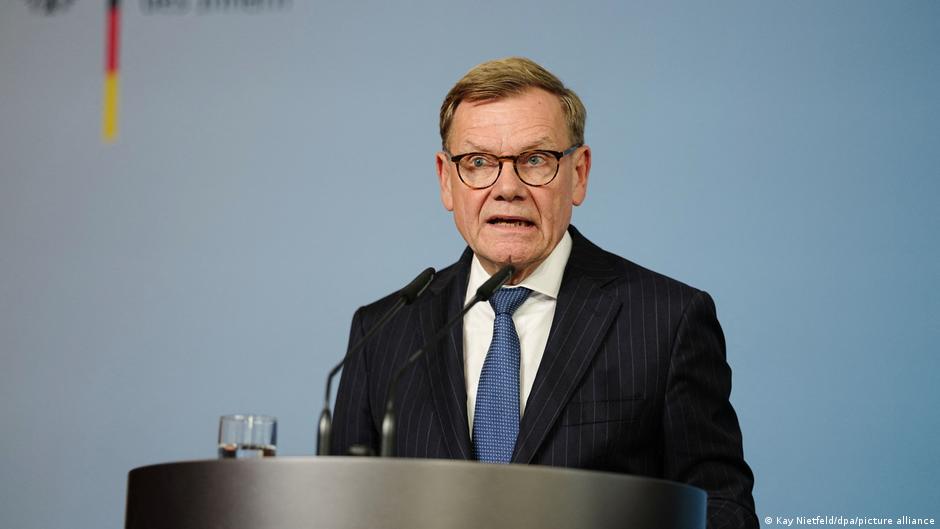
Germany’s new moves against Russia sharpen geopolitical risk for European markets and keep sanctions-sensitive sectors in focus for investors.
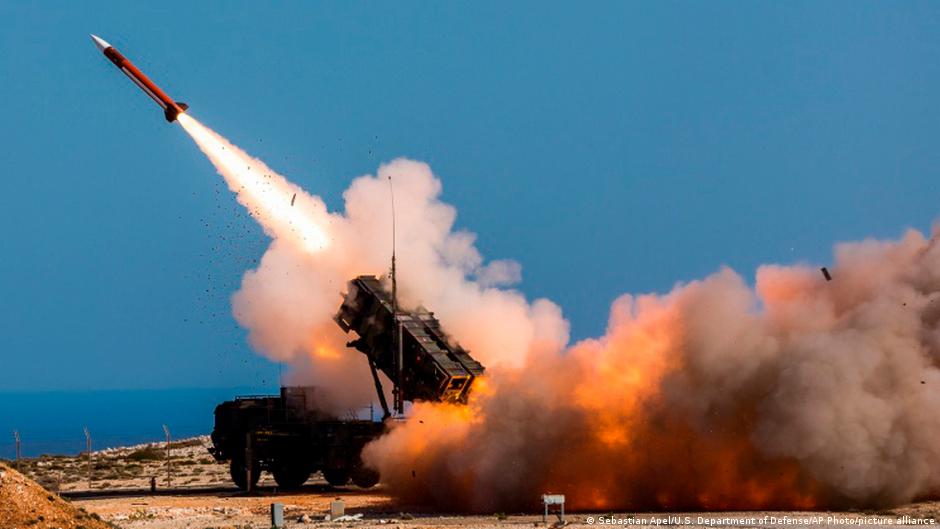
NATO affirms readiness after Iran reportedly plans strikes on military bases in Bulgaria and Cyprus, raising geopolitical risks that affect European market stability and investor confidence.
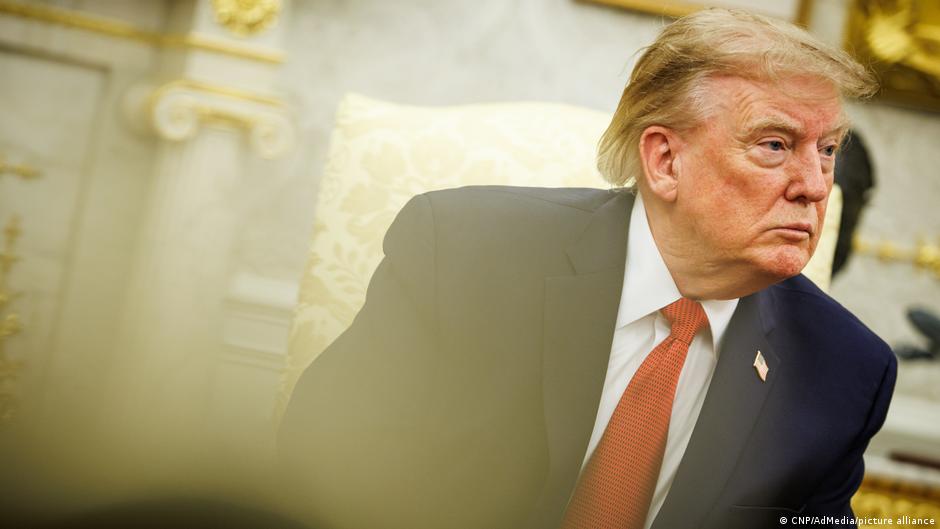
President Trump declares unprecedented economic war on Iran with sweeping sanctions, heightening risks and volatility in energy and financial markets worldwide.
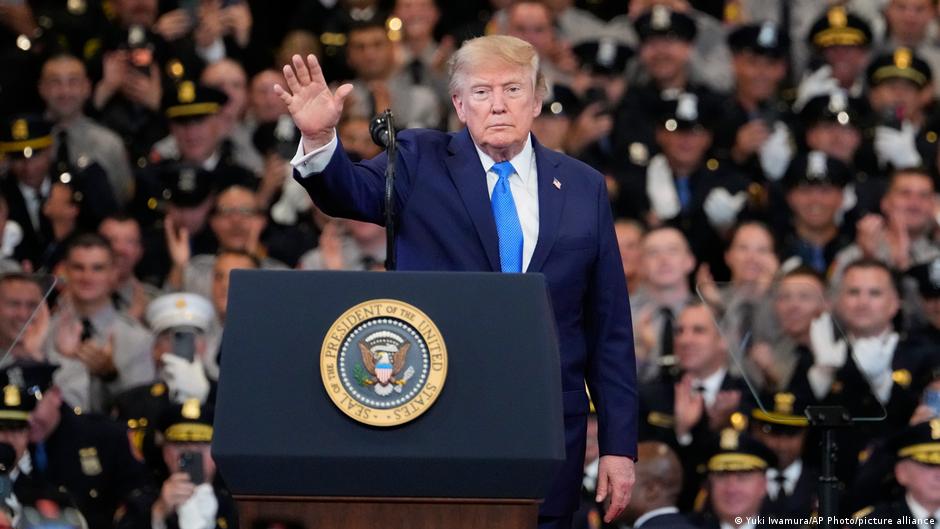
Trump threatens Oman with bombing over obstructing US-Iran talks on Strait of Hormuz, escalating geopolitical risks that impact oil markets and investor sentiment.

Qatar denies holding Iranian pilots amid Middle East conflict, a claim adding to regional tensions that continue to influence capital markets and investor confidence.
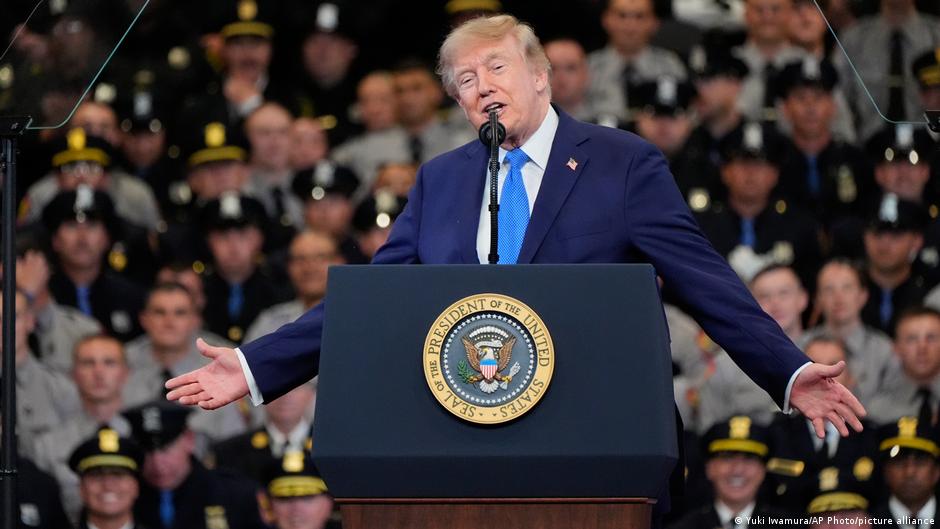
President Trump’s move to declare the Strait of Hormuz US territory signals indefinite military deployment, escalating geopolitical risks and impacting global oil markets and investments.
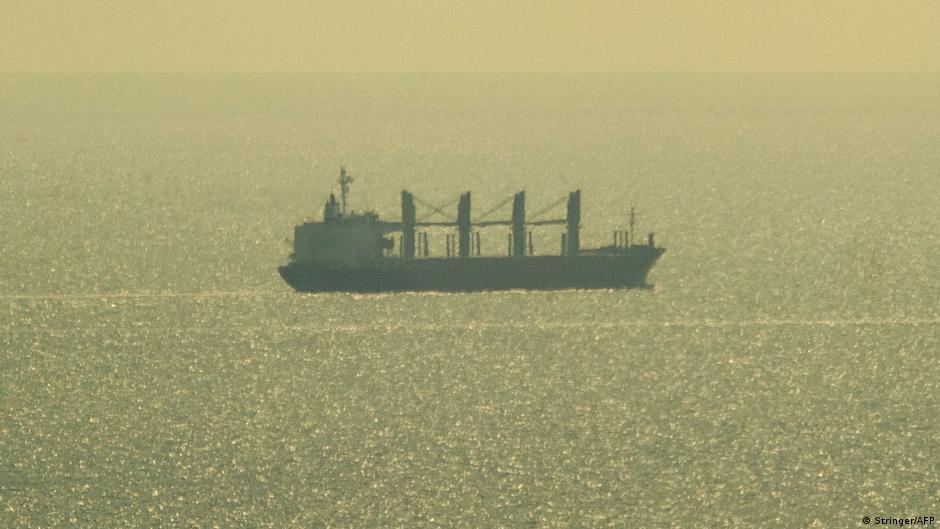
Ukraine sanctions 13 ships and 28 companies over illegal grain exports from Russian-occupied territories, signaling increased risks for related markets and investors.
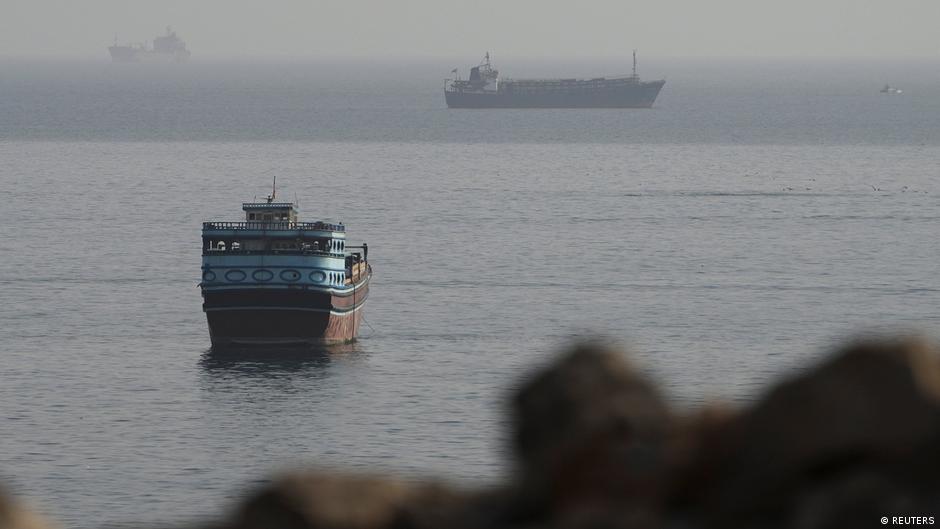
US military disabled a cargo ship attempting to breach Iran blockade in Strait of Hormuz, escalating maritime tensions and injecting volatility into energy markets and global shipping.
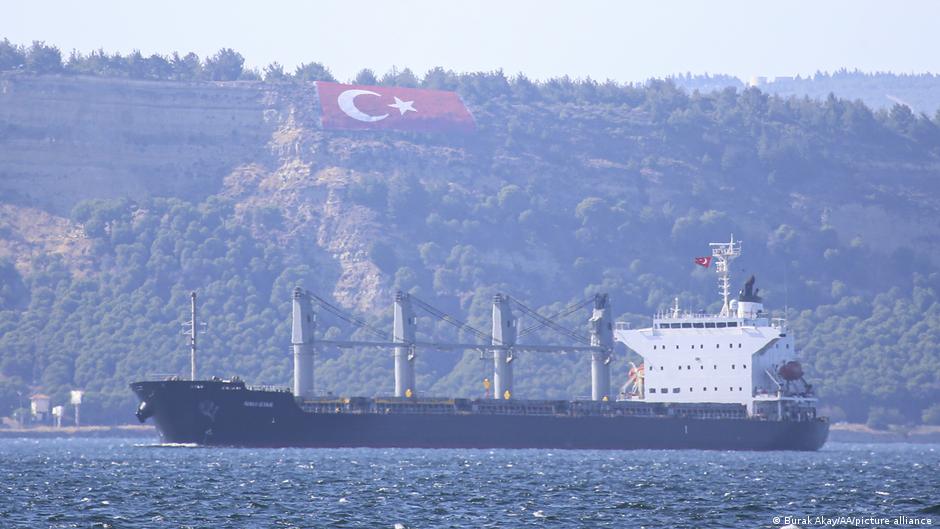
Turkey has reopened its straits to commercial shipping, easing recent restrictions that impacted Black Sea trade routes amid regional security threats.
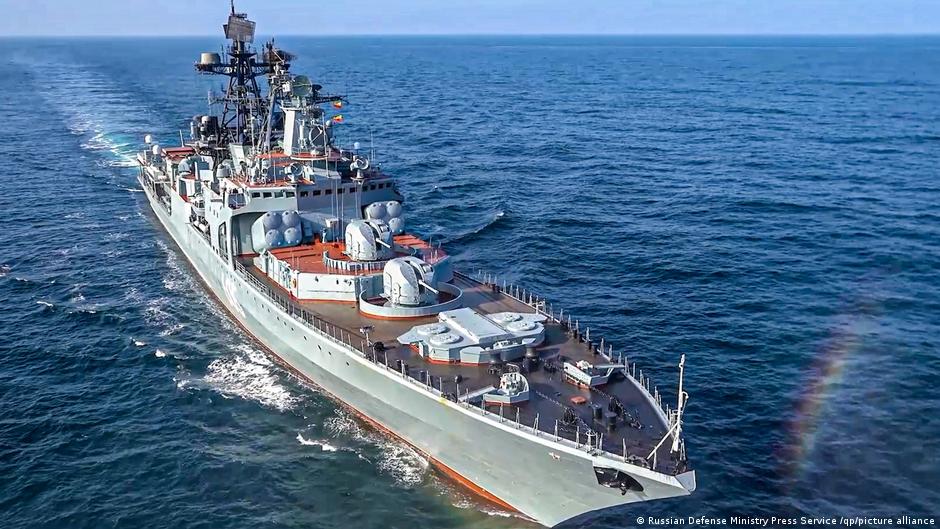
The deployment of Russia's anti-submarine ship Admiral Levchenko in the Baltic Sea near Germany signals increased maritime security efforts affecting European energy shipping routes and investor risk assessments.
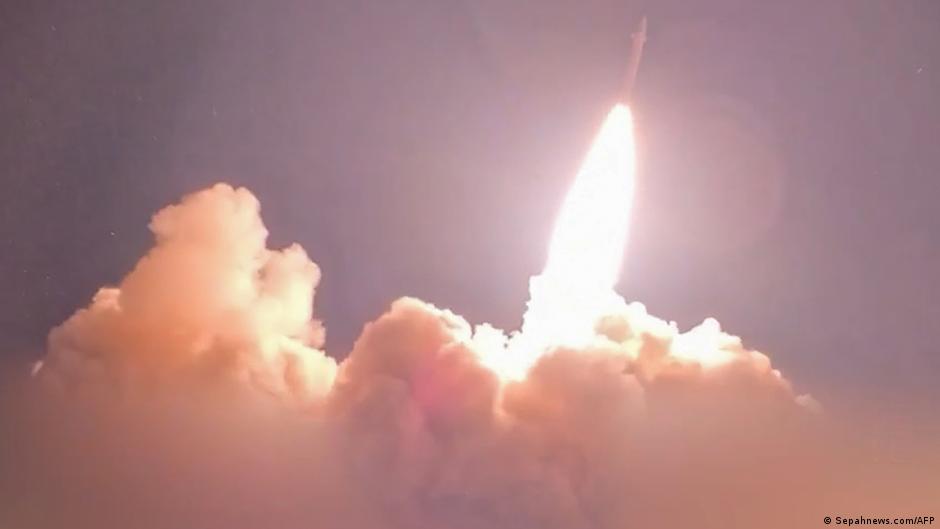
US forces intercepted ballistic missiles from Iran, heightening geopolitical risks that influence energy markets, equities, and bonds amid regional tension.
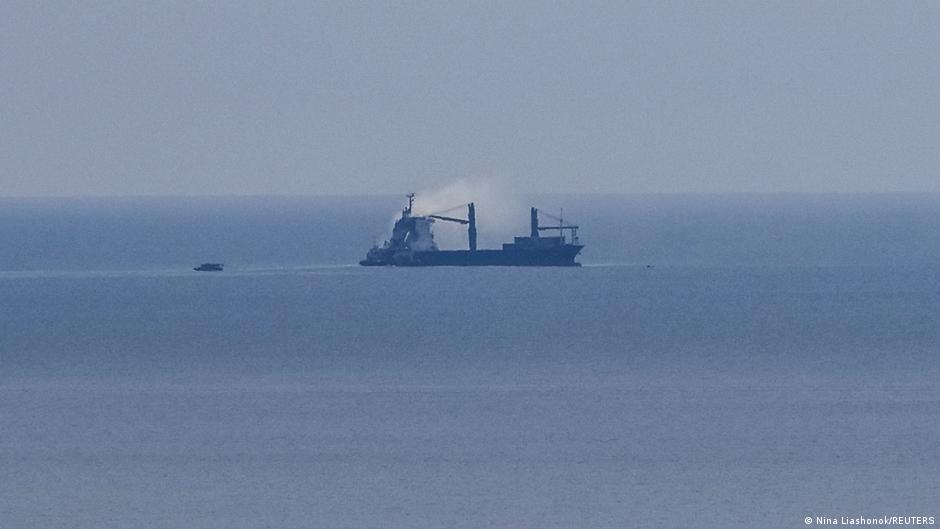
Russia’s attacks on Black Sea commercial vessels have heightened geopolitical risks, disrupting trade routes vital for global food security and prompting an emergency UN Security Council meeting.
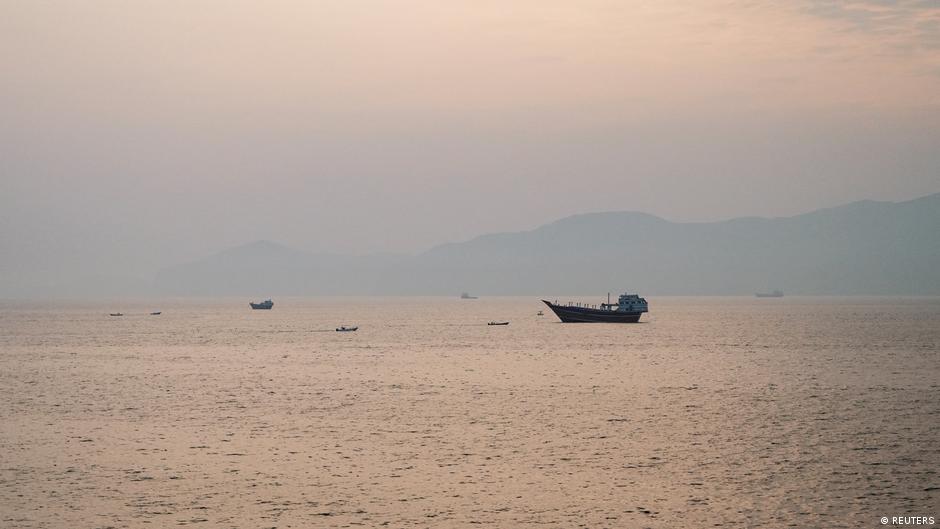
Iran’s IRGC mined an oil tanker in the Strait of Hormuz, raising regional tensions and impacting energy markets and shipping risks for investors.
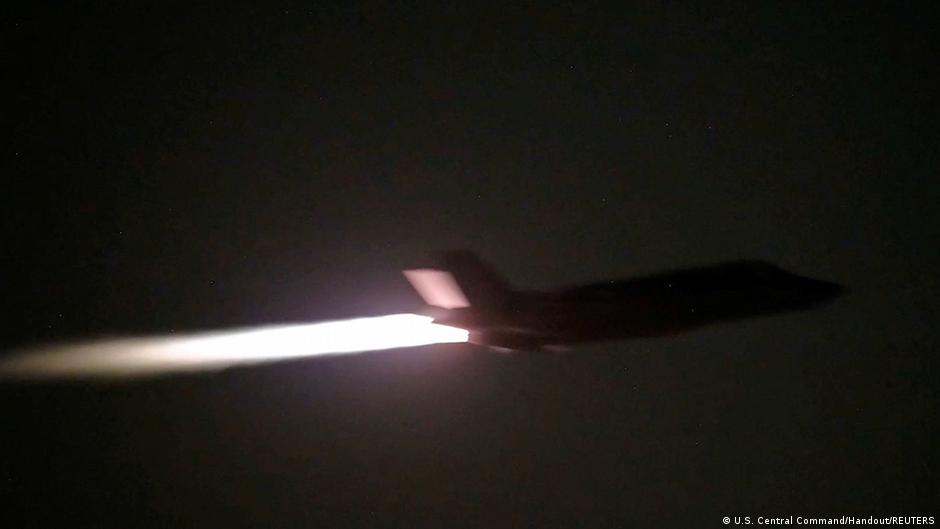
US forces conducted airstrikes on Iran for the 11th night amid escalating regional conflict, affecting energy supply routes and increasing market uncertainty for investors.
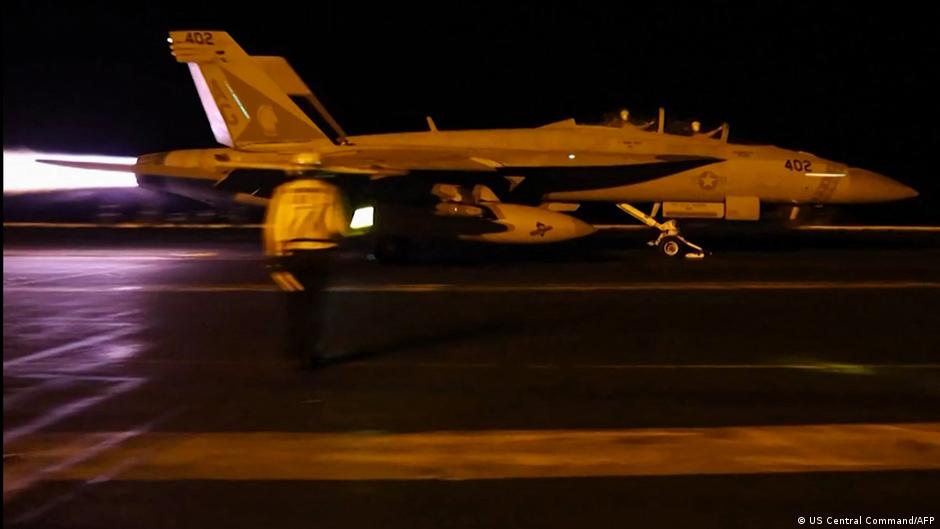
US military strikes against Iran enter tenth day, heightening risks for energy markets and global investors amid escalating Middle East tensions.
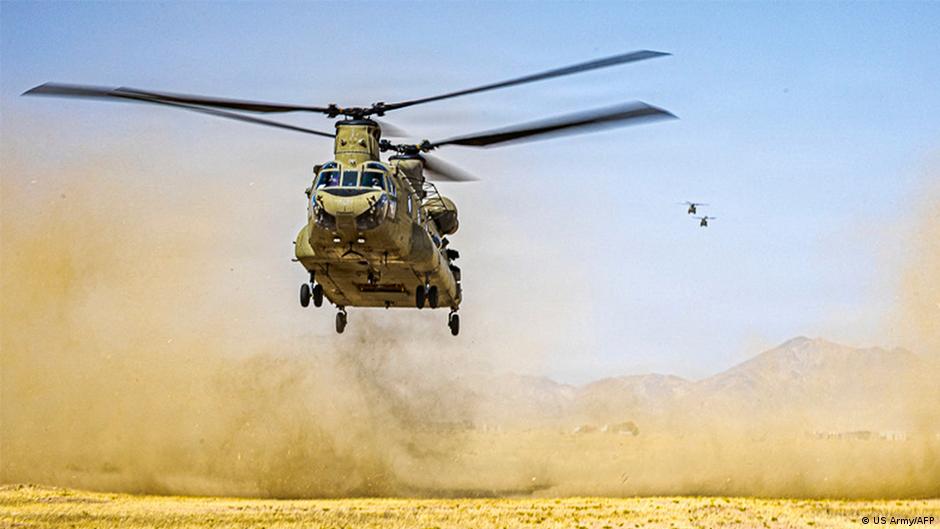
US military deaths in the Iran conflict have increased to 17, prompting heightened market volatility and impacting energy, defense equities, and bond markets amid rising geopolitical risks.
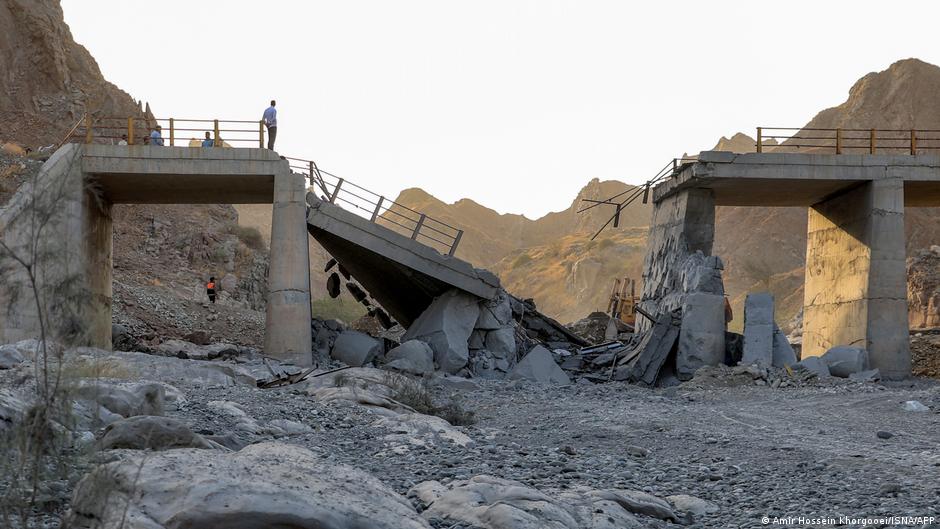
US and Iran military clashes near the Strait of Hormuz are disrupting oil shipping and increasing market uncertainty, affecting energy prices and investor risk sentiment worldwide.
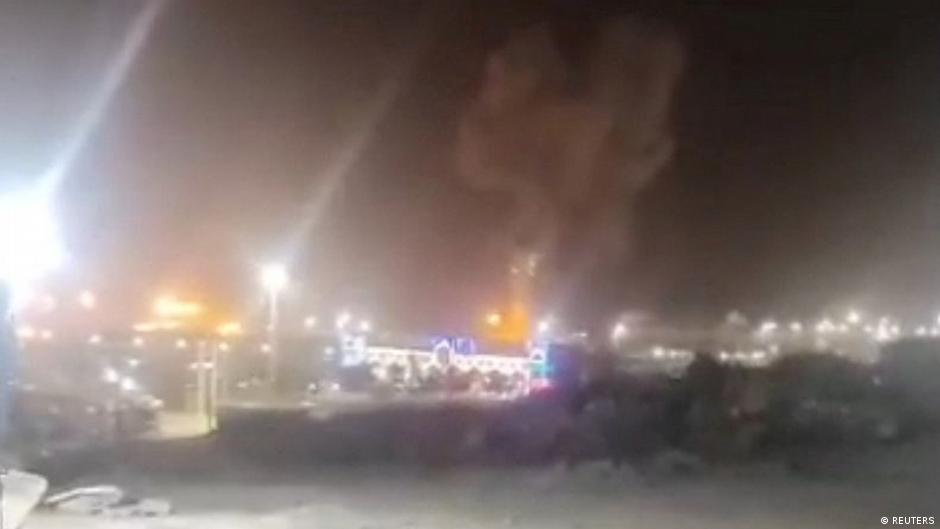
US airstrikes on Iranian targets and Tehran’s retaliatory attacks escalate Middle East tensions, driving volatility in oil markets, equities, and bonds.
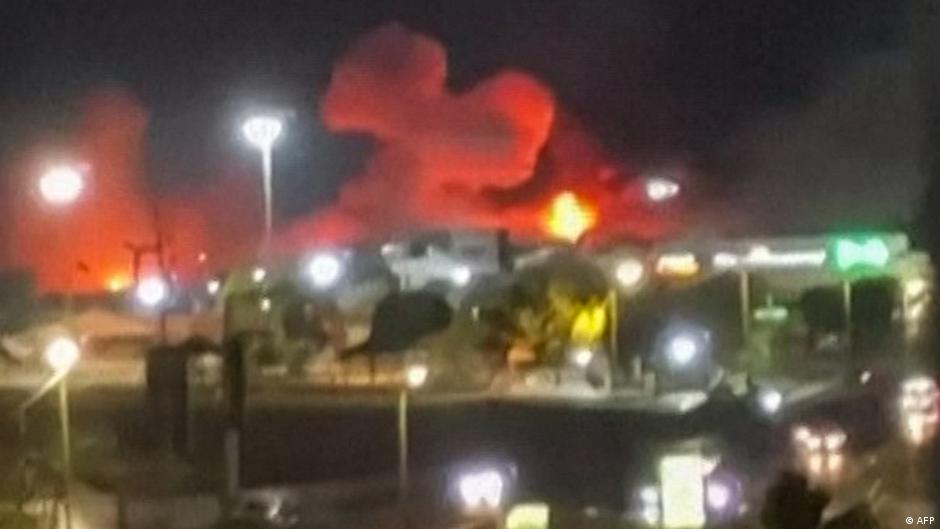
US strikes on Iran near the Strait of Hormuz escalate tensions, impacting oil shipping routes and increasing risks for energy markets and investors globally.
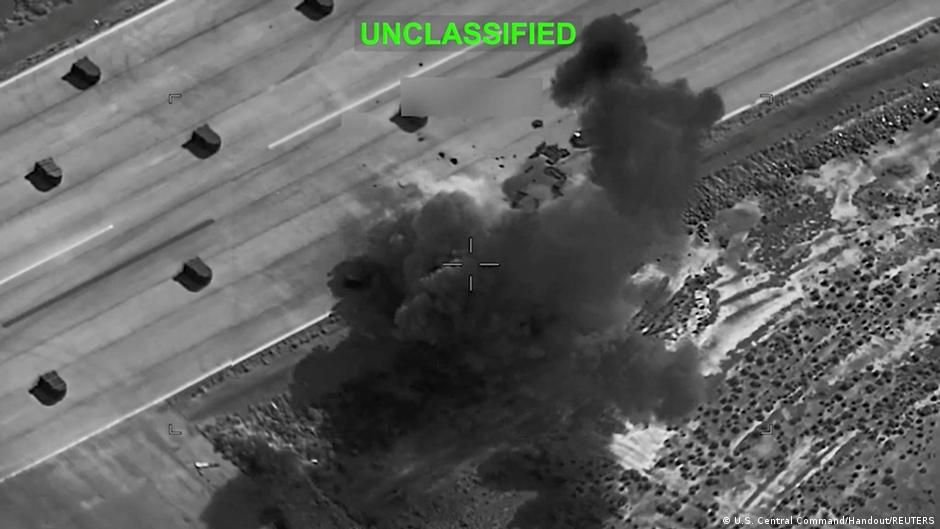
US military strikes against Iran following attacks on commercial vessels have led to the closure of the Strait of Hormuz, impacting global oil supply and increasing market volatility.
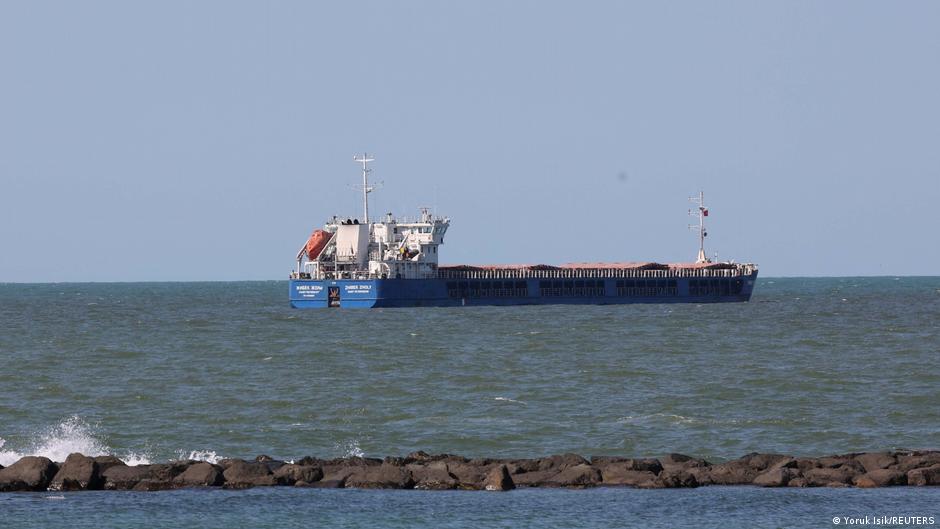
Russia's indefinite closure of the Azov-Don Canal after Ukrainian drone attacks disrupts grain exports and triggers a surge in wheat prices, signaling heightened market volatility.
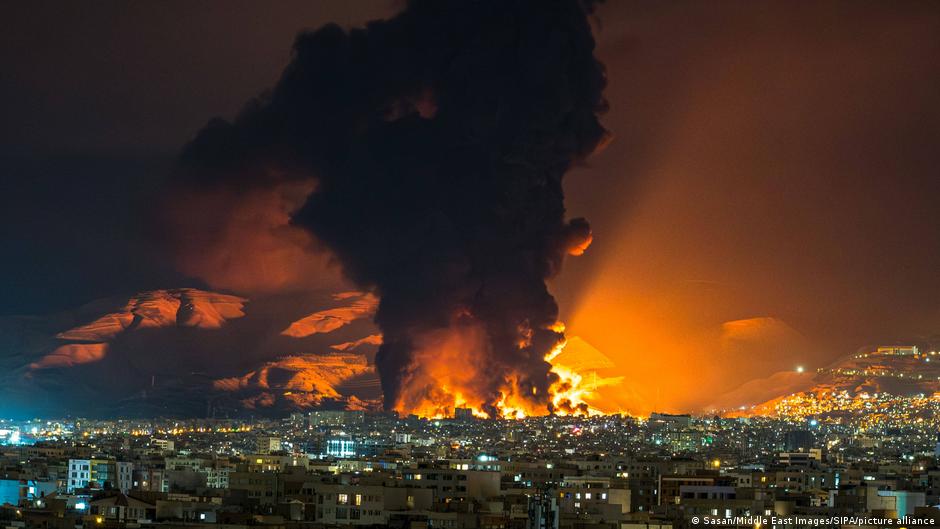
US military strikes on Iran escalate tensions, impacting oil supply routes and causing volatility in energy markets and investor sentiment.
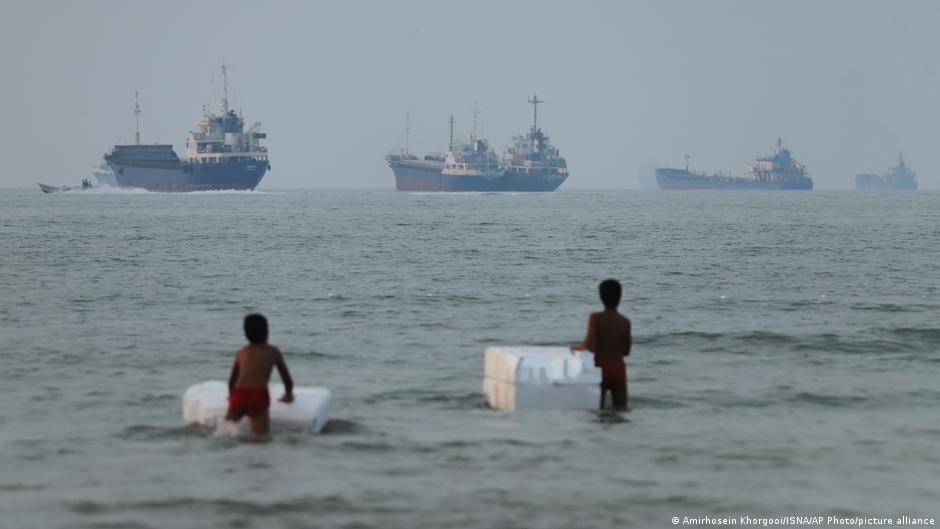
US military strikes on Iran after attacks on tankers escalate Middle East tensions, triggering volatility in energy markets and impacting investor risk sentiment globally.
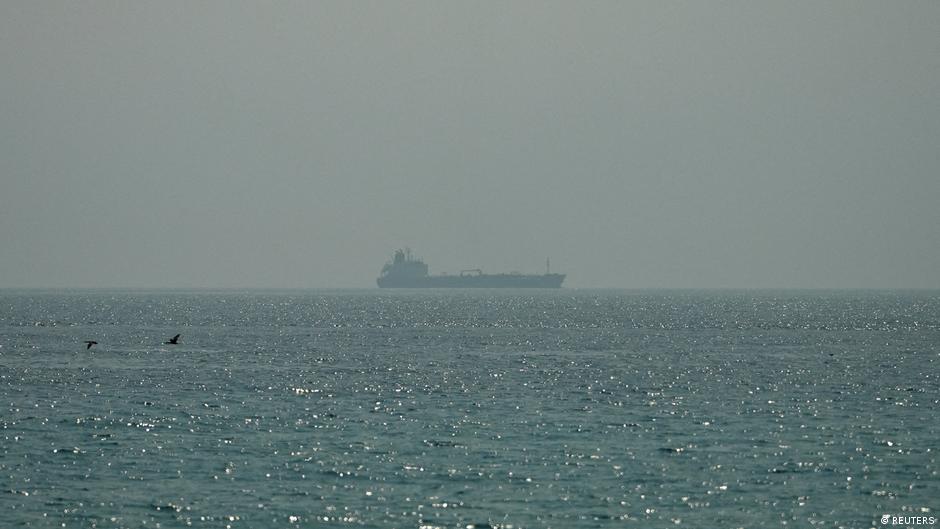
The US and Iran agree on a temporary ceasefire until June 30 talks on Strait of Hormuz navigation, easing oil price volatility and reducing geopolitical risks for investors.
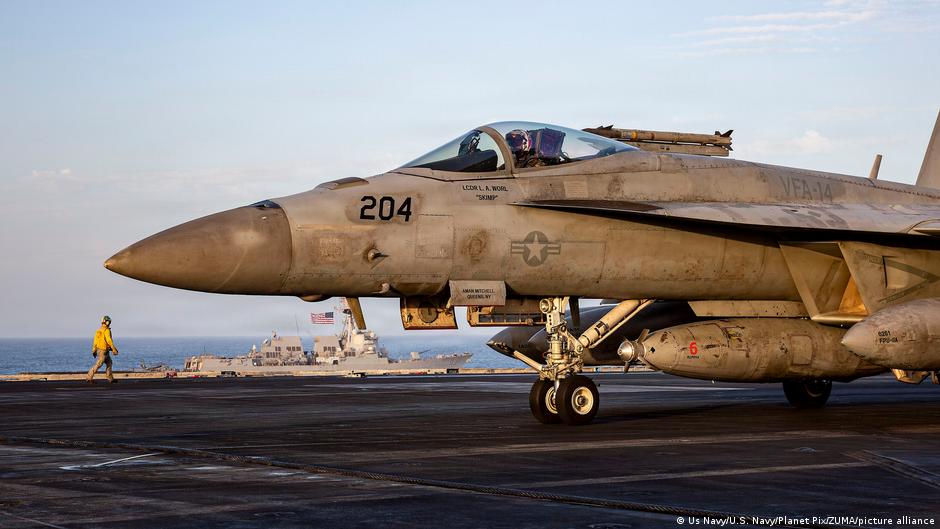
US military strikes on Iranian sites after drone attacks on oil tankers near Strait of Hormuz raise geopolitical risks, impacting energy markets and investor sentiment.
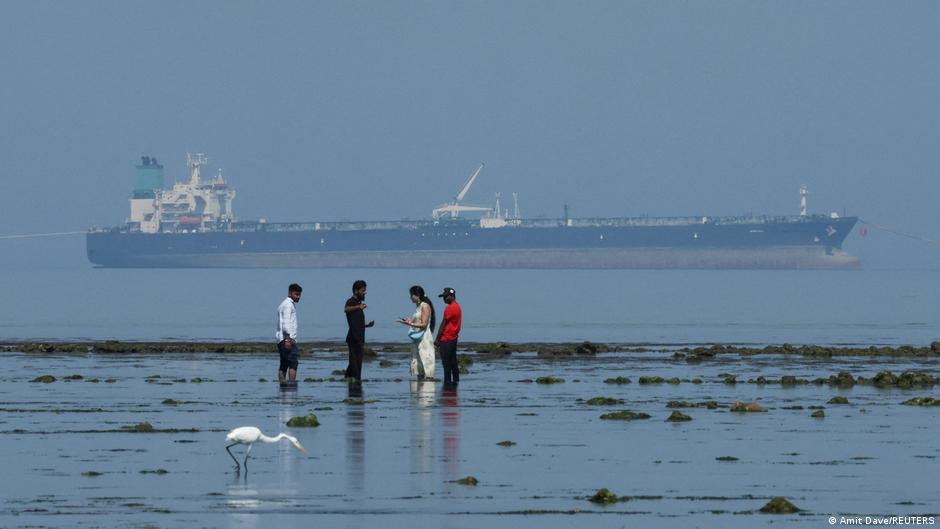
Russia’s maritime oil exports hit a 2026 peak despite falling prices amid US-Iran diplomacy, posing complex challenges for energy investors and capital markets.
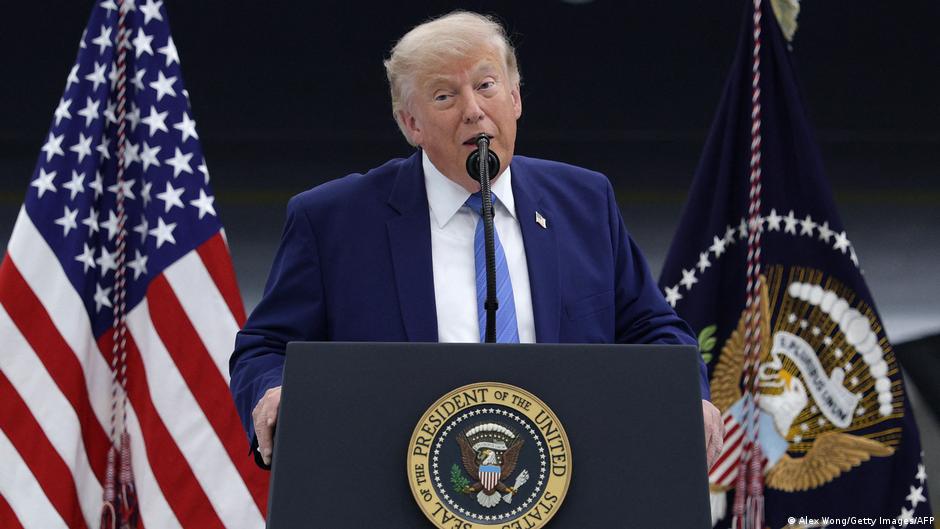
President Trump threatens a transit fee for ships passing the Strait of Hormuz if the US-Iran deal fails, raising oil market and investor uncertainty amid regional tensions.