Russia Closes Azov-Don Canal After Drone Attacks, Impacting Grain Exports and Markets
Closure of vital maritime route following Ukrainian drone strikes disrupts shipping and pushes wheat prices higher.
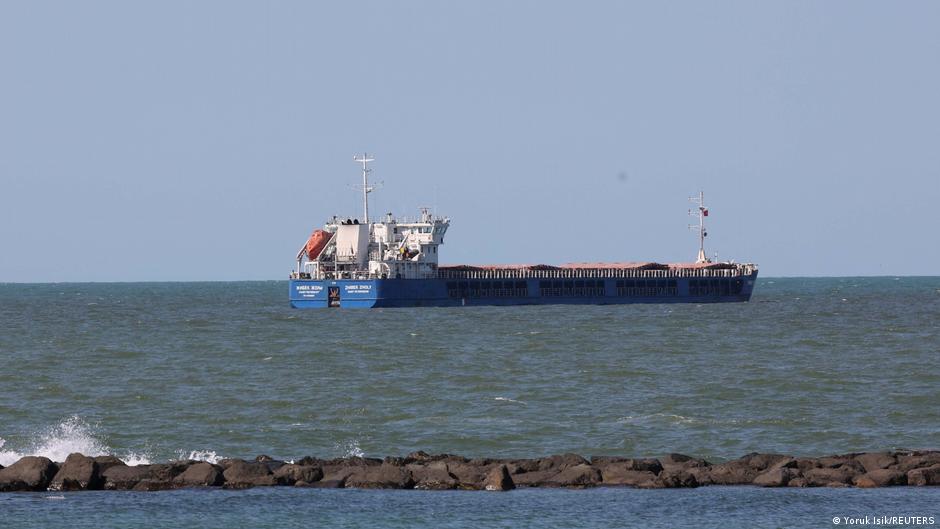
Russian authorities have halted vessel passage through the Azov-Don Sea Canal indefinitely following a series of drone attacks on ships in the Sea of Azov. The move marks a significant disruption to a critical shipping artery connecting the Don River to the Azov Sea, with immediate repercussions for grain exports and commodity markets.
Strategic Waterway Closure Amid Rising Tensions
The Russian Border Service, under the Federal Security Service (FSB), issued a notice to maritime companies that all ship traffic through the canal is suspended for an unspecified duration. This followed a recent large-scale assault by Ukrainian unmanned aerial vehicles (UAVs) targeting vessels operating in the Azov Sea region.
Additionally, passage through the Kerch Strait—which links the Black Sea and the Azov Sea—has reportedly been suspended. The Russian authorities have not disclosed the reasons for these closures or provided timelines for resuming normal operations.
"The closure of the Azov-Don Canal and Kerch Strait represents a strategic move in response to escalating attacks on Russian maritime assets," analysts say.
The attacks reportedly damaged at least 25 vessels, predominantly oil tankers and dry cargo ships, many of which are identified as part of Russia’s so-called “shadow fleet” and are subject to international sanctions. These strikes, confirmed by Ukrainian drone forces, have intensified security concerns in the region.
Market Impact: Grain Exports and Commodity Prices
The Sea of Azov coastline includes Russia’s key grain-producing regions such as Rostov and Krasnodar, making the Azov-Don Canal and adjacent waterways vital conduits for agricultural exports. The suspension has immediate implications for the flow of grain from these regions to international markets.
Following news of the attacks and the resulting navigation restrictions, wheat futures on the Euronext exchange surged more than 4% within 24 hours, marking the highest price in six weeks. This price spike reflects market apprehensions over supply chain disruptions at a time when global grain supplies are already under pressure.
Investors and market participants are closely monitoring developments in the Black Sea and Azov regions, as prolonged closures could exacerbate volatility in commodity markets, particularly affecting equities tied to grain exporters and shipping companies.
Investor Considerations Amid Elevated Geopolitical Risks
The unfolding maritime restrictions highlight the increasing geopolitical risks influencing capital markets in the region. Analysts advise cautious assessment of exposure to Russian maritime logistics and grain export sectors, as well as companies linked to the sanctioned shadow fleet.
Further escalation could lead to broader supply chain constraints and increased market uncertainty, affecting bonds and equities in commodity-related sectors. Investors are urged to factor in these developments when evaluating portfolio risk and market outlook.