Russian Ballistic Missile Strikes on Kyiv Trigger Market Uncertainty Amid Rising Civilian Casualties
Nighttime missile attacks on Kyiv intensify geopolitical risks, impacting investor sentiment across equities and bonds.
Impact of Renewed Russian Attacks on Kyiv's Market Sentiment
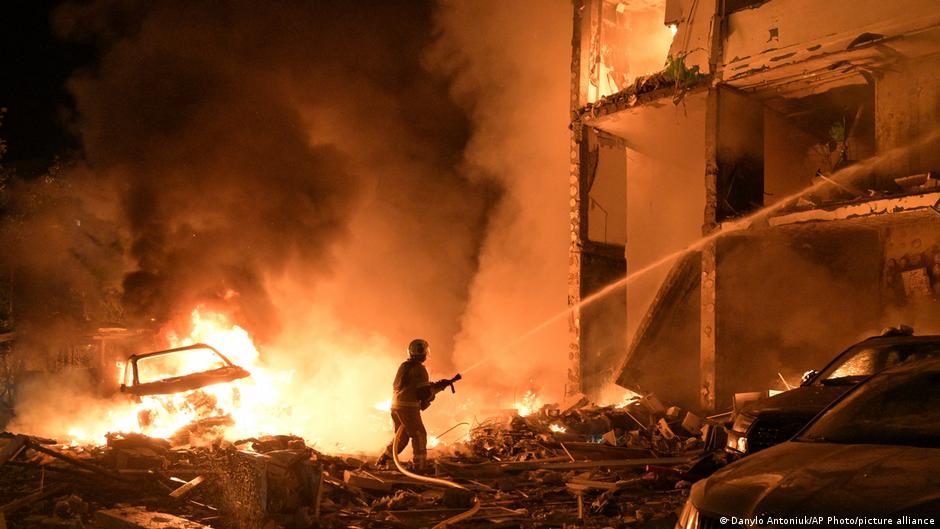
In the early hours of July 10, Russian forces launched a series of ballistic missile strikes against Kyiv, causing at least six civilian injuries and significant infrastructure damage. The attacks, occurring around 03:38 local time, were executed without prior air raid warnings, complicating emergency responses. These aggressive actions come amid escalating civilian casualties and sustained military confrontation, contributing to heightened geopolitical risk perceptions in financial markets.
The missile strikes ignited fires at a transformer substation in the Darnytskyi district and an office building in the Solomianskyi district, with additional damage reported in Sviatoshynskyi and Dniprovskiy districts. The human toll includes six wounded individuals, some hospitalized, underscoring the ongoing humanitarian impact.
These developments transpire against a backdrop of intensified conflict dynamics. According to United Nations monitoring, May and June 2026 marked the deadliest months for Ukrainian civilians since Russia's full-scale invasion. The UN recorded 274 civilian deaths in May and at least 265 in June, with over 1,800 injuries reported, showing an upward trend in casualties correlating to sustained hostilities.
“The number of confirmed civilian casualties in 2026 is significantly higher than previous years, with the trend worsening in the spring and summer months,” noted UN officials.
From a market perspective, the renewed hostilities and rising civilian harm add layers of uncertainty that impact both domestic and international investor confidence. Kyiv's infrastructure attacks, particularly on electrical substations, may raise concerns about broader economic disruptions and resilience, potentially pressuring Ukrainian equities and government bonds.
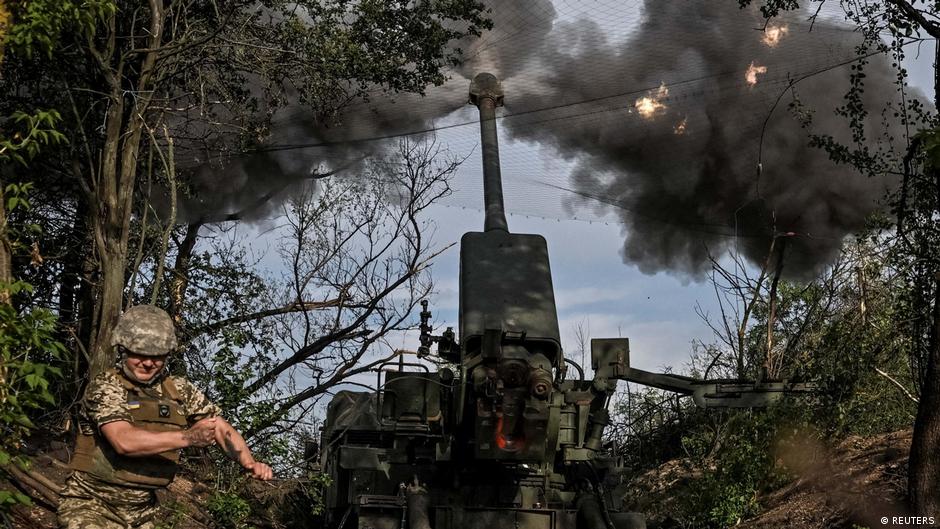
Meanwhile, Ukraine has escalated its countermeasures, notably through intensified drone strikes targeting Russian oil refineries. President Volodymyr Zelensky described these as "long-range sanctions" designed to exacerbate Russia's fuel crisis and pressure Moscow toward peace negotiations. This strategic shift signals a protracted conflict, complicating market forecasts and risk assessments.
Zelensky highlighted that these measures have begun affecting sentiments even within President Vladimir Putin's inner circle, suggesting cracks in Russia's domestic support. However, intelligence sources indicate that Putin remains committed to further escalation, particularly aiming for full control over the Donbas region. This uncompromising stance, reported by Reuters, underscores the likelihood of continued military tensions.
Market Implications for Investors
Financial markets are sensitive to geopolitical escalations, especially those impacting critical infrastructure and civilian populations. The recent missile strikes exacerbate concerns over Ukraine's stability, influencing risk premiums on Ukrainian sovereign debt and deterring foreign direct investment.
Equity markets in Ukraine face volatility as investors reassess operational risks for local companies, especially those in affected regions. Additionally, the broader regional market sentiment may be dampened due to fears of spillover effects or expanded conflict zones.
Bond investors are likely to monitor Ukraine's fiscal capacity to sustain defense spending and economic recovery under increasing pressure. Elevated uncertainty may widen credit spreads, increasing borrowing costs for the Ukrainian government and companies alike.
Ultimately, continued military aggression and escalating humanitarian crises pose significant challenges for capital markets, emphasizing the need for investors to consider geopolitical risk factors in portfolio strategies involving Eastern European assets.