Civilian Casualties in Ukraine Reach Highest Level in June 2026, Impacting Market Sentiment
June 2026 saw the deadliest month for Ukrainian civilians since the conflict began, raising concerns among investors about regional stability and capital markets.

June 2026 marked the deadliest month for civilians in Ukraine since the full-scale Russian invasion began, according to data presented to the United Nations Security Council. This trend, now in its third consecutive month, is drawing increased attention from global investors concerned about the geopolitical risks and their implications for capital markets.
Market Reactions to Escalating Civilian Toll
The deteriorating security situation in Ukraine has contributed to heightened volatility in regional equity and bond markets. Investors are closely monitoring how sustained conflict and mounting civilian casualties might influence economic stability and investor confidence in the region.
"The increasing civilian toll signals a clear pattern of intensified hostilities, which adds layers of risk and uncertainty to markets exposed to Eastern European geopolitics," said a market analyst specializing in geopolitical risk.
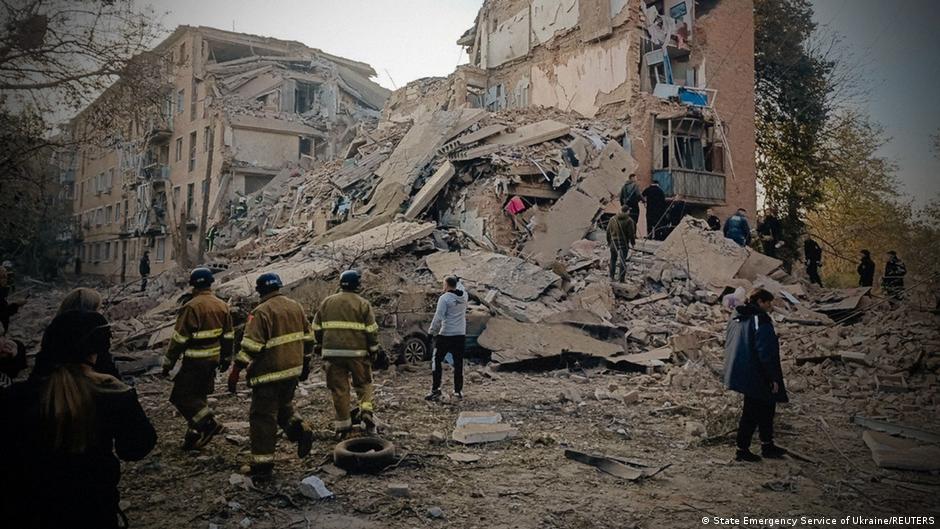
According to the UN, at least 265 Ukrainian civilians were killed in June as a direct result of Russian military attacks, with an additional 1,816 injured. While May recorded a slightly higher death toll of 274, experts emphasize that June’s figures are preliminary and the actual numbers could be higher. Since the onset of the conflict, over 16,400 civilians have lost their lives, with more than 48,000 wounded.
The rising casualty numbers, particularly concentrated in urban centers targeted in early July, underscore a sustained pattern of conflict escalation. This development has raised alarms among capital market participants who are reassessing risk premiums and the potential for prolonged instability in the region.
Investor Implications: Assessing Risk and Opportunities
Capital markets have reacted with caution as geopolitical tensions persist. Ukrainian equity indices have experienced downward pressure amid concerns about infrastructure damage and economic disruption. Bond yields for Ukrainian sovereign debt have also fluctuated, reflecting investor uncertainty about the country’s fiscal outlook and ability to service debt amid ongoing conflict.
At the same time, global investors are re-evaluating exposure to related assets, including defense-sector equities and commodities sensitive to Eastern European supply chains. The increased risk premium has led some portfolio managers to reduce allocations to Ukrainian and neighboring markets, while others are seeking hedging strategies to mitigate downside risk.
"The humanitarian crisis and conflict escalation cannot be viewed in isolation from their economic impact," noted a fixed-income strategist. "Investor sentiment is heavily influenced by political developments, and the persistence of violence raises questions about the timing of a potential resolution and the stability of recovery efforts."
Despite these challenges, international calls for ceasefire and peace negotiations, as emphasized by UN officials, may offer a path toward de-escalation that capital markets will watch closely. A durable ceasefire and political settlement could restore investor confidence and stabilize market conditions in the medium term.
For now, market participants remain cautious as they navigate the complex intersection of humanitarian crisis and economic risk in Ukraine, with the evolving situation likely to remain a key factor shaping regional market dynamics through the remainder of 2026.