Saratov Refinery Halts Operations After Drone Attacks Amid Russian Fuel Shortages
Ukrainian drone strikes have forced the Saratov oil refinery to suspend processing, intensifying fuel supply constraints and impacting Russian energy markets.
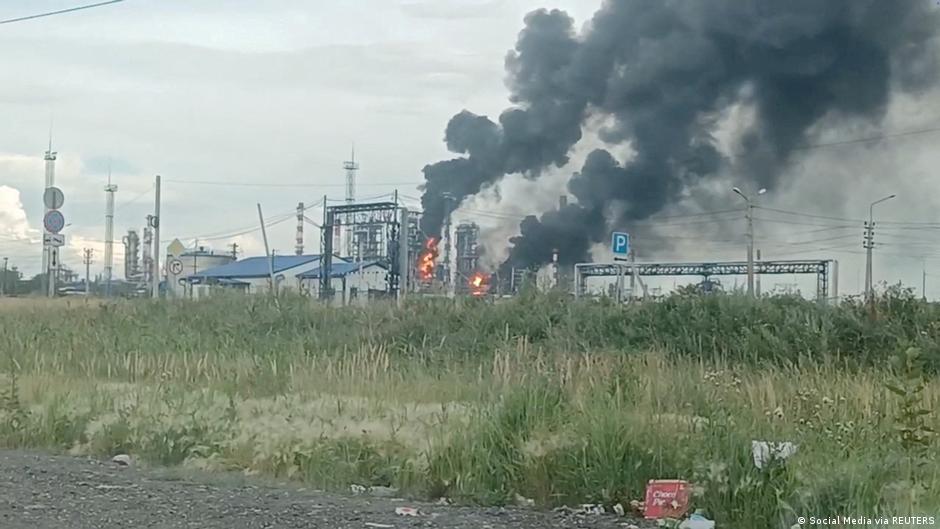
The Saratov oil refinery in Russia has ceased operations indefinitely following significant damage from Ukrainian drone attacks, Reuters reported on July 9. The disruption compounds ongoing fuel shortages in Russia, further straining the energy sector and affecting capital markets linked to the oil refining industry.
Impact on Refining Capacity and Market Dynamics
According to unnamed sources cited by Reuters, the drone strikes targeted the refinery's primary crude distillation unit, CDU-6, which was responsible for processing up to 20,000 tonnes of crude oil daily. This unit was the only one of its kind at the plant, highlighting the critical nature of the damage.
The governor of the Saratov region, Roman Busargin, confirmed damage to "civil infrastructure" due to the attacks but did not specify the refinery. The Ukrainian General Staff declared the Saratov refinery, owned by Rosneft, as the target. This facility has been subjected to repeated attacks since the onset of Russia's full-scale invasion of Ukraine.
Rosneft has not publicly commented on the incident. Meanwhile, analysis by Novaya Gazeta Europe indicates that since the beginning of 2026, at least 13 Russian refineries have partially or fully suspended operations due to Ukrainian drone attacks. This has removed approximately 25% of Russia's refining capacity and cut gasoline and diesel production by around 30%.
The shutdown of key refineries has intensified supply shortfalls, affecting roughly 50 million Russians—approximately 35% of the population—who face gasoline shortages, according to the Financial Times. Regional governments and fuel suppliers have responded by imposing fuel sales restrictions in most areas as of early July. Certain regions, including the Trans-Baikal Territory and Penza and Irkutsk provinces, have declared heightened states of readiness.
In response to these supply constraints, Russian authorities have enacted measures such as banning diesel fuel exports through at least July 31 to preserve domestic supply. This ban extends prior restrictions that did not previously apply directly to producers.
Industry Response and Investor Implications
"Russian refining companies have maximized throughput at operational plants and accelerated fuel market deliveries while postponing planned maintenance," stated Deputy Prime Minister Alexander Novak.
This strategic pivot includes ramping up production at smaller and medium-sized refineries to mitigate supply gaps. However, the medium-term outlook remains uncertain, as facilities like the Kapotnya refinery near Moscow, damaged in mid-June, are not expected to resume full operations until at least December.
Market participants should note that these disruptions could fuel volatility in Russian fuel and energy equities. The sustained reduction in refining capacity may pressure profit margins for integrated oil companies, potentially dampening investor confidence. Bondholders and credit analysts will also be watching closely for any financial strain arising from prolonged operational halts and capital expenditures required for repairs.
In sum, the continued exposure of Russian refinery infrastructure to targeted drone attacks represents a significant challenge for market stability, influencing supply fundamentals and policy interventions. Investors with exposure to Russian energy markets must remain vigilant amid evolving geopolitical and operational risks.