Fuel Prices in Crimea Surge Nearly 80% in One Week Amid Russian Export Restrictions
Rapid increase in gasoline costs in Crimea and other Russian regions reflects growing supply constraints and government export controls.
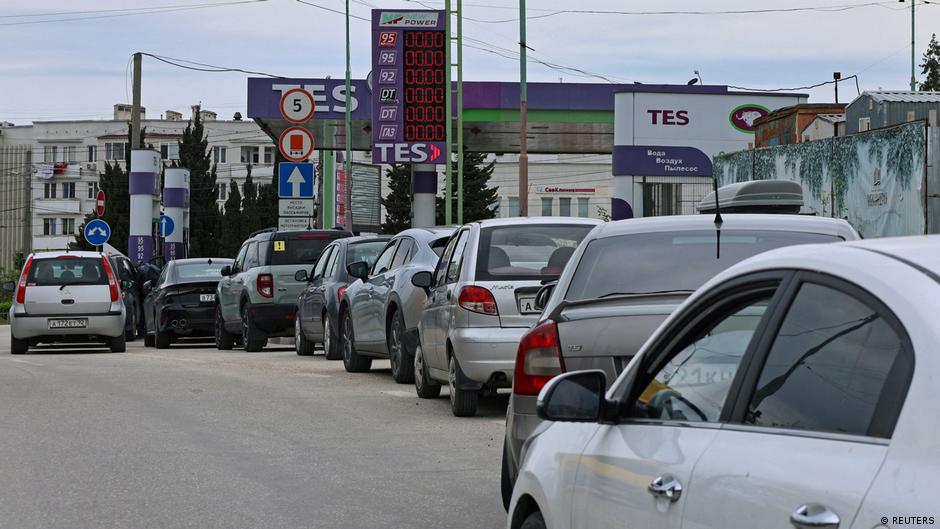
Fuel prices in Crimea have soared nearly 80% during the first week of July, signaling acute supply pressures in the region and broader Russian territories. According to the latest report from Russia's Federal State Statistics Service (Rosstat), gasoline prices in the annexed peninsula sharply escalated, with AI-95 grade gasoline rising by 92% to 170.59 rubles per liter.
Market Impact and Regional Discrepancies
The unprecedented price jump in Crimea stands out compared to other Russian regions. While the overall increase in gasoline prices across Rosstat-monitored territories was 2.1% between June 30 and July 6, Crimea's spike dwarfs this average. The Ivanovo region recorded the second-highest growth at 19%, whereas previous weeks saw more moderate increases of 1.6% for gasoline and 2.2% for diesel.
Fuel pricing pressures extend beyond Crimea. Prices for AI-95 gasoline have exceeded 90 rubles per liter in regions including Kalmykia, Dagestan, Kabardino-Balkaria, Chechnya, and Kamchatka. Diesel fuel prices surged 3.4% nationally, reflecting tightening supplies amid logistical challenges.
"The sharp price rise in Crimea reflects severe supply shortages exacerbated by logistical constraints and government intervention," said market analysts. "Investors should monitor these trends as they may signal broader disruptions in Russian fuel markets impacting equities and bonds related to energy sectors."
Government Export Controls and Supply Constraints
In response to ongoing shortages, Russian authorities imposed a ban on diesel fuel exports from July 8 through July 31 to stabilize domestic supply. This measure notably extended previous restrictions by including producers, aiming to prevent fuel stock depletion amid heightened demand.
Since late May, attacks on Russian oil refineries and energy infrastructure have worsened the fuel deficit, triggering long queues at gas stations and temporary closures. As of early July, nearly 60 Russian regions and occupied Ukrainian territories reported some form of fuel sales regulation.
To mitigate the crisis, Russia has temporarily authorized the use of lower environmental standard fuels, allowing sales of "Euro-3" class gasoline and diesel with elevated sulfur content, contrasting with the stricter Euro-5 requirements. This relaxation seeks to bolster immediate supply at the cost of environmental quality.
Additionally, Russia has increased imports of petroleum products. India has supplied almost 60,000 tons of gasoline by sea, with negotiations ongoing with Kazakhstan. Plans are also underway to procure Japanese aviation fuel through trading intermediaries, reflecting Moscow's need to source fuel externally despite sanctions and geopolitical pressures.
Investor Considerations
The fuel price surge and export restrictions have direct implications for investors in Russian energy equities and fixed income. Companies operating refineries and fuel distributors may face margin pressures or operational disruptions, while government intervention adds regulatory risk.
Moreover, the expanded import reliance and quality downgrades signal challenges for downstream industries and transport sectors, potentially affecting credit ratings and bond yields. Market participants should closely track evolving policy responses and regional price dynamics to assess risk exposure.