Germany Announces Record Defense Spending Boosting NATO’s Capital Market Impact in 2026
Germany’s defense budget will reach €124.7 billion in 2026, marking a 25.5% increase and triggering significant government bond issuance.
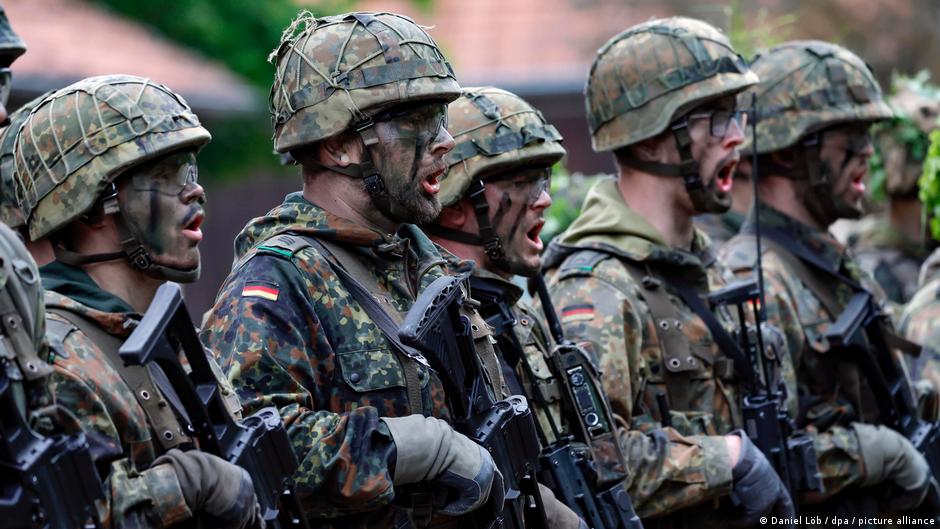
In a major development ahead of the NATO summit in Ankara, Germany disclosed unprecedented defense spending plans for the year 2026, signaling notable market implications for investors in equities and government bonds.
Record Defense Spending and Market Implications
Germany plans to allocate €124.7 billion to defense in 2026, a 25.5% jump from approximately €99.3 billion in 2025. This €25.4 billion increase is the largest annual rise recorded by Germany under NATO commitments. While the United States retains the highest defense outlays globally, Germany’s surge solidifies its position as the fourth-largest spender worldwide.
The rise in defense spending will cause Germany’s defense expenditure share of GDP to climb to 2.69% in 2026, up from 2.22% in 2025. This expansion is part of a broader trend among European NATO members and Canada, who collectively increased defense investments by nearly 20% last year, totaling an additional $139 billion. NATO Secretary General Jens Stoltenberg highlighted that combined increases in 2025 and 2026 will amount to approximately $258 billion.
"Only last year, European allies and Canada increased defense spending by almost 20 percent compared to the previous year," Stoltenberg noted, emphasizing the collective effort to meet NATO targets.
Germany’s ambitious defense outlays will be financed through a significant increase in government bond issuance. By 2030, Germany plans to raise over €800 billion, with bonds exceeding €200 billion expected to be issued in 2027 alone—a 12.5% increase compared to the current year. These funds will principally support the defense budget, which is projected to reach €183.6 billion by 2030, representing roughly one-third of the total federal budget.
This aggressive borrowing strategy influences capital markets by increasing supply in the German sovereign bond market, potentially affecting yields and investor appetite. Investors should anticipate heightened volatility and shifts in yield curves as the government balances fiscal commitments with inflation and economic growth concerns.
Broader NATO Context and Investor Takeaways
Despite growth in European defense budgets, the United States remains the dominant military spender, budgeting around $850.2 billion (approximately €745 billion) for 2026, outspending other NATO partners combined. Germany’s expanded budget reflects a strategic response to U.S. criticisms of European investment levels.
Only five NATO countries—Greece, Poland, Latvia, Lithuania, and Estonia—are projected to reach the alliance’s 5% of GDP defense spending target in 2026. Meanwhile, 17 more countries are expected to achieve the NATO goal of 3.5% GDP allocation on defense by this year. However, some members like Belgium, Spain, and the Czech Republic will maintain lower spending levels, while Slovenia may fall below the 2% GDP threshold, which NATO initially aimed to meet by 2024.
For capital markets, these varying defense expenditure commitments translate into differing fiscal strategies and debt issuance plans across member states, influencing sovereign risk premiums and bond market conditions regionally.
Investors in European equities should consider the defense sector’s growth potential fueled by increased public contracts, while bond investors must weigh the expanding supply of government debt against prevailing monetary policies and geopolitical risk factors.