US Military Strikes on Iran Trigger Market Volatility Amid Rising Middle East Tensions
US airstrikes against Iran following attacks on commercial vessels raise geopolitical risks impacting global capital markets and investor sentiment.
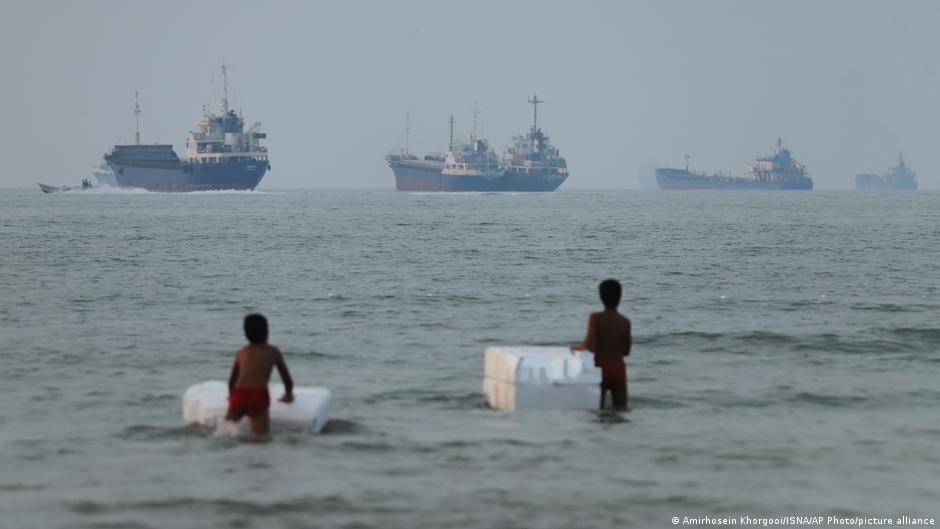
The recent US military strikes targeting Iran have intensified geopolitical tensions in the strategically vital Strait of Hormuz, eliciting renewed volatility across capital markets. The American strikes, described by US Central Command (CENTCOM) as a "massive" operation aimed at delivering significant damage to Iranian military capabilities, followed Iran's attacks on three commercial tankers in the region.
Market Reaction to Escalating Middle East Conflict
The strikes target multiple Iranian defense and maritime assets, including anti-aircraft systems, communication networks, coastal radar stations, and over 60 vessels operated by the Islamic Revolutionary Guard Corps (IRGC). This escalation follows the US government's reimplementation of sanctions on Iranian oil exports, lifted only weeks prior, signaling a hardening stance that has unsettled global energy and financial markets.
Investors have responded cautiously amid concerns about potential disruption of oil supply routes through the Strait of Hormuz—a critical chokepoint through which approximately one-fifth of the world’s oil passes. The risk of supply interruptions has led to increased volatility in energy equities and commodity-linked bonds, with oil prices reacting to the rising geopolitical risk premium.
"The demonstrated Iranian aggression was unjustified and posed a clear breach of the ceasefire regime," CENTCOM stated, framing the US strikes as a defensive measure to safeguard maritime security and regional stability.
Equity markets in sectors sensitive to geopolitical risk, such as energy and defense, have shown mixed performance. Oil and gas companies are witnessing gains reflecting higher crude prices, while broader indices remain pressured by investor concerns over escalating conflict and uncertainty in global trade flow. Credit spreads on bonds linked to emerging markets and shipping firms have widened amid the heightened risk environment.
Simultaneously, diplomatic efforts continue with France and the United Kingdom proposing a multinational naval mission intended to secure navigation through the Persian Gulf. However, Iran’s refusal to engage and ongoing threats have hindered meaningful de-escalation, prolonging investor wariness.
The uncertainty extends to the negotiations between the US and Iran concerning nuclear programs, troop withdrawals in neighboring countries, and transit fees for vessels passing the Strait. The lack of progress coupled with military confrontations contributes to a risk-off sentiment among market participants.
As the conflict risks escalating further, financial markets will likely remain sensitive to developments in this critical region, with investor strategies increasingly factoring in geopolitical risk premiums, particularly in energy-related assets and regional emerging markets.