Russian Missile Strikes Hit Kyiv and Kharkiv Amid Ongoing Conflict Impacting Markets
Recent Russian attacks on Ukrainian cities Kyiv and Kharkiv raise concerns over regional stability affecting investors and capital markets.
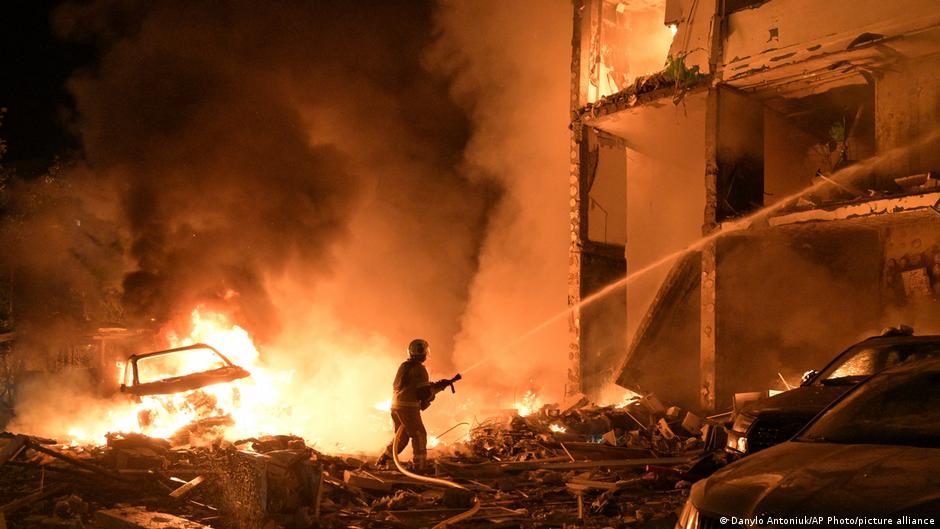
In the early hours of July 8, Russian forces launched a series of missile and drone strikes targeting multiple regions in Ukraine, notably the capital Kyiv and the eastern city of Kharkiv. Local authorities reported explosions, fires, and casualties amid heightened security alerts, signaling sustained military aggression that continues to impact the region’s stability.
Market Implications of Escalating Conflict
The renewed attacks have triggered immediate concerns among investors regarding the resilience of Ukrainian markets as well as broader geopolitical risks influencing global capital flows. Kyiv’s Mayor Vitali Klitschko confirmed two casualties and hospitalizations following missile strikes that damaged residential properties, infrastructure including street lighting, and vehicles. Kharkiv’s Mayor Ihor Terekhov also reported significant damage from ballistic missile impacts in residential districts.
These developments have coincided with intensified activity on Kyiv’s defensive front and warnings from the Ukrainian Air Forces about multiple ballistic missile launches targeting the capital from the north. The presence of hostile unmanned aerial vehicles near Kyiv further exacerbates security concerns.
"Damage to over 20 private homes and critical infrastructure raises the stakes for investors monitoring Ukraine’s market stability amid ongoing conflict," said an analyst familiar with Eastern European markets.
For investors and market participants, the immediate challenge lies in assessing the direct and indirect impact of these strikes on Ukrainian equities and bond markets. The attacks exacerbate operational risks for companies with assets or operations in affected regions and may influence the pricing of Ukraine sovereign debt due to heightened credit risk perceptions. Moreover, the broader market volatility driven by geopolitical uncertainty is likely to affect cross-border investment flows in Eastern European markets.
Capital markets have historically reacted to such escalations with increased risk premiums and cautious investor sentiment. While specific data for July 8 market responses remain forthcoming, analysts anticipate a short-term increase in Ukrainian bond yields and potential equity sell-offs, particularly in sectors linked to infrastructure, logistics, and energy. International investors will be closely watching Ukraine’s government responses and the potential for diplomatic resolutions or further escalations.
In summary, the recent missile and drone strikes by Russian forces against Kyiv and Kharkiv not only deepen humanitarian and security crises but also pose renewed challenges for financial markets and investors navigating risk in the region. Monitoring evolving military developments alongside market indicators will be crucial for informed investment decisions in the near term.