Cuban National Blackout Deepens Economic Strain Amid US Sanctions and Fuel Shortages
Cuba’s complete electricity outage amid tightening US sanctions exacerbates market uncertainty impacting regional investors and commodity flows.
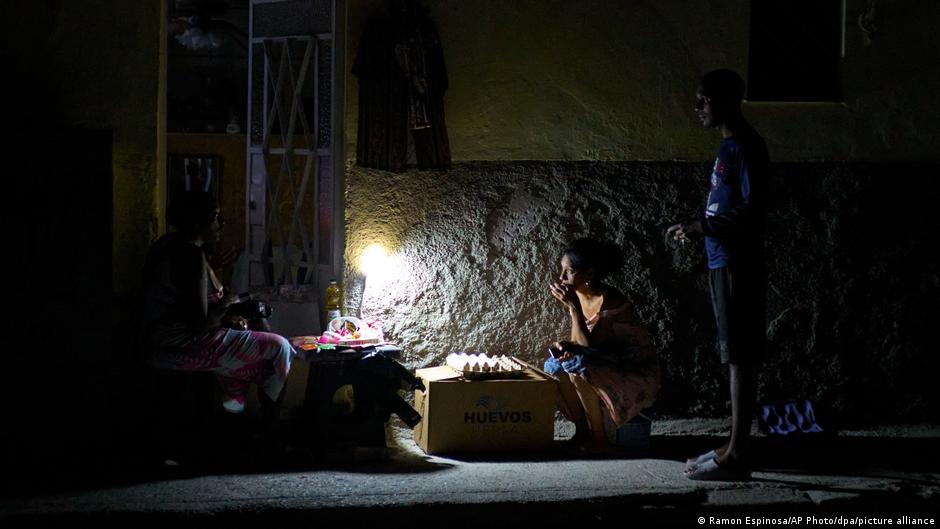
Cuba experienced a nationwide blackout on July 6, plunging the island into darkness as the state-run energy operator Unión Eléctrica confirmed a total failure of the electrical grid. Efforts to restore power are underway, though the root causes remain under investigation.
This blackout underscores the severe energy crisis on the island, driven by a confluence of factors including intensified US sanctions, dwindling fuel supplies, and systemic infrastructure challenges. For investors tracking capital markets, the unfolding situation highlights the risks to regional economic stability and commodity supply chains.
US Sanctions and Fuel Scarcity Impact Cuban Economy
Since renewed sanctions took effect under the Trump administration, Cuba's ability to import sufficient fuel has been severely restricted. The island can currently secure only about 40% of its fuel needs. In a notable limitation, US authorities have permitted oil shipments from only one Russian tanker in March 2026, delivering 730,000 barrels—a quantity depleted by May.
Bloomberg reports that these sanctions have exacerbated Cuba's chronic electricity shortages, affecting a population of approximately 10 million. The energy shortfall reached a critical point in May when Cuban authorities declared fuel reserves completely exhausted. Consequently, rolling blackouts and scheduled power cuts lasting up to 24 hours have become routine, undermining economic productivity and investor confidence.
“The ongoing energy crisis in Cuba, intensified by external political pressure, highlights vulnerabilities that ripple through regional markets and commodity flows,” said an energy market analyst.
These disruptions have already caused widespread social and economic distress, with previous nationwide outages in March and regional blackouts in eastern provinces in May. The government's attempts to manage demand through planned blackouts reflect the severity of the supply-demand imbalance.
Economic Reforms and Market Implications
Facing mounting pressure, Cuban authorities have embarked on significant economic reforms—the most extensive privatization efforts in over six decades. In June 2026, the government proposed nearly 200 market-oriented reforms aimed at reviving the economy and pressuring Washington to lift the fuel embargo.
However, negotiations between Cuba and the US remain stalled. The Trump administration appears committed to leveraging economic pressure to effect regime change, as observed by Bloomberg. This stalemate introduces continued uncertainty for investors assessing country risk and regional market stability.
From a capital markets perspective, the situation in Cuba illustrates the intertwined nature of geopolitical tensions and energy security in shaping emerging market dynamics. Investors with exposure to Latin America should monitor developments closely, as prolonged energy disruptions and political deadlock could impact broader regional supply chains and financial markets.
In conclusion, Cuba’s blackout and fuel crisis serve as a stark reminder of how geopolitical factors can influence market conditions and investor sentiment. The unfolding scenario warrants caution among market participants with interests in the Caribbean and Latin American economies.