Russian Attacks on Ukrainian Regions Intensify, Impacting Markets and Investor Sentiment
Recent missile and drone strikes across Ukraine raise concerns over regional stability and market volatility.
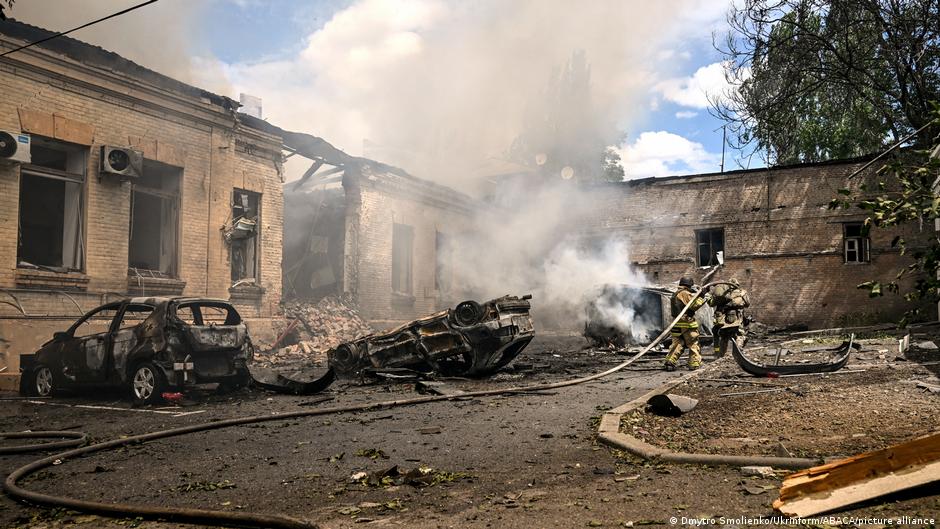
On July 5, Russian forces launched a series of aerial bombings, missile strikes, and drone attacks across multiple Ukrainian regions, including Kharkiv and Zaporizhzhia. These attacks resulted in four fatalities and 25 injuries, as reported by local authorities. The escalating conflict continues to unsettle markets and investors closely monitoring geopolitical risks in Eastern Europe.
Market Implications of Ongoing Hostilities
The intensified Russian offensive, targeting civilian infrastructure and logistics hubs, has heightened uncertainty surrounding Ukraine's economic prospects. Key urban centers such as Zaporizhzhia and Kharkiv experienced significant damage, including destroyed private homes and damaged apartment complexes. Notably, a sorting center for a major postal service in the Chernihiv region was also destroyed, potentially disrupting supply chains and commerce.
"The threat of drone attacks remains active across the Zaporizhzhia region, compounding concerns about regional security and stability," stated Ivan Fedorov, head of the Zaporizhzhia Regional Military Administration.
From a capital markets perspective, these developments contribute to increased volatility in regional equities and bond markets. Investors are likely to reassess risk premiums on Ukrainian sovereign and corporate debt as the security situation deteriorates. The repeated strikes on critical infrastructure, including fuel stations and transportation nodes, could exacerbate inflationary pressures and disrupt industrial output, factors that weigh on investor confidence.
President Volodymyr Zelensky warned of a potential new wave of mass attacks, referencing intelligence reports. This warning follows the most intense assault on Kyiv since the onset of the conflict, which resulted in 31 deaths and over 100 injuries as of July 4. Heightened conflict intensity typically triggers risk-off sentiment among global investors, favoring safe-haven assets and increasing spreads on riskier securities linked to Ukraine and the broader region.
Regional officials have urged civilians to avoid gas stations and other vulnerable sites due to the threat of further strikes, underscoring the ongoing risks to local economies and infrastructure. The uncertainty continues to weigh on Ukrainian financial markets, which have shown sensitivity to conflict developments since the war's onset.
Looking ahead, investors should monitor government communications and conflict dynamics carefully. The persistence of hostilities may impact Ukraine’s fiscal stability and external financing needs, influencing the pricing of sovereign bonds and the viability of equity investments tied to Ukrainian enterprises.