Canada’s Choice of German Submarine Builder TKMS Sends Strong Signal to Defense Markets
Canada’s multi-billion euro contract for TKMS submarines strengthens transatlantic defense ties and impacts naval defense equities and industrial suppliers.
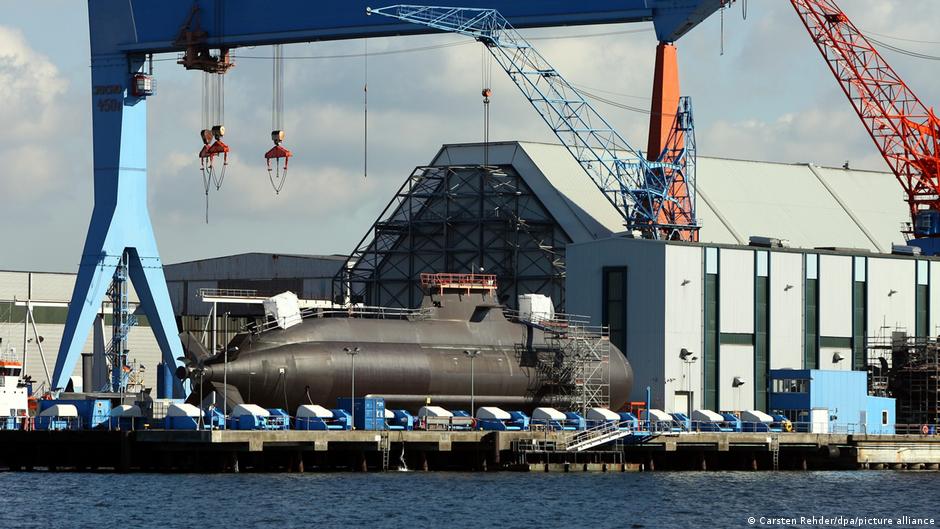
Germany’s Chancellor Friedrich Merz, alongside the country’s defense and foreign ministers, welcomed Canada’s decision to award the contract for its new fleet of non-nuclear submarines to the German shipbuilder ThyssenKrupp Marine Systems (TKMS). The announcement was made on July 6 and is considered a significant boost to European defense manufacturing and transatlantic cooperation.
Market Implications of the TKMS Submarine Contract
Canada’s selection of the German-designed Type 212CD submarines, jointly developed by Germany and Norway, marks a major milestone in naval defense procurement. Prime Minister Mark Carney confirmed Canada’s plan to acquire up to 12 of these advanced submarines, initiating what industry experts estimate could be a €100 billion contract when factoring in maintenance and operational support over several decades.
From a capital markets perspective, this contract places TKMS and the broader German defense industrial base in the spotlight. The scale and duration of the deal offer a stable revenue outlook, potentially boosting investor confidence in defense equities tied to submarine manufacturing and related high-tech sectors. Additionally, the contract strengthens the position of European defense firms in competition with Asian manufacturers, such as South Korea’s Hanwha Ocean, which was the main competitor for the contract.
“Together, we will create the world’s largest and most advanced fleet of non-nuclear submarines, capable of real-time data exchange across the North Atlantic and Arctic regions,” said German Defense Minister Boris Pistorius.
Minister Pistorius emphasized the strategic value of the new submarine fleet for NATO’s security posture in the High North, highlighting the alliance’s efforts to equitably share defense burdens. This collaborative approach is likely to encourage continued investment in integrated defense technologies and may positively influence market sentiment towards firms engaged in NATO-related projects.
Foreign Minister Johann Wadephul also praised the deal as opening a new chapter in defense and industrial policy. By choosing TKMS, Canada opted for what Wadephul called the “world’s best non-nuclear submarines,” reinforcing Germany’s role as a key supplier in global naval defense.
Financial markets are expected to monitor the long-term impact of this contract on TKMS’s parent group, ThyssenKrupp AG, whose shares could benefit from sustained order flow and potential follow-on contracts. Bond markets may also view the large-scale defense spending commitment favorably, considering it a sign of stable government procurement in allied nations.
Overall, Canada’s procurement decision not only enhances transatlantic defense collaboration but also injects momentum into the European defense industrial sector, with potential ripple effects across equity and fixed income markets tied to defense and aerospace supply chains.