Germany’s 2027 Budget Boosts Defense Spending Amid Rising Borrowing Concerns
Germany’s federal budget for 2027 plans increased defense expenditures and borrowing, stirring debate over fiscal sustainability and investor impact.
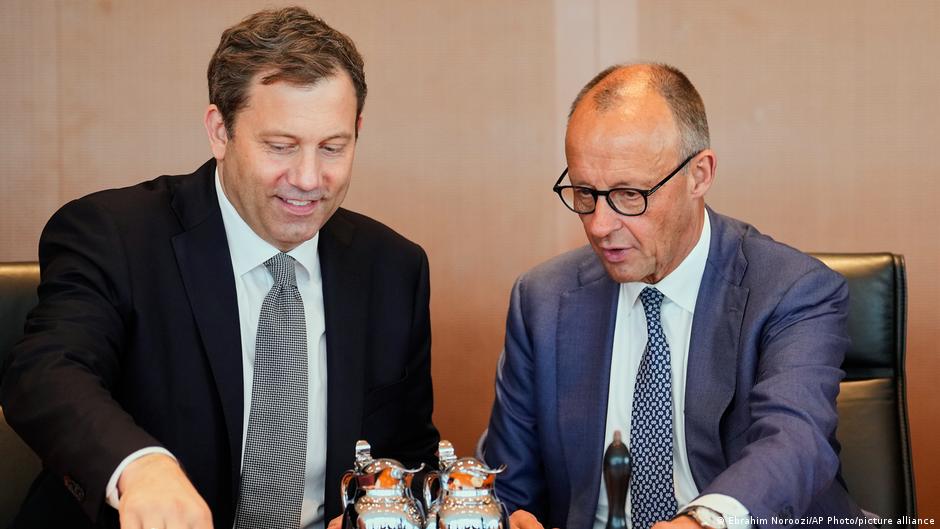
On July 6, the German government approved its federal budget draft for 2027, projecting a notable increase in both expenditures and new borrowing. Crafted by Finance Minister Lars Klingbeil, the budget aims to address mounting security challenges, particularly related to Russia, but has drawn criticism for its rising debt levels and allocation priorities.
Budgetary Highlights and Market Implications
The planned total expenditures reach €555.4 billion, marking an approximate 6% increase over the current year. New net borrowing is set to rise substantially to €118.7 billion from €98 billion in 2026. This expansionary fiscal stance reflects Germany’s strategic response to evolving geopolitical risks but raises questions about long-term debt sustainability.
The largest budget share remains with the Federal Ministry of Labour and Social Affairs, allocated €201.4 billion, primarily for pension payments. The defense ministry receives the second-largest allocation with a 32.7% budget increase, rising from €82.69 billion this year to €109.75 billion in 2027. The transport ministry follows with €26.43 billion in funding.
Finance Minister Klingbeil justified the spending surge as necessary due to security pressures stemming from Russia’s threat. He emphasized that three decades of underfunding had weakened Germany’s armed forces and stated, "We cannot protect ourselves from Putin with a balanced budget." This candid acknowledgment signals a shift toward prioritizing national security over strict fiscal discipline.
"We must catch up after three decades of underfunding that weakened our armed forces, and do so within a very tight timeframe." – Lars Klingbeil, German Finance Minister
However, these measures have triggered unease among industry representatives and investors. Tanja Gönner, CEO of the Federation of German Industries (BDI), voiced concern over the planned increases in spending and borrowing, advocating for policies that foster economic growth and improve public spending efficiency. Helena Melnikov, head of the Association of German Chambers of Commerce and Industry (DIHK), warned that by 2030, social, defense, and debt interest payments will consume 80% of the budget, leaving minimal room for growth-stimulating investments.
Capital Markets and Investor Considerations
From a capital markets perspective, Germany’s expanded borrowing translates to increased issuance of government bonds, which may influence yields and investor demand. While higher defense spending reflects strategic priorities, the growing debt burden could prompt market scrutiny of Germany’s creditworthiness and fiscal policy trajectory.
Equity markets may also respond to these fiscal changes. Increased government spending on defense and social sectors could stimulate certain industries, such as defense contractors and social infrastructure providers. Conversely, concerns about crowding out private investment or potential future tax increases might weigh on broader market sentiment.
For fixed income investors, the rise in net borrowing suggests a higher supply of German Bunds in 2027, which could pressure bond prices and yields depending on global economic conditions and central bank policies. Investors will closely monitor the Bundestag’s approval process and any subsequent adjustments that could alter the borrowing profile.
Ultimately, Germany’s fiscal strategy underscores a balancing act between addressing urgent security needs and maintaining fiscal discipline. Market participants should remain attentive to how these budgetary decisions evolve amid geopolitical tensions and economic challenges, as they bear significant implications for Germany’s sovereign debt profile and investment landscape.