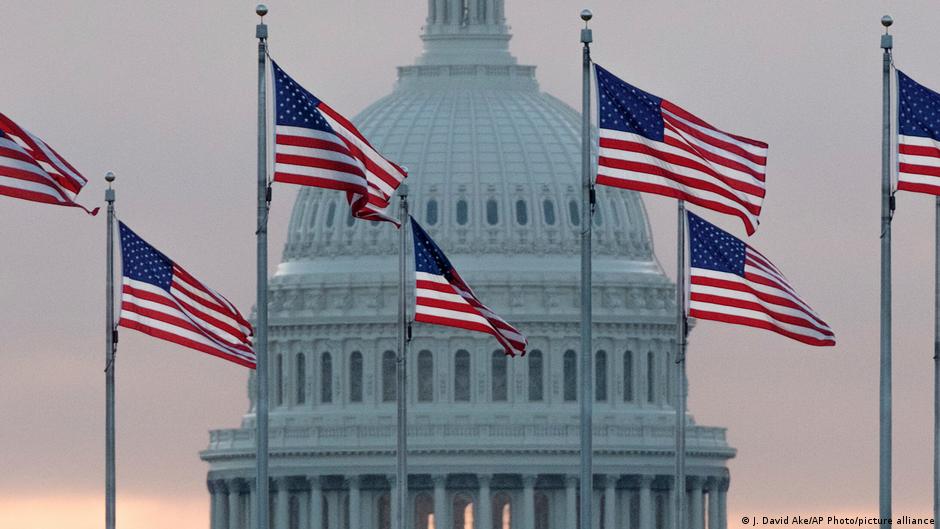
US House Approves New Sanctions on Russia and Aid to Ukraine, Awaiting Senate Approval
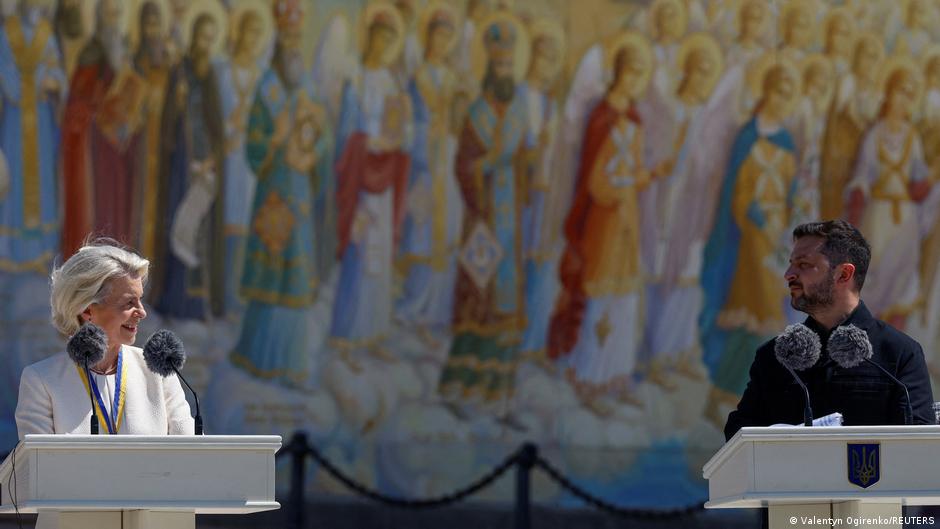
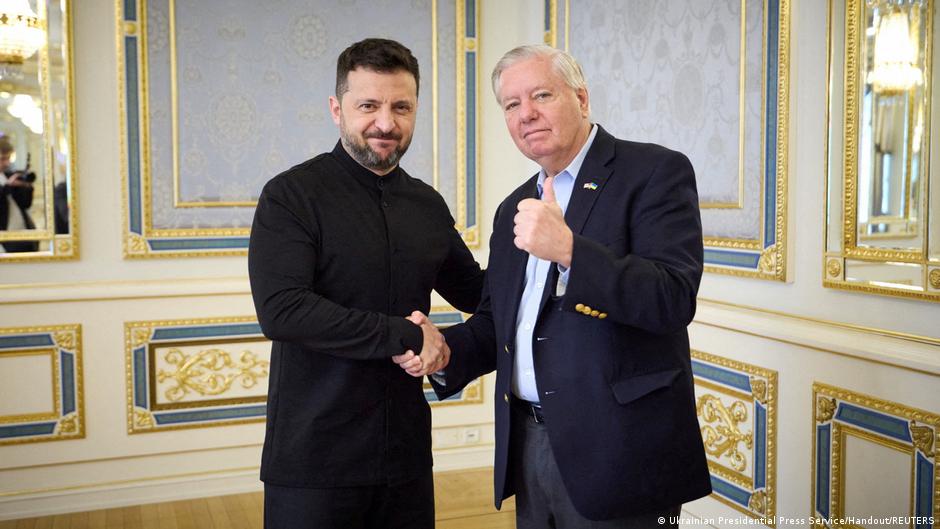
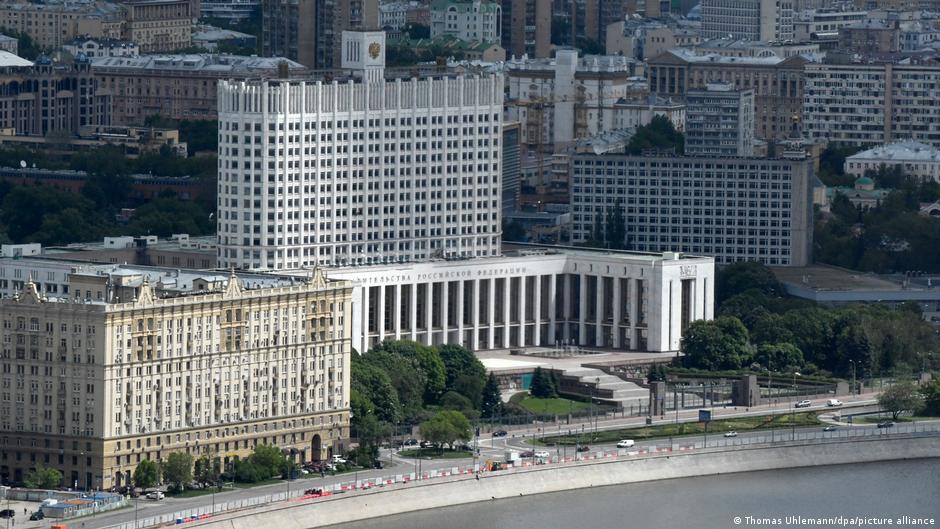
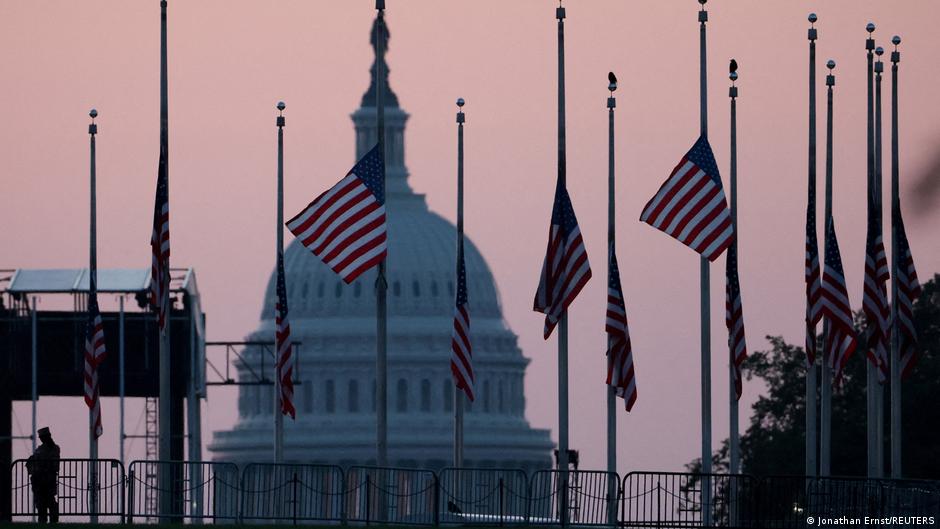
The US House approves expanded sanctions on Russia and aid to Ukraine, with Senate approval pending, prompting market volatility and investor caution.

The US House approves expanded sanctions on Russia and aid to Ukraine, with Senate approval pending, prompting market volatility and investor caution.

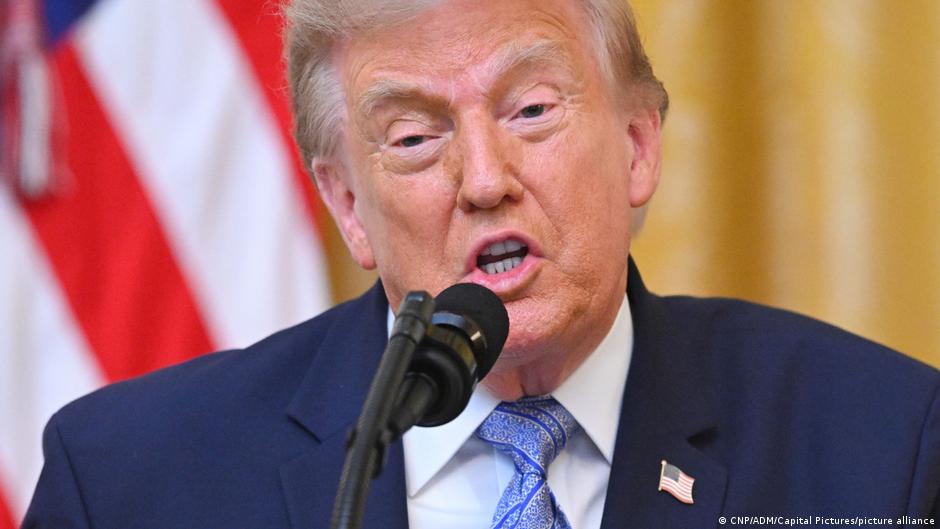
The US House passes a resolution restricting President Trump's military actions against Iran without Congress approval, reflecting political shifts that could impact markets sensitive to Middle East tensions.

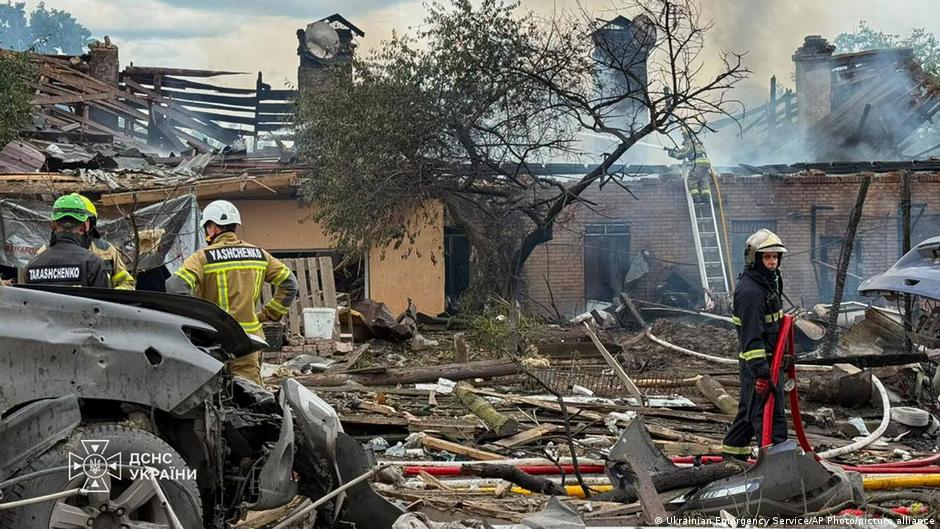
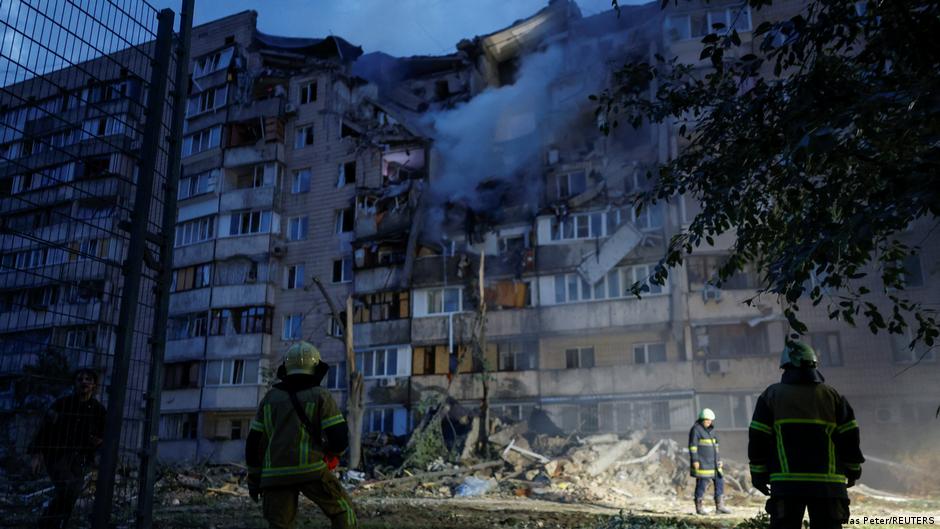
NATO confirms a Russian drone struck a Romanian residential building, heightening regional tensions and causing market volatility in Eastern Europe.
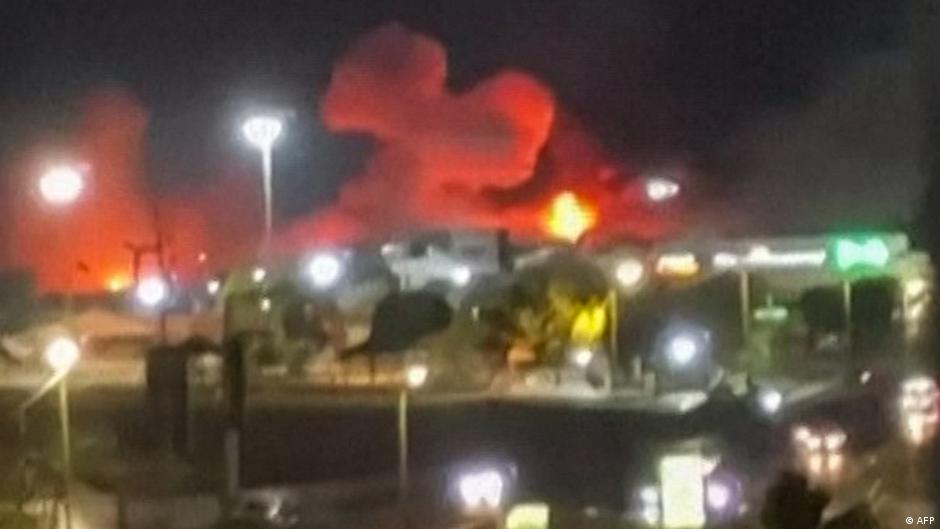
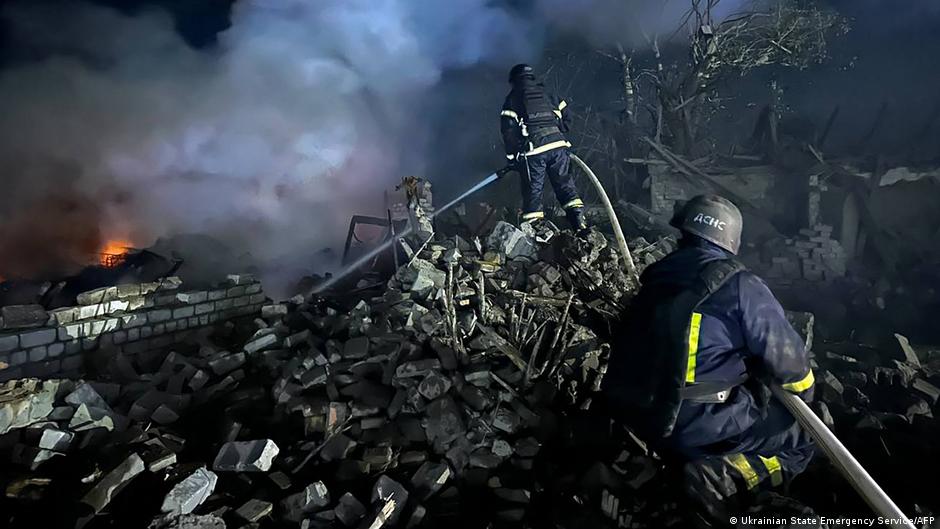
A Russian drone crash in Romania during attacks on Ukraine heightens regional security concerns, impacting Eastern European equities and bond markets.

Former RT France head Ksenia Fedorova joins French conservative TV channel CNews, maintaining pro-Kremlin views despite Russia Today’s European broadcast ban.

NATO detects possible Russian nuclear-capable seabed missiles, raising geopolitical risks that could impact defense equities and global capital markets.

The US reversal to deploy 5,000 additional troops to Poland alters previous Pentagon plans, influencing defense markets and investor outlooks on transatlantic military commitments.

US charges Raul Castro over 1996 killing of pilots amid rising US-Cuba tensions, posing new geopolitical risks for investors in Latin America and emerging markets.

Western condemnation of Israel's treatment of detained activists has sparked diplomatic tensions, raising concerns about market volatility and investor risk in the region.

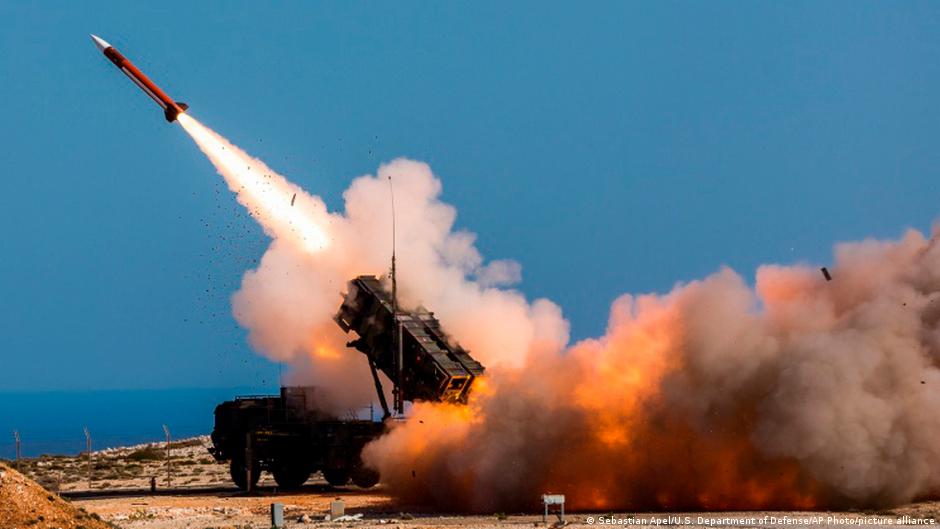
NATO confirms ongoing delivery of US air defense missiles to Ukraine, providing stability to defense markets amid geopolitical tensions impacting equities and bonds.

The US Senate advanced a resolution limiting presidential war powers against Iran, influencing market stability amid ongoing geopolitical tensions.

Serbia hosts its first joint NATO military exercises, signaling evolving security ties that impact regional market dynamics and investor sentiment.

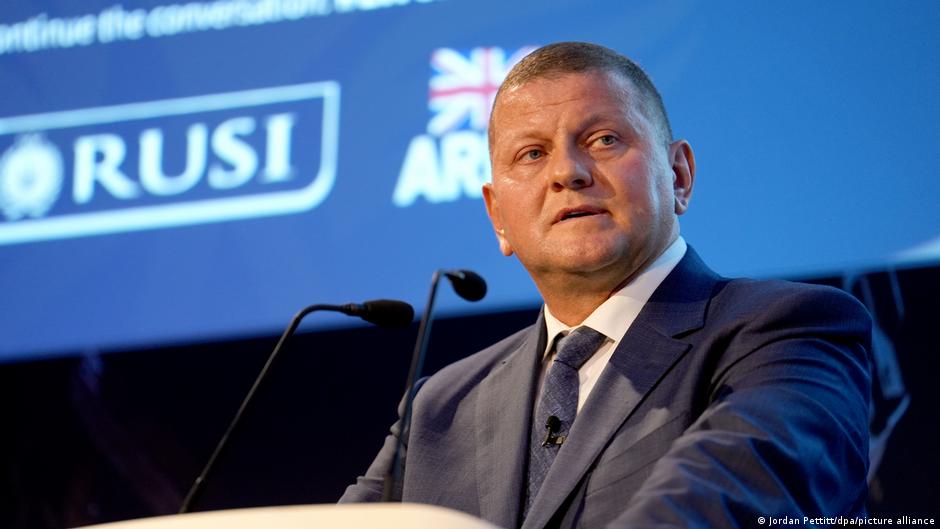
Ukraine offers long-range drones and missiles to NATO, potentially filling capability gaps and impacting defense markets and investor outlooks amid shifting European missile strategies.

Putin's preference for former German Chancellor Schroeder as EU negotiator in Ukraine conflict may influence European markets amid ongoing geopolitical tensions.

US plans to relocate 5,000 troops from Germany to Poland may affect European equities, bonds, and investor sentiment amid shifting geopolitical dynamics.

Germany accelerates its own long-range missile development to counter Russian threats after the US declines to deploy Tomahawk missiles, impacting defense sector markets.

The US plans to reduce its military footprint in Germany by more than 5,000 troops, affecting defense stocks and European bond markets amid rising geopolitical tensions.

US delays arms shipments to European allies amid Iran conflict strain defense supply chains, impacting equities and bonds in the defense sector.

King Charles III's US visit amid UK-US geopolitical tensions prompts cautious investor outlook as capital markets weigh impacts on equities and bonds.

Germany blames Russia for phishing attacks through Signal targeting politicians and officials, raising concerns about cybersecurity risks affecting market confidence.

Turkey is pushing to revive Russia-Ukraine peace talks, a development that could ease geopolitical risks and impact markets worldwide, influencing equities and bonds.

NATO intercepted Russian bombers over the Baltic Sea, heightening geopolitical risks that influenced European equities and bond yields amid rising market volatility.

President Trump rejects NATO's offer to secure the Strait of Hormuz, calling the alliance ineffective, while Europe plans a multinational mission, raising energy market uncertainties.

Germany's Koblenz Bundeswehr Military Museum has restricted access for Uzbek and other Central Asian nationals, citing security regulations affecting cultural tourism and market perceptions.

The U.S. Senate rejected a resolution to limit presidential war powers on Iran, intensifying geopolitical risks and market uncertainty for investors.