North Korean Ballistic Missile Use in Ukraine Escalates Geopolitical Risks for Capital Markets
Russia’s deployment of a North Korean missile in Ukraine raises fresh concerns among investors regarding geopolitical instability and its impact on global markets.
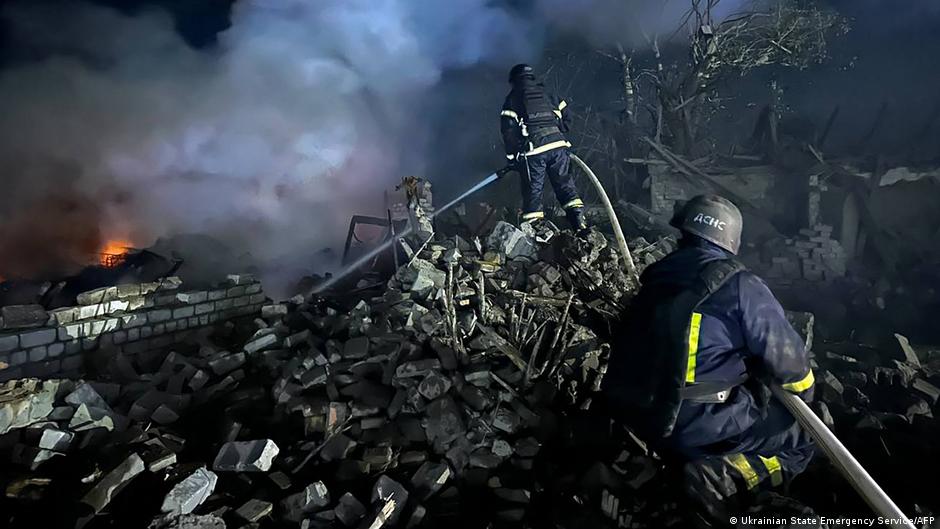
On July 30, Ukrainian President Volodymyr Zelensky revealed that Russian forces used a ballistic missile supplied by North Korea in an attack on the village of Radushne in the Dnipropetrovsk region. This marked the first known use of such weaponry by Russia in the ongoing conflict, killing six civilians, including children.
According to Zelensky, preliminary findings indicate the missile was of North Korean origin, underscoring a deepening military collaboration between Moscow and Pyongyang. The attack targeted a private residence, highlighting a tragic human toll and escalating the conflict’s humanitarian consequences.
Market Implications and Investor Concerns
From a capital markets perspective, the introduction of North Korean-supplied ballistic missiles into the Ukraine conflict amplifies geopolitical risks, which typically weigh heavily on global equities and fixed income markets. Investors often seek safe-haven assets during periods of military escalation and allied cooperation that extend conflict duration.
The missile strike follows announcements earlier in July that Russia aims to augment its military capacity with as many as 30,000 North Korean troops and additional missile launch systems. This intensification may fuel investor anxiety over prolonged conflict and potential disruptions to energy supplies and trade routes, particularly in Europe.
"The collaboration between Russia and North Korea signals a dangerous escalation that threatens regional stability and global market confidence," said an analyst specializing in geopolitical risk.
Equity markets sensitive to geopolitical instability, especially those with exposure to Eastern Europe and energy sectors, may experience increased volatility. Conversely, demand for government bonds and commodities like gold is expected to rise as investors seek risk mitigation.
Moreover, Zelensky’s urgent calls for Western allies to provide enhanced air defense missile systems and to intensify economic pressure on Russia indicate a possible shift toward greater military engagement by NATO countries. This dynamic injects additional uncertainty into capital markets as investors monitor diplomatic responses and sanction developments.
In summary, the use of North Korean ballistic missiles in Ukraine represents a significant escalation that not only exacerbates the humanitarian crisis but also influences investor sentiment globally. Market participants should remain vigilant to developments that could impact risk assessments, asset allocations, and sectoral performance in the weeks ahead.